As we age, every tissue in the body undergoes gradual molecular changes. A long-standing question in aging research is whether these changes follow common patterns across tissues or whether each tissue ages on its own. While DNA-based “epigenetic clocks” can estimate age accurately across different tissues, identifying consistent patterns in gene expression has been much more challenging.
One reason for this difficulty is methodology. Most studies focus on whether genes increase or decrease their expression levels with age. However, genes do not function in isolation. They operate within complex networks, coordinating their activity with many others. Changes in these relationships may be important aspects of the aging process.
To understand this, researchers from the University of São Paulo performed a study titled “A combination of differential expression and network connectivity analyses identifies a common set of RNA splicing and processing genes altered with age across human tissues.”
Full blog - https://aging-us.org/2026/01/a-common-aging-pattern-changes-in-rna-splicing-and-processing-across-human-tissues/
Paper DOI - https://doi.org/10.18632/aging.206347
Corresponding author - Nadja C. de Souza-Pinto - nadja@iq.usp.br
Abstract video - https://www.youtube.com/watch?v=A1slKwaSd6g
Sign up for free Altmetric alerts about this article -
https://aging.altmetric.com/details/email_updates?id=10.18632%2Faging.206347
Subscribe for free publication alerts from Aging - https://www.aging-us.com/subscribe-to-toc-alerts
Keywords - aging, gene expression, co-expression network analysis, RNA processing
To learn more about the journal, please visit https://www.Aging-US.com and connect with us on social media at:
Bluesky - https://bsky.app/profile/aging-us.bsky.social
ResearchGate - https://www.researchgate.net/journal/Aging-1945-4589
Facebook - https://www.facebook.com/AgingUS/
X - https://twitter.com/AgingJrnl
Instagram - https://www.instagram.com/agingjrnl/
YouTube - https://www.youtube.com/@Aging-US
LinkedIn - https://www.linkedin.com/company/aging/
Pinterest - https://www.pinterest.com/AgingUS/
Spotify - https://open.spotify.com/show/1X4HQQgegjReaf6Mozn6Mc
MEDIA@IMPACTJOURNALS.COM
All content for Aging-US is the property of Aging-US Podcast and is served directly from their servers
with no modification, redirects, or rehosting. The podcast is not affiliated with or endorsed by Podjoint in any way.
As we age, every tissue in the body undergoes gradual molecular changes. A long-standing question in aging research is whether these changes follow common patterns across tissues or whether each tissue ages on its own. While DNA-based “epigenetic clocks” can estimate age accurately across different tissues, identifying consistent patterns in gene expression has been much more challenging.
One reason for this difficulty is methodology. Most studies focus on whether genes increase or decrease their expression levels with age. However, genes do not function in isolation. They operate within complex networks, coordinating their activity with many others. Changes in these relationships may be important aspects of the aging process.
To understand this, researchers from the University of São Paulo performed a study titled “A combination of differential expression and network connectivity analyses identifies a common set of RNA splicing and processing genes altered with age across human tissues.”
Full blog - https://aging-us.org/2026/01/a-common-aging-pattern-changes-in-rna-splicing-and-processing-across-human-tissues/
Paper DOI - https://doi.org/10.18632/aging.206347
Corresponding author - Nadja C. de Souza-Pinto - nadja@iq.usp.br
Abstract video - https://www.youtube.com/watch?v=A1slKwaSd6g
Sign up for free Altmetric alerts about this article -
https://aging.altmetric.com/details/email_updates?id=10.18632%2Faging.206347
Subscribe for free publication alerts from Aging - https://www.aging-us.com/subscribe-to-toc-alerts
Keywords - aging, gene expression, co-expression network analysis, RNA processing
To learn more about the journal, please visit https://www.Aging-US.com and connect with us on social media at:
Bluesky - https://bsky.app/profile/aging-us.bsky.social
ResearchGate - https://www.researchgate.net/journal/Aging-1945-4589
Facebook - https://www.facebook.com/AgingUS/
X - https://twitter.com/AgingJrnl
Instagram - https://www.instagram.com/agingjrnl/
YouTube - https://www.youtube.com/@Aging-US
LinkedIn - https://www.linkedin.com/company/aging/
Pinterest - https://www.pinterest.com/AgingUS/
Spotify - https://open.spotify.com/show/1X4HQQgegjReaf6Mozn6Mc
MEDIA@IMPACTJOURNALS.COM
How Growth Hormone Excess Accelerates Liver Aging via Glycation Stress
Aging-US
3 minutes 28 seconds
1 month ago
How Growth Hormone Excess Accelerates Liver Aging via Glycation Stress
BUFFALO, NY — November 18, 2025 — A new #research paper was #published in Volume 17, Issue 10 of Aging-US on October 3, 2025, titled “Growth hormone excess drives liver aging via increased glycation stress.”
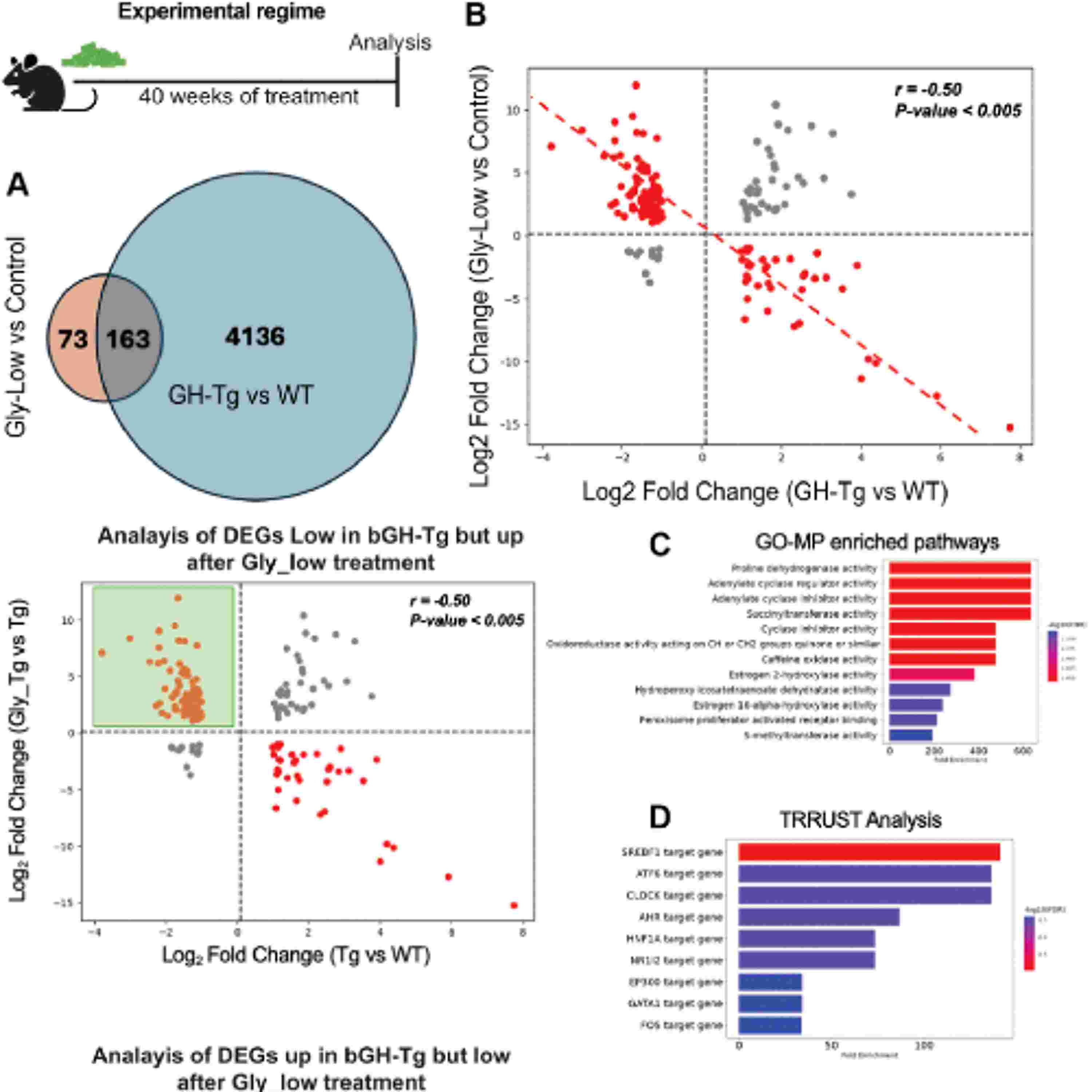
In this study, led by first author Parminder Singh alongside with corresponding authors Pankaj Kapahi from the Buck Institute for Research on Aging and Andrzej Bartke from Southern Illinois University School of Medicine, researchers investigated how elevated growth hormone (GH) levels contribute to liver aging and dysfunction. They found that excess GH disrupts liver metabolism in ways that resemble aging-related liver damage. The study suggests that managing glycation stress may help prevent or treat liver diseases linked to abnormal hormone levels.
Excess GH is known to cause different disorders, but its long-term impact on internal organs like the liver has remained unclear. To address this, researchers used a mouse model engineered to overproduce bovine GH and examined how chronic hormone exposure affects liver function over time.
“Pathological conditions such as acromegaly or pituitary tumors result in elevated circulating GH levels, which have been implicated in a spectrum of metabolic disorders, potentially by regulating liver metabolism.”
The team found that young mice with GH overexpression showed molecular and cellular patterns similar to those in naturally aged livers. In both groups, genes involved in metabolism were suppressed, while those linked to immune and inflammatory responses were activated. On one hand, the metabolic changes were associated with the buildup of advanced glycation end products, harmful compounds formed when sugars attach to proteins or fats without proper regulation. On the other hand, the immune and inflammatory changes reflected a process known as “inflammaging,” a form of chronic, low-grade inflammation commonly associated with aging. By revealing the overlap between hormone-driven and age-related liver dysfunction, the study provides new insight into how GH may accelerate aging processes.
Importantly, the team showed that reducing glycation stress can reverse many of these negative effects. Mice treated with a compound that lowers glycation levels demonstrated improved liver health, reduced insulin resistance, and enhanced physical function. This intervention also corrected several abnormal genetic patterns caused by excess GH. The findings point to a potential therapeutic strategy for liver diseases associated with aging and hormonal imbalances.
Overall, this research identifies glycation and its byproducts as key contributors to liver damage caused by excess GH. It suggests that targeting glycation could offer broad therapeutic benefits, not only for hormone-related conditions but also for supporting liver health during aging.
DOI - https://doi.org/10.18632/aging.206327
Corresponding authors - Andrzej Bartke - abartke@siumed.edu and Pankaj Kapahi - pkapahi@buckinstitute.org
Abstract video - https://www.youtube.com/watch?v=6v8xi5muLwA
Sign up for free Altmetric alerts about this article -
https://aging.altmetric.com/details/email_updates?id=10.18632%2Faging.206327
Subscribe for free publication alerts from Aging - https://www.aging-us.com/subscribe-to-toc-alerts
Keywords - aging, growth hormone, glycation stress, Gly-Low
To learn more about the journal, visit https://www.Aging-US.com and connect with us on social media at:
Facebook - https://www.facebook.com/AgingUS/
X - https://twitter.com/AgingJrnl
Instagram - https://www.instagram.com/agingjrnl/
YouTube - https://www.youtube.com/@Aging-US
LinkedIn - https://www.linkedin.com/company/aging/
Bluesky - https://bsky.app/profile/aging-us.bsky.social
Pinterest - https://www.pinterest.com/AgingUS/
Spotify - https://open.spotify.com/show/1X4HQQgegjReaf6Mozn6Mc
MEDIA@IMPACTJOURNALS.COM
Aging-US
As we age, every tissue in the body undergoes gradual molecular changes. A long-standing question in aging research is whether these changes follow common patterns across tissues or whether each tissue ages on its own. While DNA-based “epigenetic clocks” can estimate age accurately across different tissues, identifying consistent patterns in gene expression has been much more challenging.
One reason for this difficulty is methodology. Most studies focus on whether genes increase or decrease their expression levels with age. However, genes do not function in isolation. They operate within complex networks, coordinating their activity with many others. Changes in these relationships may be important aspects of the aging process.
To understand this, researchers from the University of São Paulo performed a study titled “A combination of differential expression and network connectivity analyses identifies a common set of RNA splicing and processing genes altered with age across human tissues.”
Full blog - https://aging-us.org/2026/01/a-common-aging-pattern-changes-in-rna-splicing-and-processing-across-human-tissues/
Paper DOI - https://doi.org/10.18632/aging.206347
Corresponding author - Nadja C. de Souza-Pinto - nadja@iq.usp.br
Abstract video - https://www.youtube.com/watch?v=A1slKwaSd6g
Sign up for free Altmetric alerts about this article -
https://aging.altmetric.com/details/email_updates?id=10.18632%2Faging.206347
Subscribe for free publication alerts from Aging - https://www.aging-us.com/subscribe-to-toc-alerts
Keywords - aging, gene expression, co-expression network analysis, RNA processing
To learn more about the journal, please visit https://www.Aging-US.com and connect with us on social media at:
Bluesky - https://bsky.app/profile/aging-us.bsky.social
ResearchGate - https://www.researchgate.net/journal/Aging-1945-4589
Facebook - https://www.facebook.com/AgingUS/
X - https://twitter.com/AgingJrnl
Instagram - https://www.instagram.com/agingjrnl/
YouTube - https://www.youtube.com/@Aging-US
LinkedIn - https://www.linkedin.com/company/aging/
Pinterest - https://www.pinterest.com/AgingUS/
Spotify - https://open.spotify.com/show/1X4HQQgegjReaf6Mozn6Mc
MEDIA@IMPACTJOURNALS.COM