All content for Angelicum Thomistic Institute is the property of Angelicum Thomistic Institute and is served directly from their servers
with no modification, redirects, or rehosting. The podcast is not affiliated with or endorsed by Podjoint in any way.
History of the Debates on Divine Action | Dr. Edmund Lazzari by Angelicum Thomistic Institute
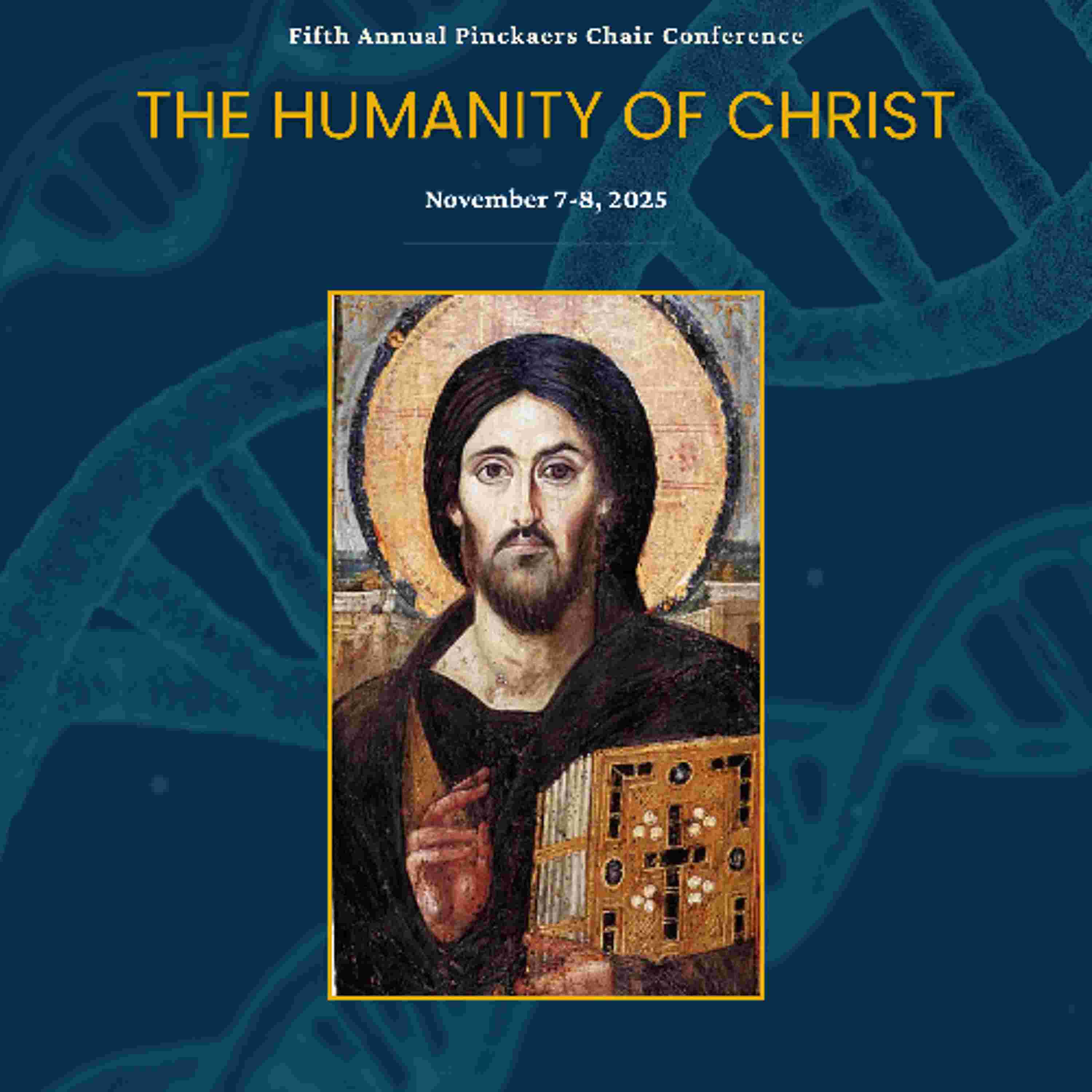
This talk examines the question of whether Jesus Christ possessed the theological virtue of faith and, if not, in what sense he can be called faithful. Drawing upon Scripture, and particularly the theology of St. Thomas Aquinas, it argues that while Christ did not have faith in the proper sense—since faith concerns truths not yet seen—he nevertheless embodied its perfection through the beatific vision granted to him from the first moment of his conception. Aquinas teaches that faith and the beatific vision are mutually exclusive: one either sees God’s essence directly, as in the vision of the blessed, or one believes in what is unseen. Because Christ, as the Incarnate Word, saw the Father immediately, he did not live by faith but by vision. Yet this vision was necessary for his role as the immovable and perfect principle of human salvation, the “author and finisher of faith” (Heb 12:2).
The study further explores the Pauline expression pistis Christou (“faith/faithfulness of Christ”) and argues that even if read as a subjective genitive, the phrase refers not to Christ’s personal act of believing but to his unwavering fidelity to the Father’s salvific will. Through his obedience “unto death, even death on a cross” (Phil 2:8), Christ merited the perfection of faith without sharing its defect of unseeing. Consequently, his beatific knowledge grounds his perfect charity, by which he redeemed humanity. Thus, while Christ did not have faith as a wayfarer does, he was supremely faithful—the exemplar and efficient cause of all faith. His fidelity, flowing from divine vision and perfect love, ensures the faith and salvation of those united to him.
Angelicum Thomistic Institute
History of the Debates on Divine Action | Dr. Edmund Lazzari by Angelicum Thomistic Institute