“Cape Crusader” is taken from Prophets of Da City’s 1997 release Ghetto Code — a long-time fan favourite. On the original, lead rapper Shaheen Ariefdien delivers his iconic introspective style, marked by sharp, distinctive wordplay. This remix introduces a never-before-heard second verse, originally performed during the group’s appearance at the 2015 Cape Town International Jazz Festival.
Prophetic Remixes Vol. 1 is available exclusively on Bandcamp, with the second instalment scheduled for release later this year.
This project serves as a tribute to Prophets of Da City, the South African hip-hop pioneers who rose to prominence in the 1990s. POC were more than a group — they were activists, truth-tellers, and cultural disruptors. At a time when South Africa was suffocating under apartheid oppression, they used music as a weapon against injustice. From censorship battles to exile from their own country, their impact on South African hip hop — and the broader struggle — remains undeniable.
All content for Azuhl is the property of Azuhl and is served directly from their servers
with no modification, redirects, or rehosting. The podcast is not affiliated with or endorsed by Podjoint in any way.
“Cape Crusader” is taken from Prophets of Da City’s 1997 release Ghetto Code — a long-time fan favourite. On the original, lead rapper Shaheen Ariefdien delivers his iconic introspective style, marked by sharp, distinctive wordplay. This remix introduces a never-before-heard second verse, originally performed during the group’s appearance at the 2015 Cape Town International Jazz Festival.
Prophetic Remixes Vol. 1 is available exclusively on Bandcamp, with the second instalment scheduled for release later this year.
This project serves as a tribute to Prophets of Da City, the South African hip-hop pioneers who rose to prominence in the 1990s. POC were more than a group — they were activists, truth-tellers, and cultural disruptors. At a time when South Africa was suffocating under apartheid oppression, they used music as a weapon against injustice. From censorship battles to exile from their own country, their impact on South African hip hop — and the broader struggle — remains undeniable.
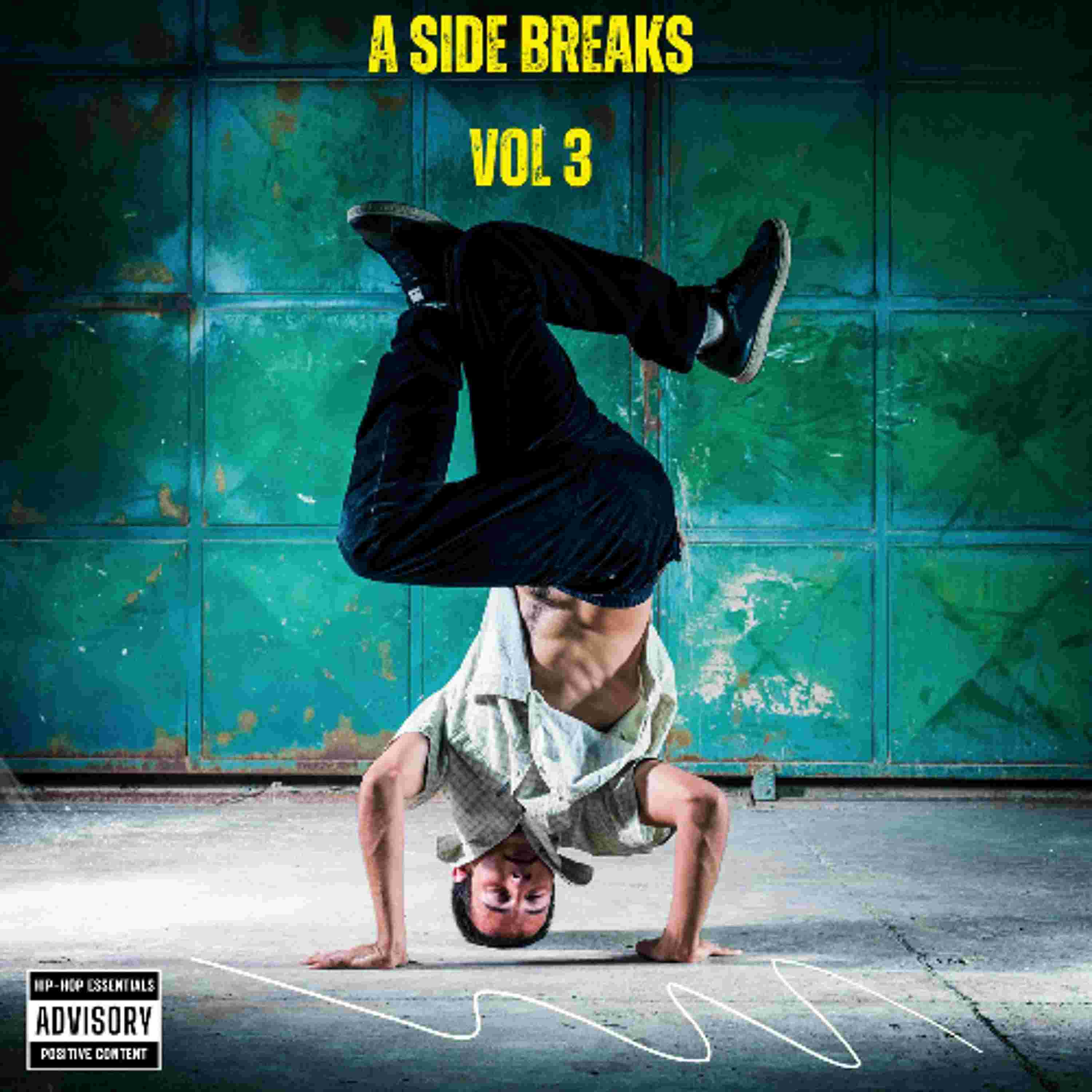
A-Side Breaks Vol. 3 marks another chapter in a series I’ll be dropping on a regular basis — a steady stream of break-heavy selections designed for dancers who live in that space where rhythm meets instinct.
This volume leans into the raw, percussive energy that powers the breakin’ world: those stripped-down drum sections and groove pockets that DJs stretch out to keep the floor alive. These are the moments breakers train to, build on, and lose themselves in — the fuel behind the footwork, the shapes, the creativity, the flow.
For Vol. 3, I went crate-deep again, pulling out joints that shaped different generations of movement culture. It’s a nod to the roots, a salute to the dancers, and a reminder that the spirit of the break is still beating strong.
And since this series is dropping continuously, expect more heat soon — more rhythms, more textures, more reasons to hit the floor.
Back to the raw. Back to the groove. Back to the break.
Azuhl
“Cape Crusader” is taken from Prophets of Da City’s 1997 release Ghetto Code — a long-time fan favourite. On the original, lead rapper Shaheen Ariefdien delivers his iconic introspective style, marked by sharp, distinctive wordplay. This remix introduces a never-before-heard second verse, originally performed during the group’s appearance at the 2015 Cape Town International Jazz Festival.
Prophetic Remixes Vol. 1 is available exclusively on Bandcamp, with the second instalment scheduled for release later this year.
This project serves as a tribute to Prophets of Da City, the South African hip-hop pioneers who rose to prominence in the 1990s. POC were more than a group — they were activists, truth-tellers, and cultural disruptors. At a time when South Africa was suffocating under apartheid oppression, they used music as a weapon against injustice. From censorship battles to exile from their own country, their impact on South African hip hop — and the broader struggle — remains undeniable.