
Summary
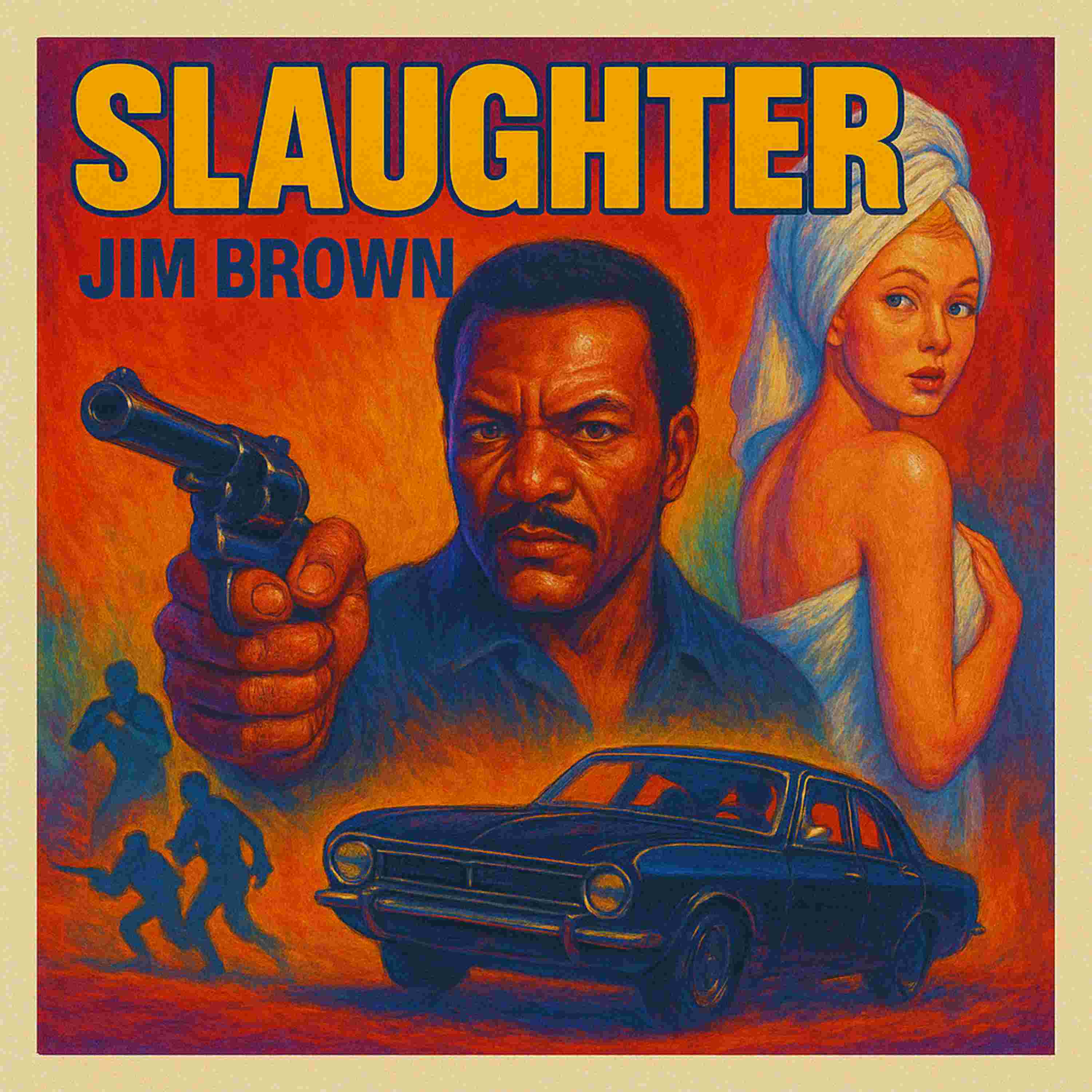
In this episode of the Black Deaf 101 podcast, hosts Nubius Black and Johnny Deth delve into the Blaxploitation film 'Slaughter,' starring Jim Brown. They explore the film's context within the socio-political climate of the 1970s, its themes of racism and violence, and the performances of the cast, particularly Jim Brown and Rip Torn. The discussion highlights the film's cultural impact, the missed opportunity of its soundtrack, and Jim Brown's legacy as both an actor and activist. The hosts provide a comprehensive analysis of the film's characters and the broader implications of its narrative, making connections to contemporary issues in society.
Takeaways
'Slaughter' reflects the socio-political climate of the 1970s.
Jim Brown's character embodies a new kind of black hero.
The film critiques systemic racism and violence.
Rip Torn's performance adds depth to the portrayal of racism.
The film's soundtrack is a missed opportunity for a classic release.
Jim Brown's activism influenced his roles and public perception.
The film's portrayal of women reflects the era's attitudes.
'Slaughter' is a confident entry in the Blaxploitation genre.
The film's pacing and direction are effective for its budget.
The legacy of Jim Brown extends beyond film into activism.
Keywords
Blaxploitation, Slaughter, Jim Brown, racism, film analysis, 1970s cinema, violence, character study, cultural impact, movie review