"Sometimes even a cup of tea can fail"
In a hyper-connected world, Samantha Cheng's durational performances examine failure as a generative space. In the final episode of Comic Release Joe Jowitt talks to Samantha about time, labour and the body.
00:00: Introduction to Samantha's practice by Joe Jowitt
1.50: Joe - "There seems to be a real tension between comedy and exhaustion in your practice. Could you start by describing what draws you to humour as a material or method?" Samantha describes her masters research on failure.
3.30: Humour as a personal practice. Samantha asks Joe "What do you find funny? Where does your humour come from?"
5.00: On making the video Happy Ever After (2021). The classic film trope of a happy ending. The repetitive gesture in Happy Ever After.
7.10: Joe compares the work to classic cinema devices "the fall, the loop, the failed gag". He compares the work to Bas Jan Ader and the slapstick tradition of Buster Keaton
8:13: The 'failure of narrative' in the work. Samantha describes watching it with an audience. Joe on the Sisyphean metaphor of human striving but never getting there.
9:20: Failure as a response to the problem of a highly optimised society. On failure, paranoia and contemporary digital surveillance and data harvesting.
12:00: Humour and abstract art. Inefficiency in Samantha's practice. Samantha - "It's not the really big failures that I'm interested in... smaller ones have more of a disruptive agency".
13:00: On the work Take a 10 (2022), work and labour. Time as money. "...making that work allowed me to kind of view what 10 minutes actually really felt like. 'Cause in a break, 10 minutes goes by so quickly doing that video felt like doing it for hours".
15:30: How does the absurd fit in your practice? Being "in on the joke".
16:30 Western academic descriptions of humour versus origins of Samantha's own humour. Family.
17:10: How important is it to perform the work yourself?
18:10: Social media as influence
19:30: On work Steep dreams (2024).
21:00: Humour found in everyday life. How do you write about the big subjects? "You can start by writing about the small ones and then maybe we'll get there".
22:00: On Passengers (2023) public event, produced for Chez Derriere.
23:30: Mass/Mess project at Window Gallery.
24:24: On spontaneity and not over-working humour. Working in a space where humour is not welcome.
26:00: What does it offer the viewer to ask questions about boundaries?
26:43: Anti-ICE protests in USA using costumes. "Autocrats hate humour".
27:30: Is humour a way to stay present in the world? Weaponisation of humour. Individual sense of what's funny versus other people's interpretation.
28:58: END
All content for CIRCUIT CAST is the property of www.circuit.org.nz and is served directly from their servers
with no modification, redirects, or rehosting. The podcast is not affiliated with or endorsed by Podjoint in any way.
"Sometimes even a cup of tea can fail"
In a hyper-connected world, Samantha Cheng's durational performances examine failure as a generative space. In the final episode of Comic Release Joe Jowitt talks to Samantha about time, labour and the body.
00:00: Introduction to Samantha's practice by Joe Jowitt
1.50: Joe - "There seems to be a real tension between comedy and exhaustion in your practice. Could you start by describing what draws you to humour as a material or method?" Samantha describes her masters research on failure.
3.30: Humour as a personal practice. Samantha asks Joe "What do you find funny? Where does your humour come from?"
5.00: On making the video Happy Ever After (2021). The classic film trope of a happy ending. The repetitive gesture in Happy Ever After.
7.10: Joe compares the work to classic cinema devices "the fall, the loop, the failed gag". He compares the work to Bas Jan Ader and the slapstick tradition of Buster Keaton
8:13: The 'failure of narrative' in the work. Samantha describes watching it with an audience. Joe on the Sisyphean metaphor of human striving but never getting there.
9:20: Failure as a response to the problem of a highly optimised society. On failure, paranoia and contemporary digital surveillance and data harvesting.
12:00: Humour and abstract art. Inefficiency in Samantha's practice. Samantha - "It's not the really big failures that I'm interested in... smaller ones have more of a disruptive agency".
13:00: On the work Take a 10 (2022), work and labour. Time as money. "...making that work allowed me to kind of view what 10 minutes actually really felt like. 'Cause in a break, 10 minutes goes by so quickly doing that video felt like doing it for hours".
15:30: How does the absurd fit in your practice? Being "in on the joke".
16:30 Western academic descriptions of humour versus origins of Samantha's own humour. Family.
17:10: How important is it to perform the work yourself?
18:10: Social media as influence
19:30: On work Steep dreams (2024).
21:00: Humour found in everyday life. How do you write about the big subjects? "You can start by writing about the small ones and then maybe we'll get there".
22:00: On Passengers (2023) public event, produced for Chez Derriere.
23:30: Mass/Mess project at Window Gallery.
24:24: On spontaneity and not over-working humour. Working in a space where humour is not welcome.
26:00: What does it offer the viewer to ask questions about boundaries?
26:43: Anti-ICE protests in USA using costumes. "Autocrats hate humour".
27:30: Is humour a way to stay present in the world? Weaponisation of humour. Individual sense of what's funny versus other people's interpretation.
28:58: END
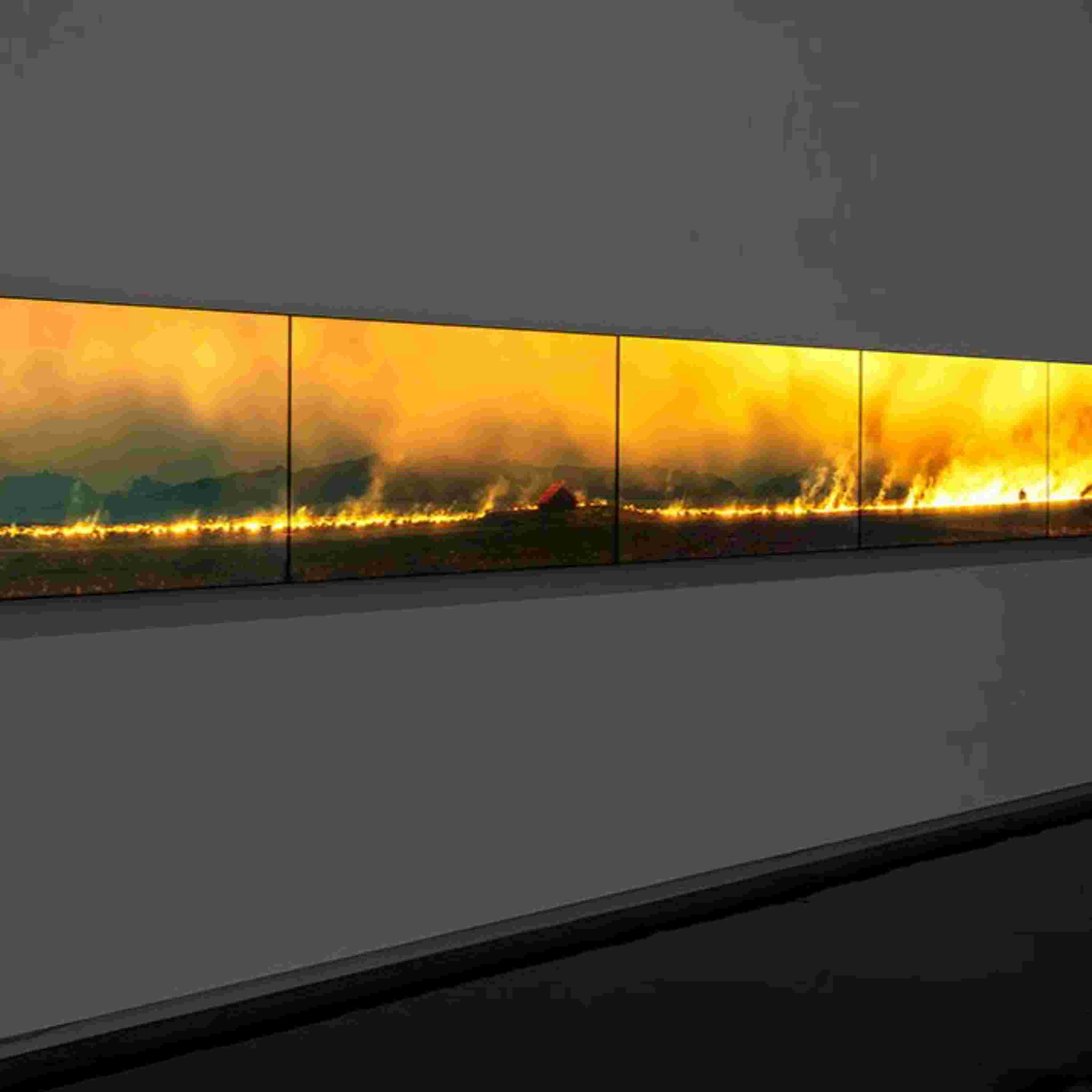
How do moving image artists work with visual effects? In this follow up podcast to CIRCUIT Cast 123: Brett Graham, interviewer Kathryn Graham speaks to Sam Tozer from LOT23. They discuss Sam's work on Whangamārino, a six channel video by Brett included as part of his installation The Wastelands at Auckland Art Gallery Toi o Tāmaki. Sam discusses the process of working with Brett, the digital challenges of adding visual effects to documentary footage and working through ‘impossible lenses’.
List of topics:
0:20 How did you first get to know Brett? Sam discusses making one of Nat Tozer’s works (Erotic Geologies (2024)) and forging a mutual connection with Brett via Gow Langsford gallery, and the inclusion of a Fred Graham sculpture in the video.
2.30: Sam describes the original documentary footage which Whangamārino is based on.
3.25: The unusual size of the six screen video installation - “11 times wider than it is high…immediately really exciting”.
4.00: What was the process of choosing not to use the original footage?
4:30: Sam discusses ‘impossible lenses’, and the difference between showing The Wastelands in Venice in 2024 versus the 2025 Auckland Art Gallery installation which features the video work Whangamārino.
6:00: How LOT23 work with artists - technologically and learning about the artists' kaupapa, looking at previous works, examining narrative and aesthetic threads in existing works - “so we’re part of a continuum”
7 :00: The technical challenges of making a work “12 times wider than it’s high” at a resolution of 11,500 pixels wide
8:25: Brief discussion of unusual screen sizes in projects with Lisa Reihana and Nat Tozer
10:00: More discussion of working at large scale, Kathryn makes anology of working on a mural and the impact of scale on the viewer
12:30 Sam discusses beginning with grass, rock and trees as "touchpoints for a scale reference” Different lens sizes with a virtual camera. The process of creating natural environments. Using NASA Lidar data, using images of the actual sites in Brett’s video.
15:00 Working with Brett - suggesting inclusion of other details, thinking about depth of field “you get to play God with it…to create something larger than life…that is hyper real”.
18:00 “There’s all sorts of Easter eggs of meaning…” Discussion of Brett’s personal references to whenua in the work.
19:30 Ends
CIRCUIT CAST
"Sometimes even a cup of tea can fail"
In a hyper-connected world, Samantha Cheng's durational performances examine failure as a generative space. In the final episode of Comic Release Joe Jowitt talks to Samantha about time, labour and the body.
00:00: Introduction to Samantha's practice by Joe Jowitt
1.50: Joe - "There seems to be a real tension between comedy and exhaustion in your practice. Could you start by describing what draws you to humour as a material or method?" Samantha describes her masters research on failure.
3.30: Humour as a personal practice. Samantha asks Joe "What do you find funny? Where does your humour come from?"
5.00: On making the video Happy Ever After (2021). The classic film trope of a happy ending. The repetitive gesture in Happy Ever After.
7.10: Joe compares the work to classic cinema devices "the fall, the loop, the failed gag". He compares the work to Bas Jan Ader and the slapstick tradition of Buster Keaton
8:13: The 'failure of narrative' in the work. Samantha describes watching it with an audience. Joe on the Sisyphean metaphor of human striving but never getting there.
9:20: Failure as a response to the problem of a highly optimised society. On failure, paranoia and contemporary digital surveillance and data harvesting.
12:00: Humour and abstract art. Inefficiency in Samantha's practice. Samantha - "It's not the really big failures that I'm interested in... smaller ones have more of a disruptive agency".
13:00: On the work Take a 10 (2022), work and labour. Time as money. "...making that work allowed me to kind of view what 10 minutes actually really felt like. 'Cause in a break, 10 minutes goes by so quickly doing that video felt like doing it for hours".
15:30: How does the absurd fit in your practice? Being "in on the joke".
16:30 Western academic descriptions of humour versus origins of Samantha's own humour. Family.
17:10: How important is it to perform the work yourself?
18:10: Social media as influence
19:30: On work Steep dreams (2024).
21:00: Humour found in everyday life. How do you write about the big subjects? "You can start by writing about the small ones and then maybe we'll get there".
22:00: On Passengers (2023) public event, produced for Chez Derriere.
23:30: Mass/Mess project at Window Gallery.
24:24: On spontaneity and not over-working humour. Working in a space where humour is not welcome.
26:00: What does it offer the viewer to ask questions about boundaries?
26:43: Anti-ICE protests in USA using costumes. "Autocrats hate humour".
27:30: Is humour a way to stay present in the world? Weaponisation of humour. Individual sense of what's funny versus other people's interpretation.
28:58: END