Why do grandparents relate so differently to their grandchildren? Modern neuroscience, Chassidic thought, and Rabbi Jonathan Sacks converge on an ancient insight. In Parshat Vayechi, Yaakov blesses his grandchildren before his sons, teaching that Jewish continuity is not secured by survival alone, but by transmitting meaning, identity, and purpose across generations.
All content for Deeper Look At The Parsha is the property of Rabbi Pini Dunner and is served directly from their servers
with no modification, redirects, or rehosting. The podcast is not affiliated with or endorsed by Podjoint in any way.
Why do grandparents relate so differently to their grandchildren? Modern neuroscience, Chassidic thought, and Rabbi Jonathan Sacks converge on an ancient insight. In Parshat Vayechi, Yaakov blesses his grandchildren before his sons, teaching that Jewish continuity is not secured by survival alone, but by transmitting meaning, identity, and purpose across generations.
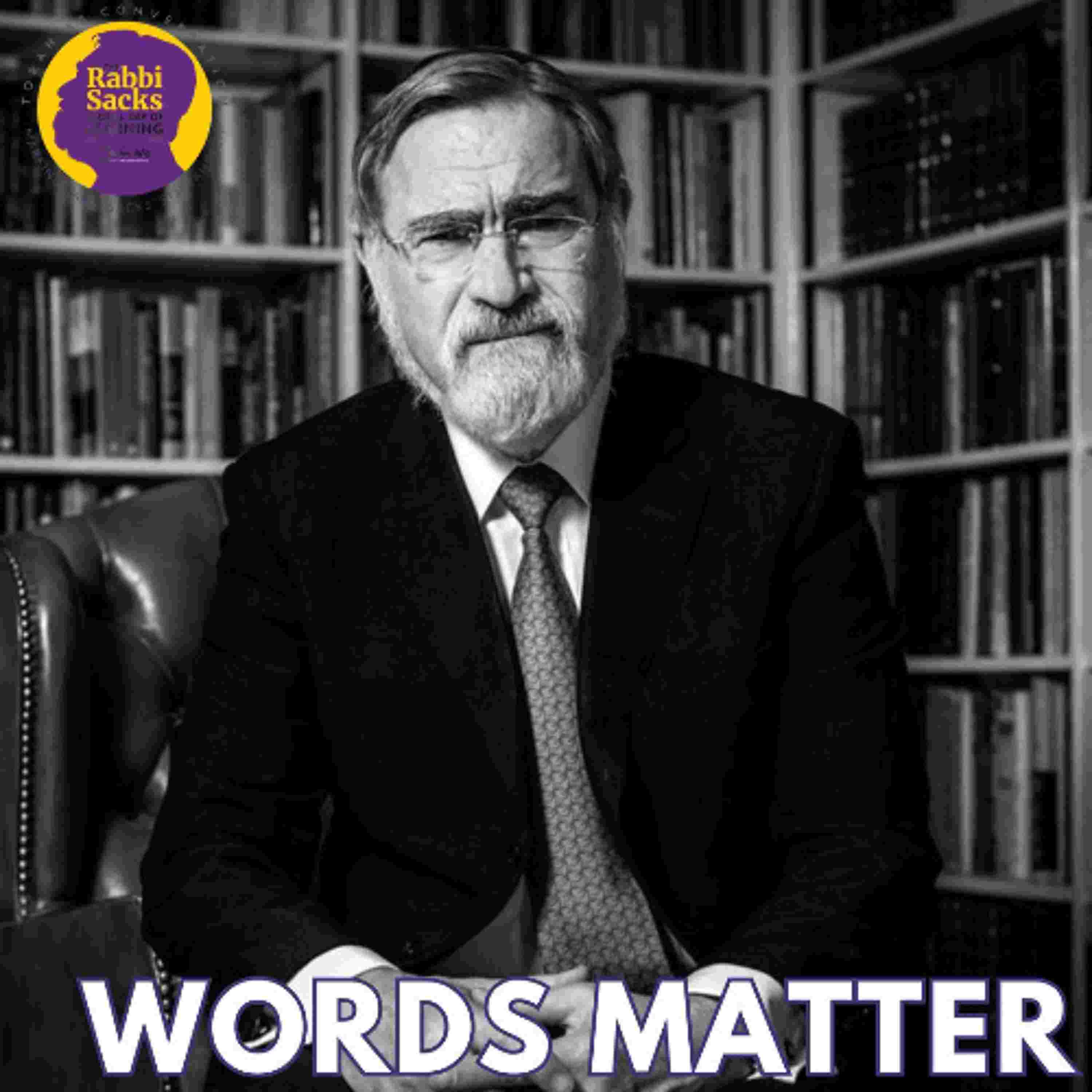
Rabbi Dunner marks the fifth yahrzeit of Rabbi Lord Jonathan Sacks by reflecting on one of Rabbi Sacks’ most moving teachings — that creation, covenant, and love all depend on words. Through the story of Isaac and Rebecca in Chayei Sarah and Toldot, he explores how even holy silence can wound, and why communication — honest, vulnerable speech — is sacred.
Deeper Look At The Parsha
Why do grandparents relate so differently to their grandchildren? Modern neuroscience, Chassidic thought, and Rabbi Jonathan Sacks converge on an ancient insight. In Parshat Vayechi, Yaakov blesses his grandchildren before his sons, teaching that Jewish continuity is not secured by survival alone, but by transmitting meaning, identity, and purpose across generations.