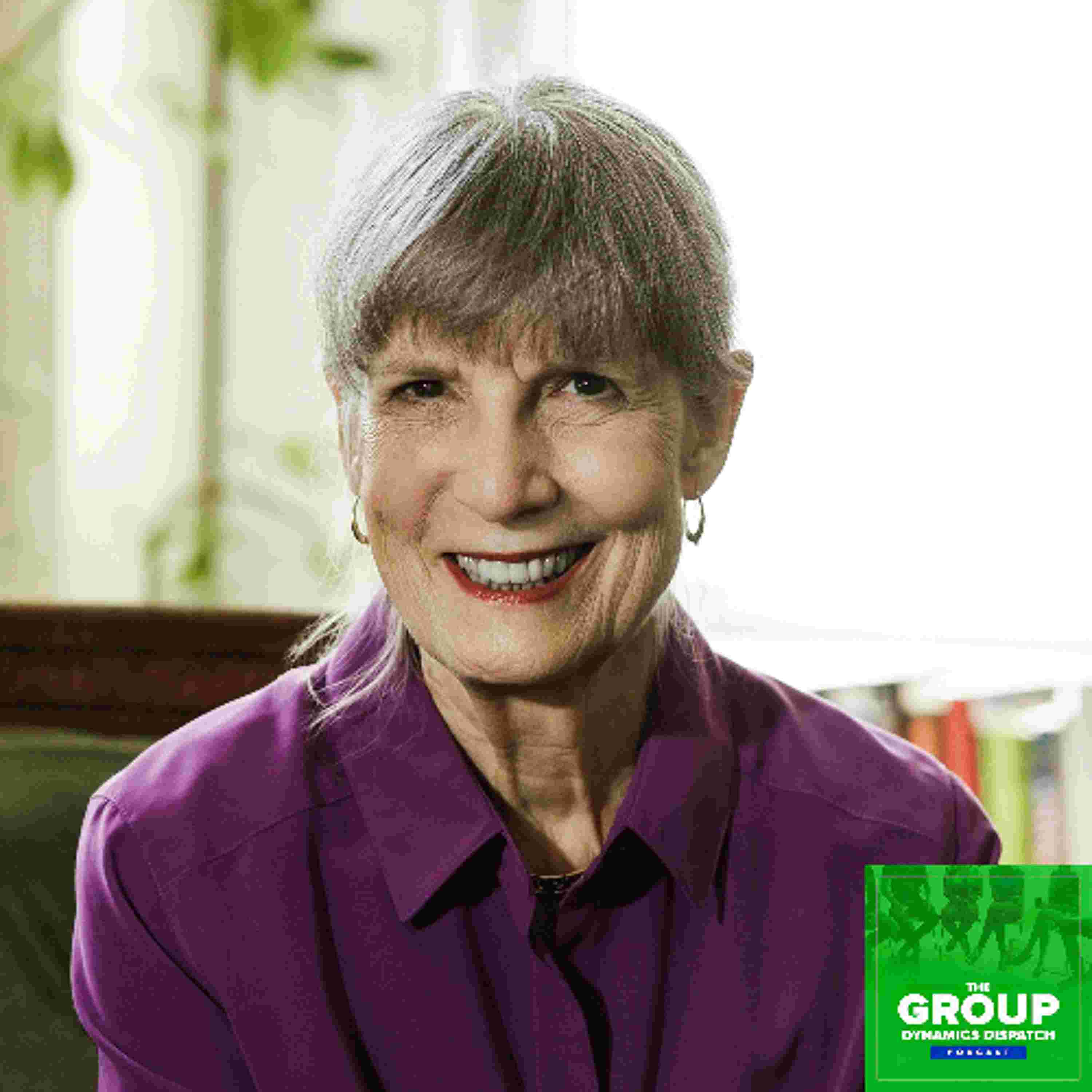
In this episode, Angelo talks with Dr. Carlos Canales about his transformative journey from Peru to becoming a pioneering voice in somatic group therapy. Dr. Canales shares how his experience of separation and cultural displacement in early life shaped his innovative integration of Somatic Experiencing with group psychotherapy. Their conversation explores what it means to be truly grounded, how our bodies hold both individual and collective trauma, and why attending to physiological responses deepens rather than diminishes group intensity. Dr. Canales offers powerful insights about cultural difference in groups and demonstrates how recognizing and regulating the body creates space for genuine connection—wisdom born from finding belonging between worlds. Throughout, he makes a compelling case for why attachment theory must evolve to address how our bodies carry culture, while sharing his vision for a future of group therapy that integrates generosity and play alongside rigorous clinical work.
All content for Group Dynamics Dispatch is the property of Group Dynamics Dispatch and is served directly from their servers
with no modification, redirects, or rehosting. The podcast is not affiliated with or endorsed by Podjoint in any way.
In this episode, Angelo talks with Dr. Carlos Canales about his transformative journey from Peru to becoming a pioneering voice in somatic group therapy. Dr. Canales shares how his experience of separation and cultural displacement in early life shaped his innovative integration of Somatic Experiencing with group psychotherapy. Their conversation explores what it means to be truly grounded, how our bodies hold both individual and collective trauma, and why attending to physiological responses deepens rather than diminishes group intensity. Dr. Canales offers powerful insights about cultural difference in groups and demonstrates how recognizing and regulating the body creates space for genuine connection—wisdom born from finding belonging between worlds. Throughout, he makes a compelling case for why attachment theory must evolve to address how our bodies carry culture, while sharing his vision for a future of group therapy that integrates generosity and play alongside rigorous clinical work.
In this episode, Angelo talks with Dr. Nancy McWilliams about her new book "Psychoanalytic Supervision" (2022). Drawing from over 40 years of leading supervision groups, Dr. McWilliams shares her revolutionary approach to tracking therapeutic progress through ten "psychological vital signs"—a hopeful reframe that asks not just "Are they less depressed?" but "Are they more alive? More capable of love, work, and play?" Their rich conversation explores what makes group supervision uniquely powerful, how parallel process operates across multiple therapeutic relationships, and the art of creating safety where supervisees can present their most challenging cases. They also discuss the development of an "internal supervisor" and what it means to shift from symptom-focused thinking to tracking deeper capacities for human flourishing. Finally, Dr. McWilliams reflects on nearly five decades practicing psychotherapy and shares what gives her the most hope about the future of therapeutic work.
Links:
"Psychoanalytic Supervision" (2022) https://tinyurl.com/43tnbf9b
Group Dynamics Dispatch
In this episode, Angelo talks with Dr. Carlos Canales about his transformative journey from Peru to becoming a pioneering voice in somatic group therapy. Dr. Canales shares how his experience of separation and cultural displacement in early life shaped his innovative integration of Somatic Experiencing with group psychotherapy. Their conversation explores what it means to be truly grounded, how our bodies hold both individual and collective trauma, and why attending to physiological responses deepens rather than diminishes group intensity. Dr. Canales offers powerful insights about cultural difference in groups and demonstrates how recognizing and regulating the body creates space for genuine connection—wisdom born from finding belonging between worlds. Throughout, he makes a compelling case for why attachment theory must evolve to address how our bodies carry culture, while sharing his vision for a future of group therapy that integrates generosity and play alongside rigorous clinical work.