This week we're joined by Hannah Snyder (MTS 1). We discuss the sense of imposter syndrome she felt within her own religious community, the complications and pressures she felt as a religious community leader, and about the sense of fulfillment she eventually found as a participating member of religious community life, and more!
All content for Harvard Divinity School is the property of Harvard Divinity School and is served directly from their servers
with no modification, redirects, or rehosting. The podcast is not affiliated with or endorsed by Podjoint in any way.
This week we're joined by Hannah Snyder (MTS 1). We discuss the sense of imposter syndrome she felt within her own religious community, the complications and pressures she felt as a religious community leader, and about the sense of fulfillment she eventually found as a participating member of religious community life, and more!
Empire and Epistemicide: Historical Perspectives on the Rhetoric of Peace and its Erasures
Harvard Divinity School
58 minutes 29 seconds
10 months ago
Empire and Epistemicide: Historical Perspectives on the Rhetoric of Peace and its Erasures
When is peace not peace? When does pluralism only seem like pluralism from the perspective of the people in power?
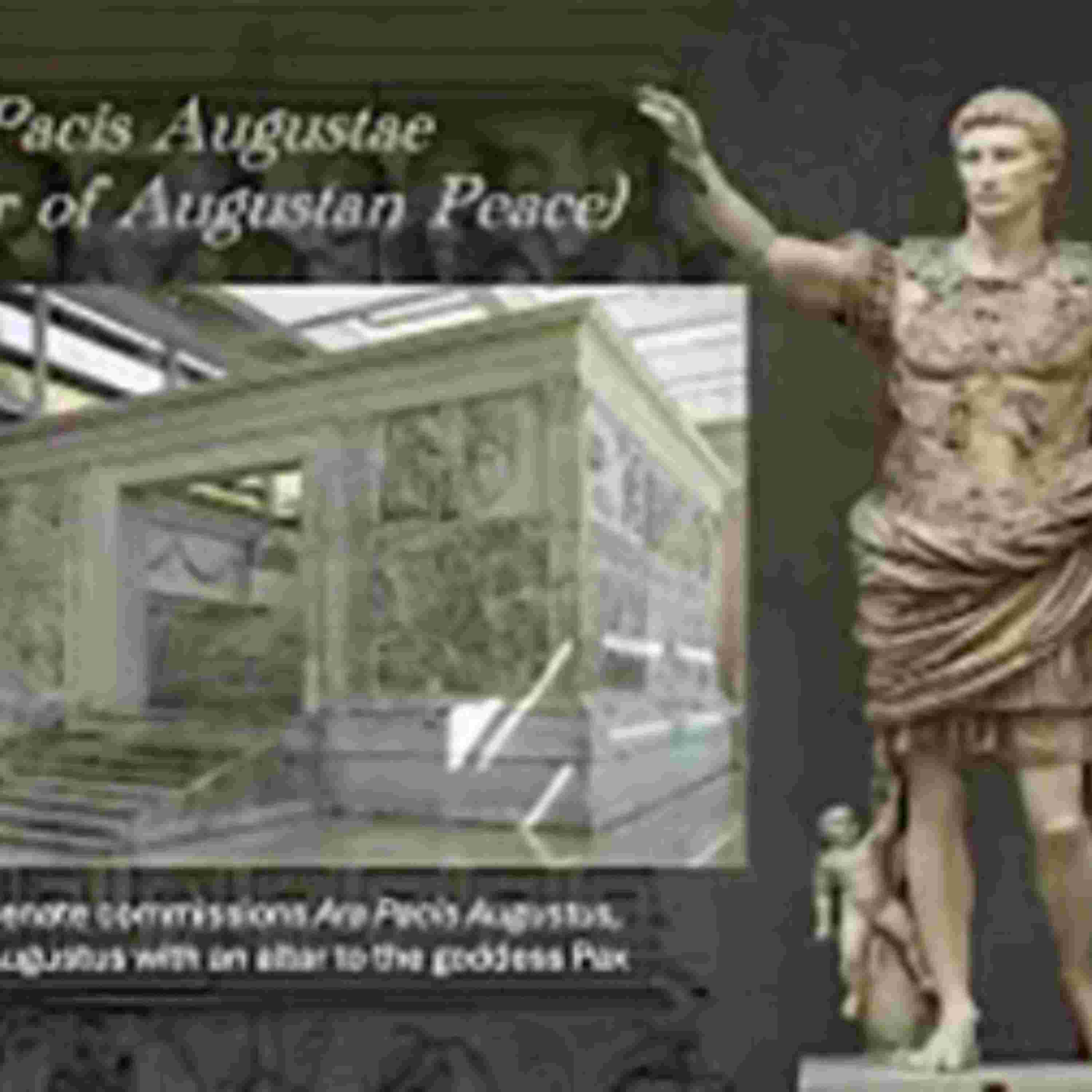
Christianity famously took form during the Pax Romana—an era of celebrated stability in the Roman empire—even as its message about the dawn of the messianic age and the coming of the kingdom of God resonated among those who saw the same age, instead, as a time of political oppression, cosmic upheaval, and eschatological unraveling. Likewise, to the degree that the Roman empire can be characterized by terms like ethnic “diversity” and religious “tolerance,” it was in a manner marked by massive erasures—both of knowledge and ways of knowing, pertaining to whole peoples. Arguably, a parallel dynamic marks Christian approaches to Jews and so-called “heretics” and “pagans,” with consequences for memory, forgetting, and archival amnesias especially with the empire’s Christianization—and with rippling effects that continue to shape our present.
In this session of "Religion and Just Peace | A Series of Public Online Conversations," Annette Yoshiko Reed, Krister Stendahl Professor of Divinity and Professor of New Testament and Early Christianity, reflected upon the perennial questions above using examples from these ancient religions and empires.
This is the second event of a five-part series of online public conversations with members of the HDS faculty to explore what an expansive understanding of religion can provide to the work of just peacebuilding.
This event took place on February 3, 2025.
Full transcript: https://www.hds.harvard.edu/news/2025/02/03/video-empire-and-epistemicide-historical-perspectives-rhetoric-peace-and-its-erasures
Harvard Divinity School
This week we're joined by Hannah Snyder (MTS 1). We discuss the sense of imposter syndrome she felt within her own religious community, the complications and pressures she felt as a religious community leader, and about the sense of fulfillment she eventually found as a participating member of religious community life, and more!