Home
Categories
EXPLORE
True Crime
Comedy
Sports
Society & Culture
Business
News
History
About Us
Contact Us
Copyright
© 2024 PodJoint
00:00 / 00:00
Sign in

or

Don't have an account?
Sign up
Forgot password
https://is1-ssl.mzstatic.com/image/thumb/Podcasts221/v4/17/c1/45/17c14575-7cfe-f09f-d091-64b7fbdb0356/mza_16927651626535745200.jpg/600x600bb.jpg
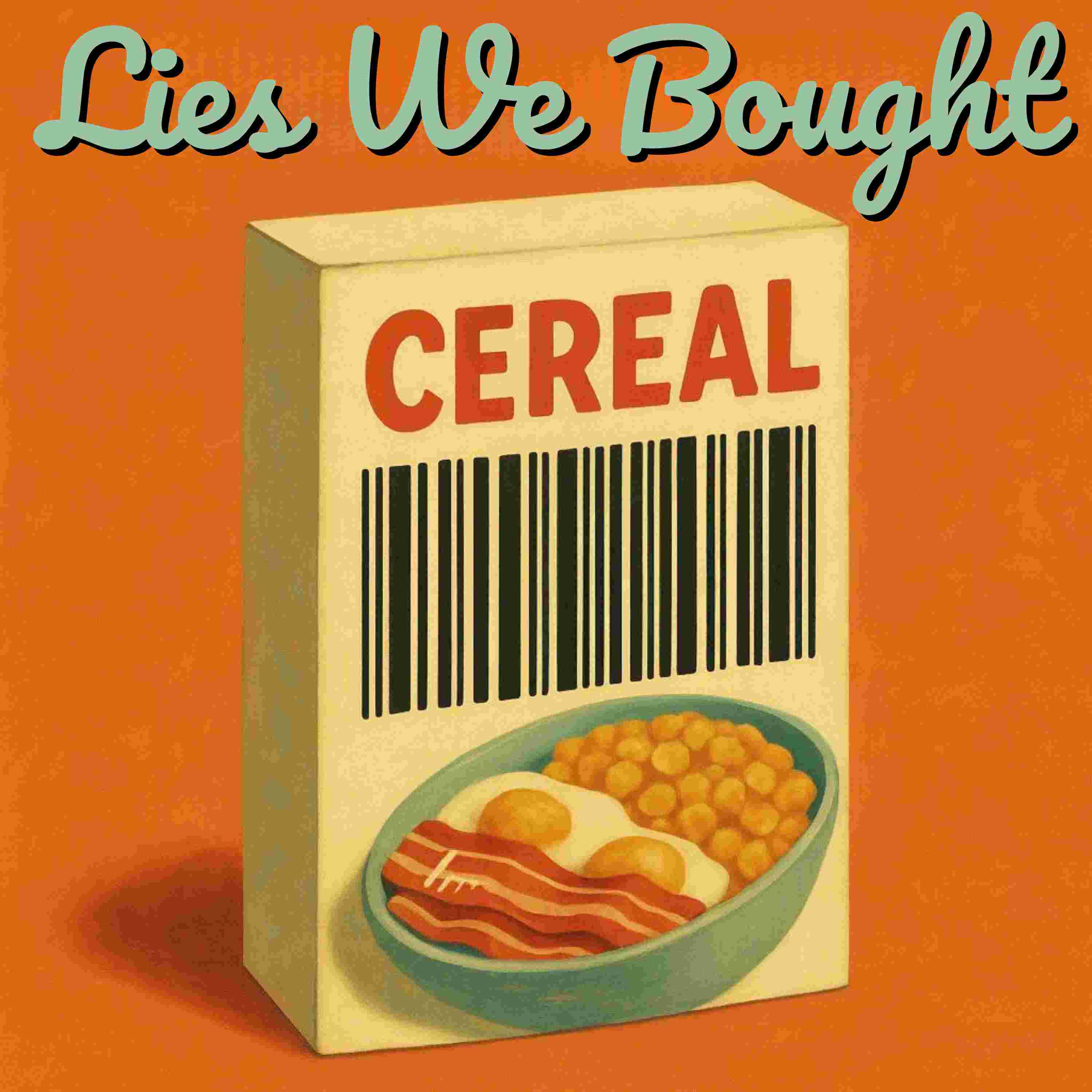
Lies We Bought
Emily Rask
3 episodes
3 days ago
Lies We Bought is a marketing podcast with receipts. We unpack the slogans, myths, and shiny cultural truths we were sold. From “breakfast is the most important meal” to “clean beauty,” each episode peels back the glossy packaging. Hosted by Emily Rask, a marketer who knows the tricks because she used to build them, the show blends consumer psychology, vintage charm, and a wink of 1950s humor. It reached the Top 10 on Apple’s Marketing charts within two weeks of launching its teaser.
Show more...
Marketing
Business
RSS
All content for Lies We Bought is the property of Emily Rask and is served directly from their servers with no modification, redirects, or rehosting. The podcast is not affiliated with or endorsed by Podjoint in any way.
Lies We Bought is a marketing podcast with receipts. We unpack the slogans, myths, and shiny cultural truths we were sold. From “breakfast is the most important meal” to “clean beauty,” each episode peels back the glossy packaging. Hosted by Emily Rask, a marketer who knows the tricks because she used to build them, the show blends consumer psychology, vintage charm, and a wink of 1950s humor. It reached the Top 10 on Apple’s Marketing charts within two weeks of launching its teaser.
Show more...
Marketing
Business
https://d3t3ozftmdmh3i.cloudfront.net/staging/podcast_uploaded_episode/44582341/44582341-1762384095720-6601132aab9e9.jpg
Marketing Made Me Eat This: The Story of How Breakfast Became a Billion-Dollar Belief
Lies We Bought
18 minutes 50 seconds
3 weeks ago
Marketing Made Me Eat This: The Story of How Breakfast Became a Billion-Dollar Belief

Have you ever wondered how breakfast became a moral obligation, something you were taught you should eat to be a good and healthy person? This episode explores how cereal companies, early wellness movements, and strategic public relations turned breakfast into a cultural belief worth billions.

This is the real story behind why so many of us grew up hearing that breakfast is the most important meal of the day. The idea did not begin with science or nutrition. It began with marketing.

We start in the late 1800s at Dr. John Harvey Kellogg’s sanitarium, where food was treated as a path to purity, discipline, and moral control. From there, we follow the rise of cereal, the shift to sugary convenience foods, and the emotional advertising that linked breakfast to identity, family, and success.

We also look at Edward Bernays, the public relations strategist who used psychology and manufactured authority to sell bacon and eggs to America. His work changed how we trust experts and how we decide what is “healthy” or “correct.”

The playbook continued into the modern wellness era. Influencers, product claims, curated morning routines, and aesthetic meal prep follow the same behavioral cues that once came from cereal ads. Different tools, same emotional triggers.

This episode is not about telling you what to eat. It is about understanding how belief is shaped, repeated, and sold.

Eat when you are hungry. Skip it when you are not. Your body is wiser than any marketing campaign.

Welcome to Lies We Bought.
They sold it. We bought it. Now we are unpacking it.

If this episode resonates, follow the show and leave a review. It helps new listeners discover it and supports independent storytelling.


Lies We Bought
Lies We Bought is a marketing podcast with receipts. We unpack the slogans, myths, and shiny cultural truths we were sold. From “breakfast is the most important meal” to “clean beauty,” each episode peels back the glossy packaging. Hosted by Emily Rask, a marketer who knows the tricks because she used to build them, the show blends consumer psychology, vintage charm, and a wink of 1950s humor. It reached the Top 10 on Apple’s Marketing charts within two weeks of launching its teaser.