
How Lipids Influence Age-Related Macular Degeneration (AMD): What You Need to Know to Protect Your Vision
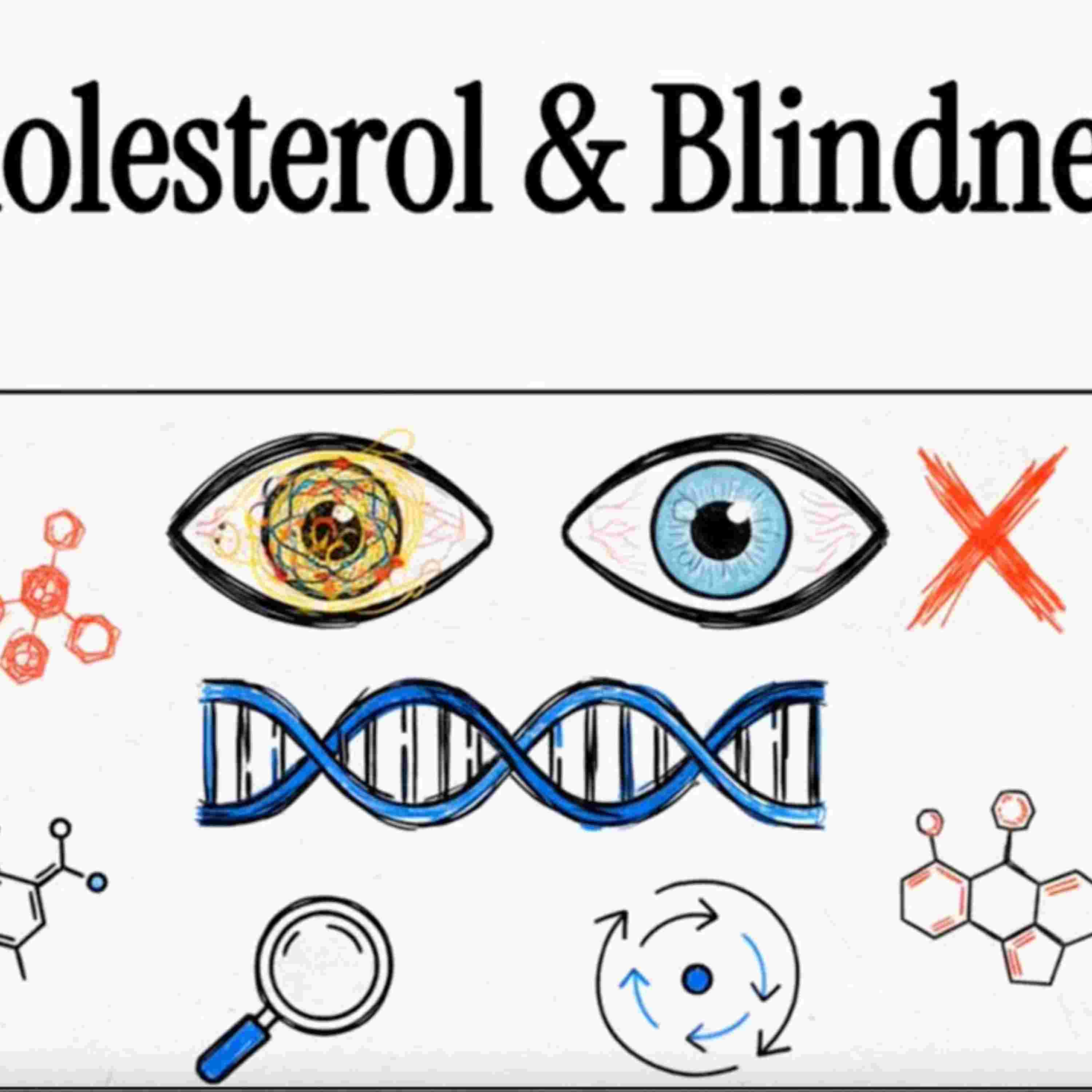
Age-Related Macular Degeneration (AMD) is one of the leading causes of vision loss in adults over 50, yet many people don’t realize that the health of their eyes may be shaped not only by genetics and aging—but also by the way their bodies process lipids. This video explores the surprising and often overlooked connection between lipid metabolism, cholesterol pathways, inflammation, and the development of AMD, based on insights from emerging research.
AMD does not appear randomly. Over the past decade, scientists have uncovered clear patterns showing that lipids—fats and fat-related particles in the body—play a meaningful role in how the retina ages, how drusen form, and how inflammation activates inside the macula. These lipid-rich deposits, including cholesterol esters, apolipoproteins, and oxidized fats, gradually accumulate underneath the retinal pigment epithelium (RPE), contributing to cellular stress and reduced retinal function.
This video breaks down the core ideas clearly and visually, helping viewers understand why both systemic and local lipid processes matter. We look at how imbalanced lipid profiles, including high LDL cholesterol or reduced HDL efficiency, may influence the environment inside the retina. We also explore how lipoprotein particles in the eye resemble those found in atherosclerosis, offering clues about shared mechanisms between heart health and eye health. By making these connections easier to understand, the video empowers people to take a more informed approach to their overall health and long-term vision protection.
Another key area covered in this video is the role of lipid-modifying therapies, such as statins and other agents being studied for potential retinal benefits. While current research is ongoing and no therapy is approved for AMD prevention, scientists continue to investigate how improving lipid balance may support healthier retinal aging. The goal is not to provide medical advice but to share the latest scientific conversations in a clear, accessible way.
You’ll also learn why the retina and RPE produce their own lipoproteins, how oxidative stress affects lipid breakdown, and why chronic inflammation contributes to macular damage over time. Understanding this connection can help individuals appreciate how lifestyle choices—nutrition, antioxidants, healthy habits, and early monitoring—can support their macular health in the long term.
Throughout the video, we translate complex scientific concepts into simple, engaging explanations that help viewers build confidence in their understanding of AMD. Whether you are personally affected by AMD, supporting a loved one, or simply passionate about eye health, this information can help you stay informed and proactive.
At Persavita, our goal is to make science clear, accessible, and empowering. We are committed to helping people understand the factors that influence macular health and to offering resources that support better vision as people age. While science continues to evolve, knowledge remains one of the strongest tools for protecting long-term eye function and quality of life.
If you enjoy this video, please consider sharing it with someone who may benefit. Increasing awareness around AMD helps more people take early, meaningful steps to protect their vision.
🔗 To read the full article that inspired this video, visit:
https://persavita.com/blogs/news/the-role-of-lipids-dyslipidemia-and-lipid-modifying-therapies-in-the-pathogenesis-of-age-related-macular-degeneration
👁️ Stay informed. Stay proactive. Support long-term vision health.
#AMD #MacularDegeneration #EyeHealth #Lipids #Cholesterol #Retina #VisionScience #HealthyAging #Persavita #Saffron2020