
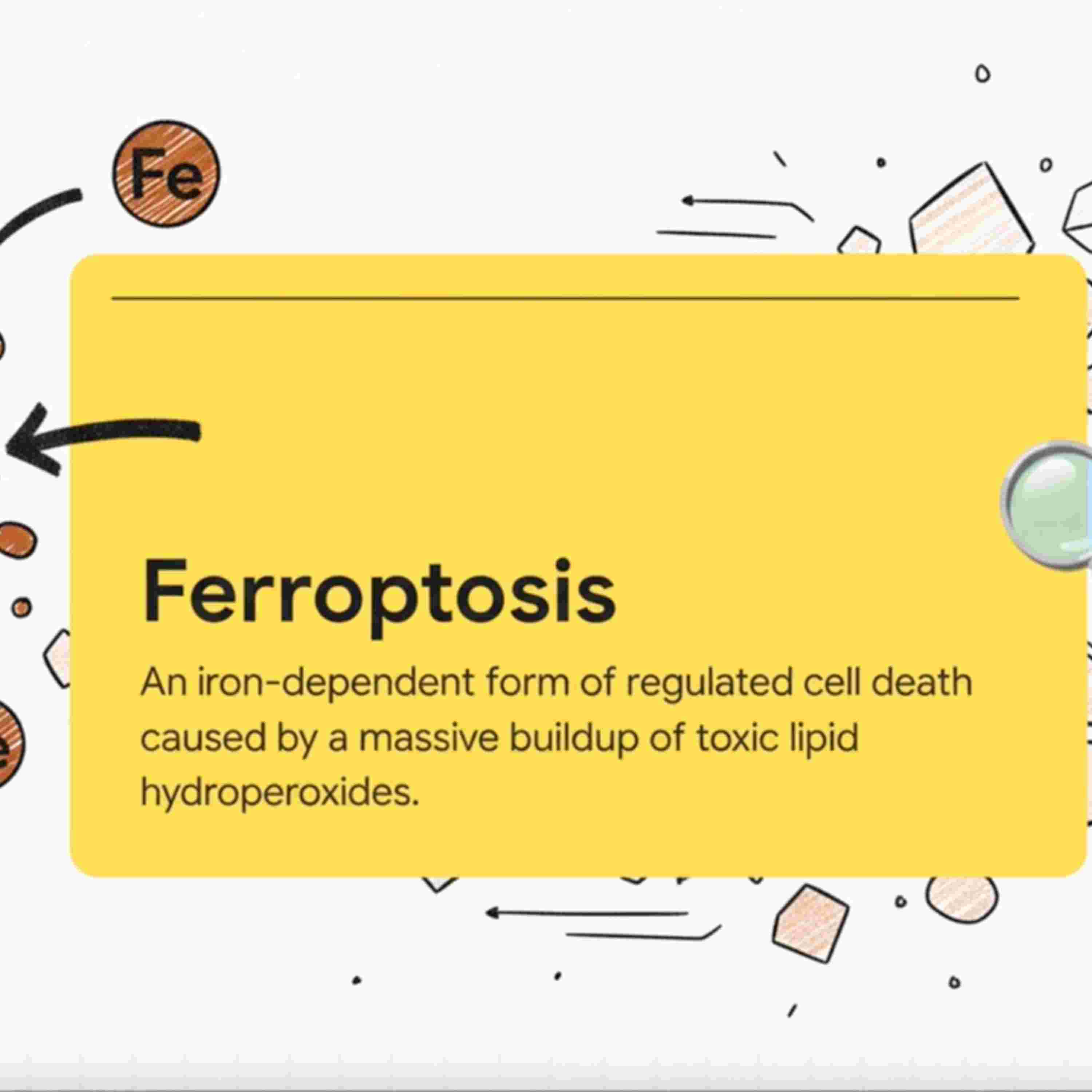
Age-related macular degeneration (AMD) is one of the world’s leading causes of central vision loss, yet the underlying biological processes that drive this condition are still being uncovered. One of the most important—and most overlooked—mechanisms in modern eye research is ferroptosis, a form of iron-driven cell death now recognized as a major contributor to retinal degeneration. This episode explores the science behind ferroptosis, the role of iron dysregulation in AMD, and how emerging research is reshaping our understanding of retinal neuroprotection.
Ferroptosis is triggered when excess free iron accumulates inside retinal pigment epithelial (RPE) cells and photoreceptors, generating high levels of oxidative stress and lipid peroxidation. Unlike other forms of cell death, ferroptosis is driven by the imbalance between iron metabolism, antioxidant defenses, and mitochondrial function. In AMD—particularly in dry AMD and Geographic Atrophy—these mechanisms play a central role in accelerating photoreceptor damage and vision loss.
We dive into the biological steps that make the retina especially vulnerable: age-related iron accumulation, increased oxidative stress, mitochondrial dysfunction, chronic inflammation, and impaired antioxidant systems like glutathione (GSH) and GPX4. These processes interact to create a perfect storm of cellular damage. Understanding these pathways opens the door to exciting therapeutic opportunities targeting iron homeostasis, lipid peroxidation, and metabolic stability.
This episode also examines how new findings in retinal biology, including the behavior of the labile iron pool (LIP) and the Fenton reaction, deepen our understanding of AMD progression. We explore why iron cannot be excreted from the body, why retinal tissues soak up iron over time, and why this accumulation becomes toxic. The connection between iron overload, oxidative damage, and ferroptosis has become one of the most important insights for modern AMD research.
You’ll learn about cutting-edge therapeutic strategies designed to counteract ferroptosis—such as iron chelators, lipid peroxidation inhibitors, mitochondrial protectants, and gene-based approaches that regulate iron metabolism. Promising studies show that restoring iron balance, strengthening antioxidant defenses, and modulating key regulatory proteins may help slow or prevent vision loss in AMD.
This discussion is informed by the newest research in retinal biology, including gene expression changes, stress signaling pathways, non-coding RNA influences, and the molecular mechanisms linking oxidative stress to photoreceptor degeneration. The episode highlights how controlling ferroptosis may become a foundational element of next-generation retinal therapies.
Whether you are a patient, caregiver, researcher, or someone passionate about vision science, this episode offers a deep yet accessible look at one of the most important emerging areas in eye health. Understanding ferroptosis—and how iron toxicity shapes AMD—can empower listeners with clear, science-backed knowledge that supports informed decision-making around lifestyle, nutrition, and future treatment options.
For more science-based resources, visit Persavita.com, where we share the latest insights on AMD, macular health, retinal protection, and innovations in vision research. If you are interested in neuroprotection, oxidative stress, inflammation, iron metabolism, or emerging therapies for AMD, this episode delivers a rich, detailed exploration of the biology that drives vision loss and the strategies that may one day help preserve sight.
Read full article here: https://persavita.com/blogs/news/ferroptosis-research-in-age-related-macular-degeneration