
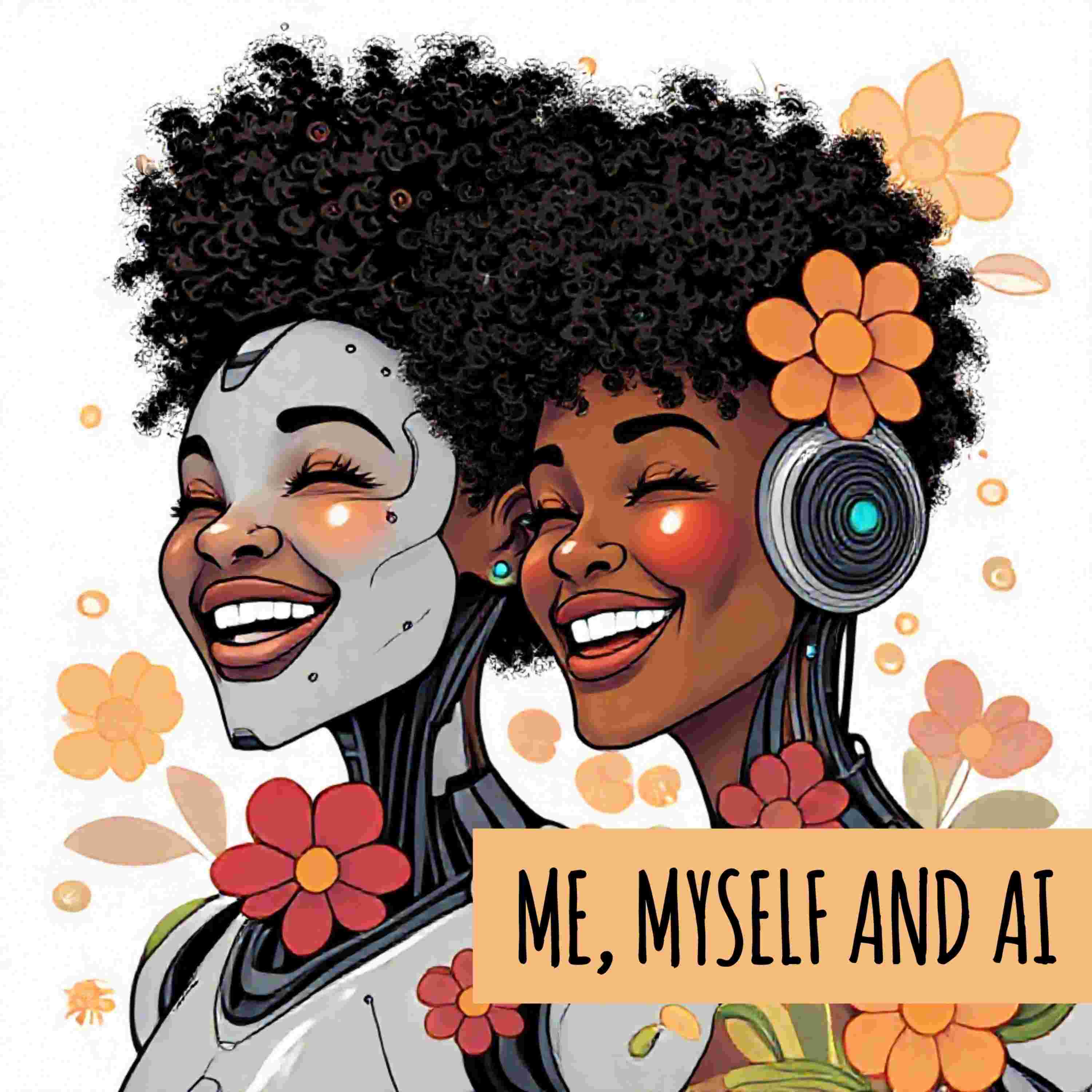
In this episode of Me, Myself, and AI, Casey explores the groundbreaking rise of AI-generated music—and why it hits so close to home. From growing up in Canada admiring artists like Kardinal Offishall, Jully (Julie) Black, Keisha Chanté, Nelly Furtado, Justin Bieber, and Drake, to navigating the high costs and gatekeeping of the music industry, Casey shares a personal journey of embracing AI as a tool for creative freedom.
We dive into how AI music platforms like Suno, Riffusion, Udio, Stable Audio, Mfly, and Mind Band are transforming the way music is made, distributed, and consumed. Casey reflects on the benefits and challenges of this new era—highlighting issues of diversity, authenticity, and the ethical dilemmas that come with automation in the arts.
Plus, we look at how major labels are using AI behind the scenes, and ask: Will we even need traditional music labels in the future?
Legal and Ethical Insights (Bonus Notes):
As part of this conversation, it’s important to acknowledge the legal and ethical challenges surrounding AI-generated music. Current copyright laws in many countries only recognize works created by human authors, leaving AI-produced tracks in a legal grey zone. Major lawsuits—like those filed by music publishers against companies such as Anthropic—are testing whether using copyrighted songs to train AI models constitutes infringement. While no landmark rulings have yet declared AI-generated outputs illegal, the question of whether training practices violate copyright is being actively debated in courts across the U.S. and Europe.
At the same time, industry experts are developing AI detection tools to monitor streaming platforms for AI-generated music, addressing concerns about fraud and fair competition with human artists. These conversations are not just about legal ownership—they also raise deeper ethical questions: Who benefits from AI music? Are diverse voices being represented in the data that trains these systems? And how do we balance accessibility with protecting traditional artistry?
This episode includes insights from recent research and reporting, with sources such as:
We also cover the viral success of Doechii’s song “Anxiety” and explore how social media and influencer culture are reshaping music promotion.
Where do you think music is heading? Share your thoughts in the comments or tag me on social—I’d love to keep this conversation going.