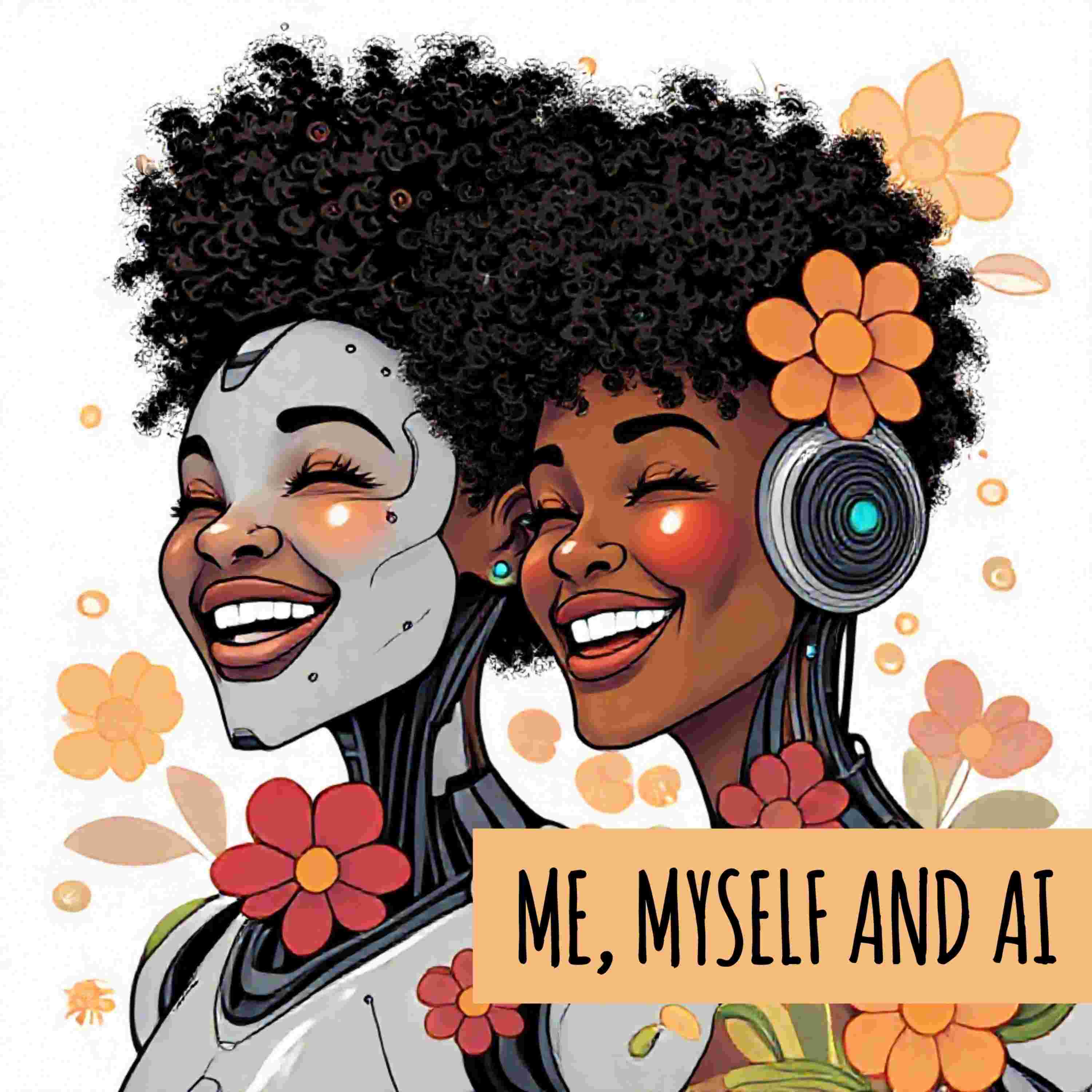
In this episode of Me, Myself & AI, Casey asks a critical question:
Why are Black women across the United States being fired in such large numbers in 2025?
With her AI co-host J, she looks past the headlines and into the data, politics, and patterns shaping this moment.
🔍 What This Episode Breaks Down
- The Numbers: What the Data Actually Shows
- Over 300,000 Black women pushed out of the workforce in early 2025
- Black women’s unemployment rising to 7.5%, while white women remain around 3.5%
- Largest Black–white unemployment gap since 2020
- Federal job cuts hitting Black women disproportionately (Education, HUD, USAID, etc.)
- DEI rollbacks in public + private sectors contributing to targeted losses
- The High-Profile Firings (Names, Roles, and What Happened)
- Joy Reid — fired from MSNBC amid political pressure, diversity concerns
- Karen Attiah — fired from The Washington Post over a tweet; union condemned firing
- Dr. Carla Hayden — removed as Librarian of Congress under government shake-up
- Lisa Cook — first Black woman Federal Reserve Governor; Trump moved to fire her over old mortgage claims; she is now suing
- Letitia James — not fired, but under DOJ investigation seen as political retaliation
- Fani Willis — federally scrutinized after prosecuting Trump; targeted but still in office
- Why Experts Say This Is Happening
- Systemic Racism + “double discrimination” against Black women
- Political retaliation against Black women in positions of oversight and power
- DEI Backlash: intentional dismantling of diversity programs
- Public-sector downsizing: going after departments with high Black female representation
- Corporate retreat from DEI after 2020 commitments
- Return-to-office policies disproportionately impacting Black women
- Historical Context
- Backlash cycles after Black advancement (desegregation → tuition hikes; affirmative action → bans; DEI → rollbacks)
- Black women’s long-standing pattern of being “first fired, last hired”
- How removing Black women from leadership diminishes representation, advocacy, and institutional equity
- Why This Matters (and Why Canadians Should Care)
- Public-sector playbooks cross borders
- DEI under scrutiny in multiple countries
- Black women’s job stability tied to community economic stability
- What happens in the U.S. often signals where global equity trends are heading
📚 Key Sources Referenced in This Episode
Major News + Investigations
- The Guardian — Interview with Joy Reid
- The Washington Post Guild Statement — on Karen Attiah’s firing
- ProPublica — Trump’s purge disproportionately affecting Black women
- Reuters — Lisa Cook’s lawsuit and attempted firing
- Capital B News — Political retaliation against Letitia James & Fani Willis
- Inc. Magazine — Corporate DEI pullbacks + impact on Black women
Research + Data
- National Women’s Law Center (NWLC) — unemployment statistics
- NAACP — analysis of DEI rollback impact on Black women
- BlackDemographics.com — jobless gap analysis
- WABE/NPR — labor force exit data
- TIME Magazine — structural reasons for Black women’s economic vulnerability
- National Urban League — public-sector inequality reports
⸻
Statements from Advocates & Officials
- Karen Boykin-Towns, NAACP
- Janai Nelson, NAACP Legal Defense Fund
- Keisha Bross, NAACP economic policy
- Gender economists & labor researchers quoted in TIME, NWLC, and Inc.