Home
Categories
EXPLORE
True Crime
Comedy
Society & Culture
Business
Sports
History
Music
About Us
Contact Us
Copyright
© 2024 PodJoint
00:00 / 00:00
Sign in

or

Don't have an account?
Sign up
Forgot password
https://is1-ssl.mzstatic.com/image/thumb/Podcasts123/v4/f3/63/bf/f363bf55-524b-4cd8-38e2-56f9610e8905/mza_14657136966987156325.jpg/600x600bb.jpg
New Discourses
New Discourses
374 episodes
1 day ago
Saving American Liberty, Session 8 In this session, Michael O’Fallon argues that contemporary post-liberal and integralist movements, while often presented as moral correctives to modern liberalism, pose significant challenges to pluralism, constitutional governance, and individual liberty. O’Fallon examines how concepts such as distributism and subsidiarity can shift authority away from individuals toward centralized structures claiming to serve the “common good,” and how modern forms of integralism blur the distinction between spiritual and temporal power, raising concerns about dissent and conscience in diverse societies. O’Fallon situates these developments within broader dynamics of social destabilization and reform, noting how periods of cultural conflict and institutional distrust create openings for sweeping structural change. He further explores the evolving role of religious institutions, cautioning that partnerships with political and economic elites risk instrumentalizing faith in support of technocratic agendas. O’Fallon concludes that the convergence of political theory, religion, and technology signals a transition toward more integrated forms of authority that require careful, historically informed scrutiny to ensure they remain compatible with freedom, accountability, and human dignity. Latest from New Discourses Press! The Queering of the American Child: https://queeringbook.com/ Support New Discourses: https://newdiscourses.com/support Follow New Discourses on other platforms: https://newdiscourses.com/subscribe Follow James Lindsay: https://linktr.ee/conceptualjames © 2026 New Discourses. All rights reserved. #NewDiscourses #michaelofallon #Integralism
Show more...
Education
RSS
All content for New Discourses is the property of New Discourses and is served directly from their servers with no modification, redirects, or rehosting. The podcast is not affiliated with or endorsed by Podjoint in any way.
Saving American Liberty, Session 8 In this session, Michael O’Fallon argues that contemporary post-liberal and integralist movements, while often presented as moral correctives to modern liberalism, pose significant challenges to pluralism, constitutional governance, and individual liberty. O’Fallon examines how concepts such as distributism and subsidiarity can shift authority away from individuals toward centralized structures claiming to serve the “common good,” and how modern forms of integralism blur the distinction between spiritual and temporal power, raising concerns about dissent and conscience in diverse societies. O’Fallon situates these developments within broader dynamics of social destabilization and reform, noting how periods of cultural conflict and institutional distrust create openings for sweeping structural change. He further explores the evolving role of religious institutions, cautioning that partnerships with political and economic elites risk instrumentalizing faith in support of technocratic agendas. O’Fallon concludes that the convergence of political theory, religion, and technology signals a transition toward more integrated forms of authority that require careful, historically informed scrutiny to ensure they remain compatible with freedom, accountability, and human dignity. Latest from New Discourses Press! The Queering of the American Child: https://queeringbook.com/ Support New Discourses: https://newdiscourses.com/support Follow New Discourses on other platforms: https://newdiscourses.com/subscribe Follow James Lindsay: https://linktr.ee/conceptualjames © 2026 New Discourses. All rights reserved. #NewDiscourses #michaelofallon #Integralism
Show more...
Education
https://i1.sndcdn.com/artworks-KXWmp9tJZkm9Snps-JDR6Sw-t3000x3000.png
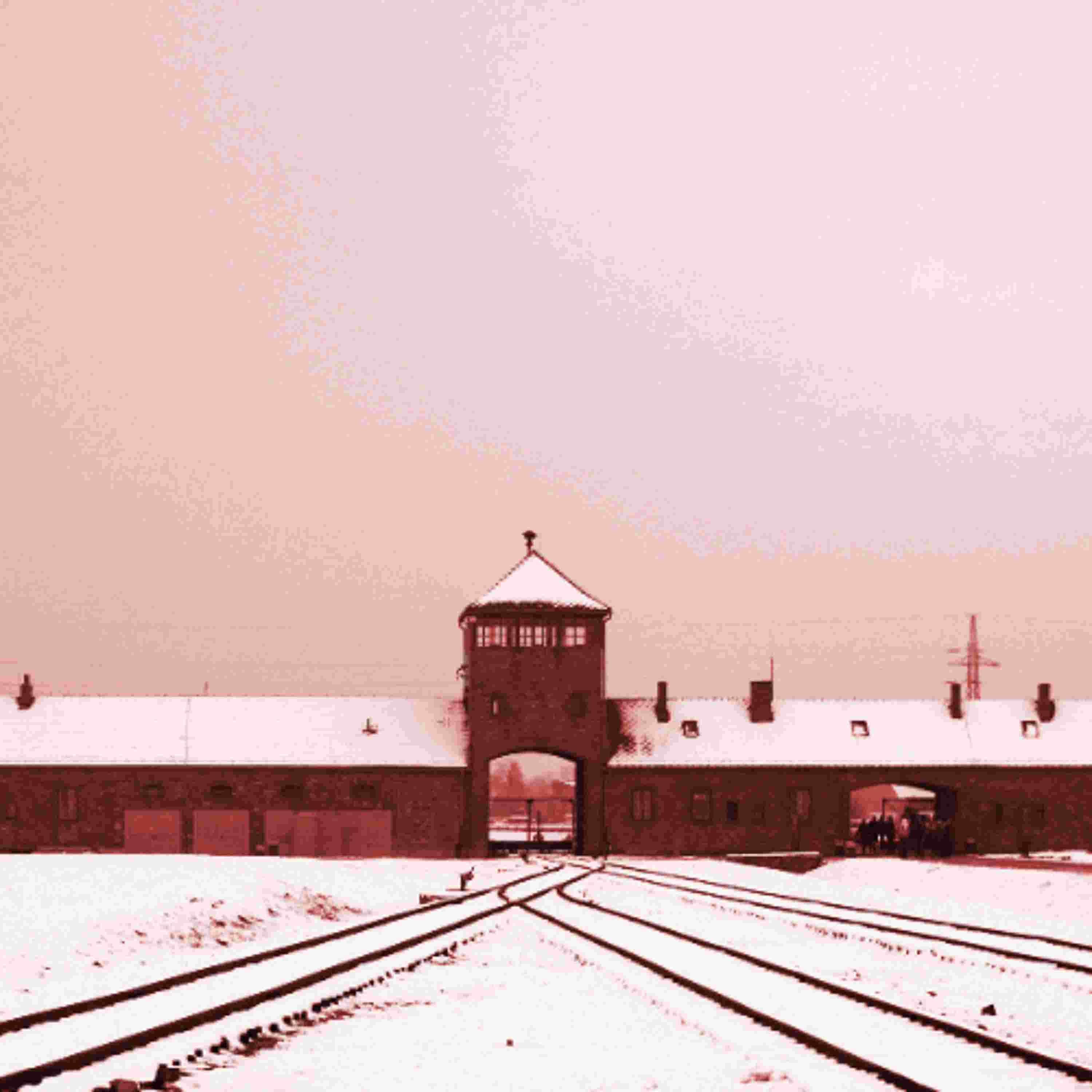
The Nazi Experiment, Vol. 10: Blood, Soil, and the Racial State
New Discourses
2 hours 34 minutes 50 seconds
1 month ago
The Nazi Experiment, Vol. 10: Blood, Soil, and the Racial State
The New Discourses Podcast with James Lindsay, Ep. 185 The Nazi Experiment wasn't just an idea. It was an idea put into practice. Putting that idea into practice started with a movement, but it required a totalitarian state apparatus to fully implement, to tremendous disaster. What was Adolf Hitler's real vision for the Nazi State? He makes it plain: the primary, if not sole, purpose of the state is to protect and improve the race. That is, Hitler's state wasn't ethnonationalist as a matter of happenstance but centrally, by design. In that regard, given the realities of Europe and the world, the Holocaust, and additional such racially motivated purges, were completely predictable all the way back to the mid-1920s in Mein Kampf. In this episode of the New Discourses Podcast, host James Lindsay continues his "Nazi Experiment" podcast series with its tenth volume, reading from the second chapter of the second volume of Mein Kampf to show you the horrible reality of the intended Nazi State apparatus in Hitler's own words. Join him for a shocking listen. Latest from New Discourses Press! The Queering of the American Child: https://queeringbook.com/ Support New Discourses: https://newdiscourses.com/support Follow New Discourses on other platforms: https://newdiscourses.com/subscribe Follow James Lindsay: https://linktr.ee/conceptualjames © 2025 New Discourses. All rights reserved. #NewDiscourses #JamesLindsay #Nazi
New Discourses
Saving American Liberty, Session 8 In this session, Michael O’Fallon argues that contemporary post-liberal and integralist movements, while often presented as moral correctives to modern liberalism, pose significant challenges to pluralism, constitutional governance, and individual liberty. O’Fallon examines how concepts such as distributism and subsidiarity can shift authority away from individuals toward centralized structures claiming to serve the “common good,” and how modern forms of integralism blur the distinction between spiritual and temporal power, raising concerns about dissent and conscience in diverse societies. O’Fallon situates these developments within broader dynamics of social destabilization and reform, noting how periods of cultural conflict and institutional distrust create openings for sweeping structural change. He further explores the evolving role of religious institutions, cautioning that partnerships with political and economic elites risk instrumentalizing faith in support of technocratic agendas. O’Fallon concludes that the convergence of political theory, religion, and technology signals a transition toward more integrated forms of authority that require careful, historically informed scrutiny to ensure they remain compatible with freedom, accountability, and human dignity. Latest from New Discourses Press! The Queering of the American Child: https://queeringbook.com/ Support New Discourses: https://newdiscourses.com/support Follow New Discourses on other platforms: https://newdiscourses.com/subscribe Follow James Lindsay: https://linktr.ee/conceptualjames © 2026 New Discourses. All rights reserved. #NewDiscourses #michaelofallon #Integralism