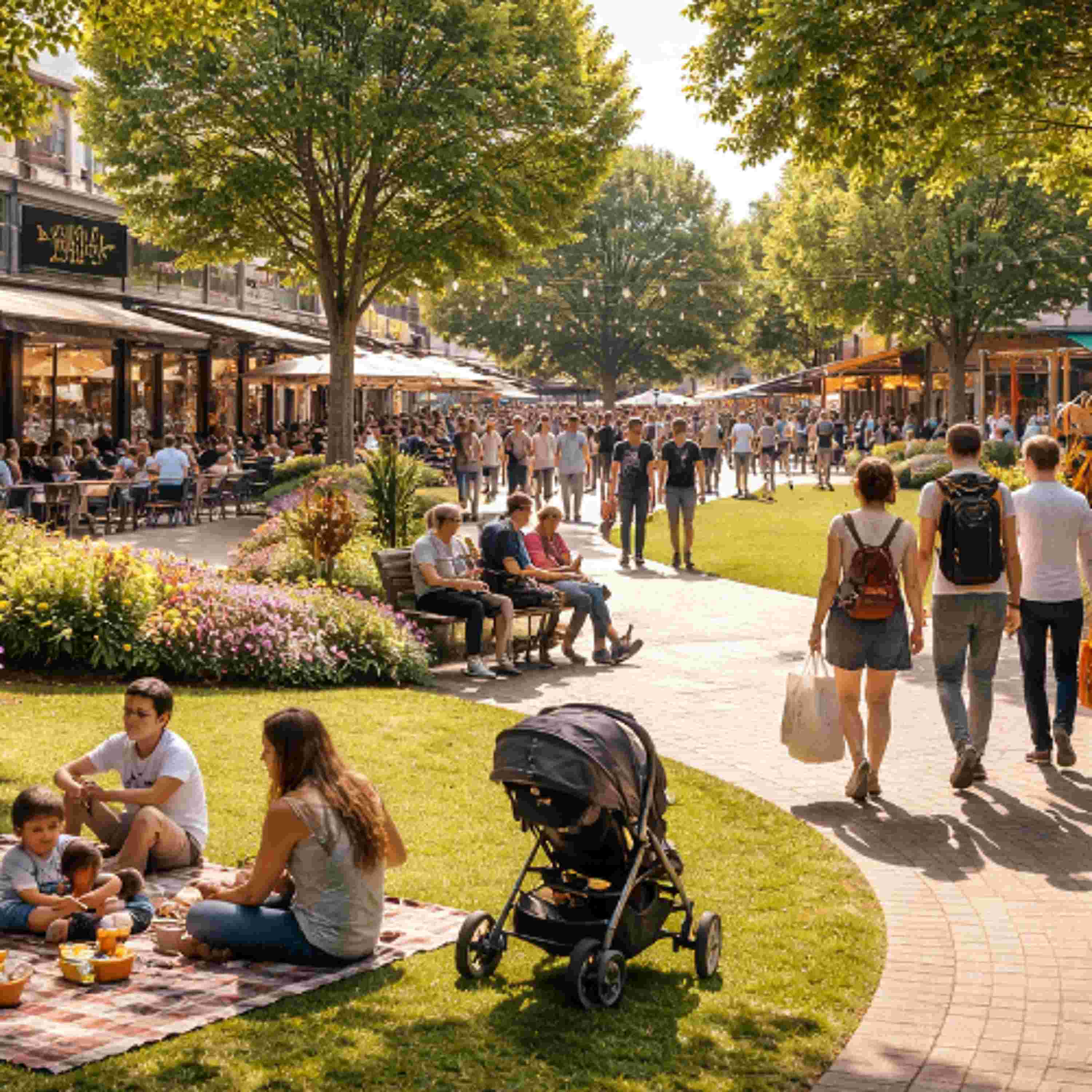
In this episode of Overdrive, host David Brown speaks with Ken Dobinson — a 95-year-old former transport leader with a career spanning government, consultancy, and groundbreaking urban planning.
With a sharp mind and an unwavering commitment to public value, Ken unpacks why our cities still miss the mark in serving communities, and how infrastructure decisions must go beyond spreadsheets and silos to truly reflect how people live, move and connect.
All content for Overdrive is the property of David Brown and is served directly from their servers
with no modification, redirects, or rehosting. The podcast is not affiliated with or endorsed by Podjoint in any way.
In this episode of Overdrive, host David Brown speaks with Ken Dobinson — a 95-year-old former transport leader with a career spanning government, consultancy, and groundbreaking urban planning.
With a sharp mind and an unwavering commitment to public value, Ken unpacks why our cities still miss the mark in serving communities, and how infrastructure decisions must go beyond spreadsheets and silos to truly reflect how people live, move and connect.
Why We Must Rethink How We Design Cities - what do people actually need?
Overdrive
30 minutes
1 week ago
Why We Must Rethink How We Design Cities - what do people actually need?
In this episode of Overdrive, host David Brown speaks with Ken Dobinson — a 95-year-old former transport leader with a career spanning government, consultancy, and groundbreaking urban planning.
With a sharp mind and an unwavering commitment to public value, Ken unpacks why our cities still miss the mark in serving communities, and how infrastructure decisions must go beyond spreadsheets and silos to truly reflect how people live, move and connect.
Overdrive
In this episode of Overdrive, host David Brown speaks with Ken Dobinson — a 95-year-old former transport leader with a career spanning government, consultancy, and groundbreaking urban planning.
With a sharp mind and an unwavering commitment to public value, Ken unpacks why our cities still miss the mark in serving communities, and how infrastructure decisions must go beyond spreadsheets and silos to truly reflect how people live, move and connect.