More at https://www.philosophytalk.org/shows/shakespeares-outsiders.
Over 400 years after his death, Shakespeare is still widely regarded as the greatest dramatist of all time. His many plays tackle questions about power, influence, identity, and moral and social status. His characters—be they villains or heroes—are often disdained because of their race, religion, class, disability, or gender. So what do Shakespeare’s plays reveal about identity and status in his time? How might they shed light on who we include and who we exclude today? Could Shakespearian dramas have more in common with modern day soap operas than we think? Ray and guest-host Adrian Daub go inside with David Sterling Brown from Trinity College in Hartford, author of "Shakespeare's White Others."
All content for Philosophy Talk: Select Episodes is the property of Philosophy Talk and is served directly from their servers
with no modification, redirects, or rehosting. The podcast is not affiliated with or endorsed by Podjoint in any way.
More at https://www.philosophytalk.org/shows/shakespeares-outsiders.
Over 400 years after his death, Shakespeare is still widely regarded as the greatest dramatist of all time. His many plays tackle questions about power, influence, identity, and moral and social status. His characters—be they villains or heroes—are often disdained because of their race, religion, class, disability, or gender. So what do Shakespeare’s plays reveal about identity and status in his time? How might they shed light on who we include and who we exclude today? Could Shakespearian dramas have more in common with modern day soap operas than we think? Ray and guest-host Adrian Daub go inside with David Sterling Brown from Trinity College in Hartford, author of "Shakespeare's White Others."
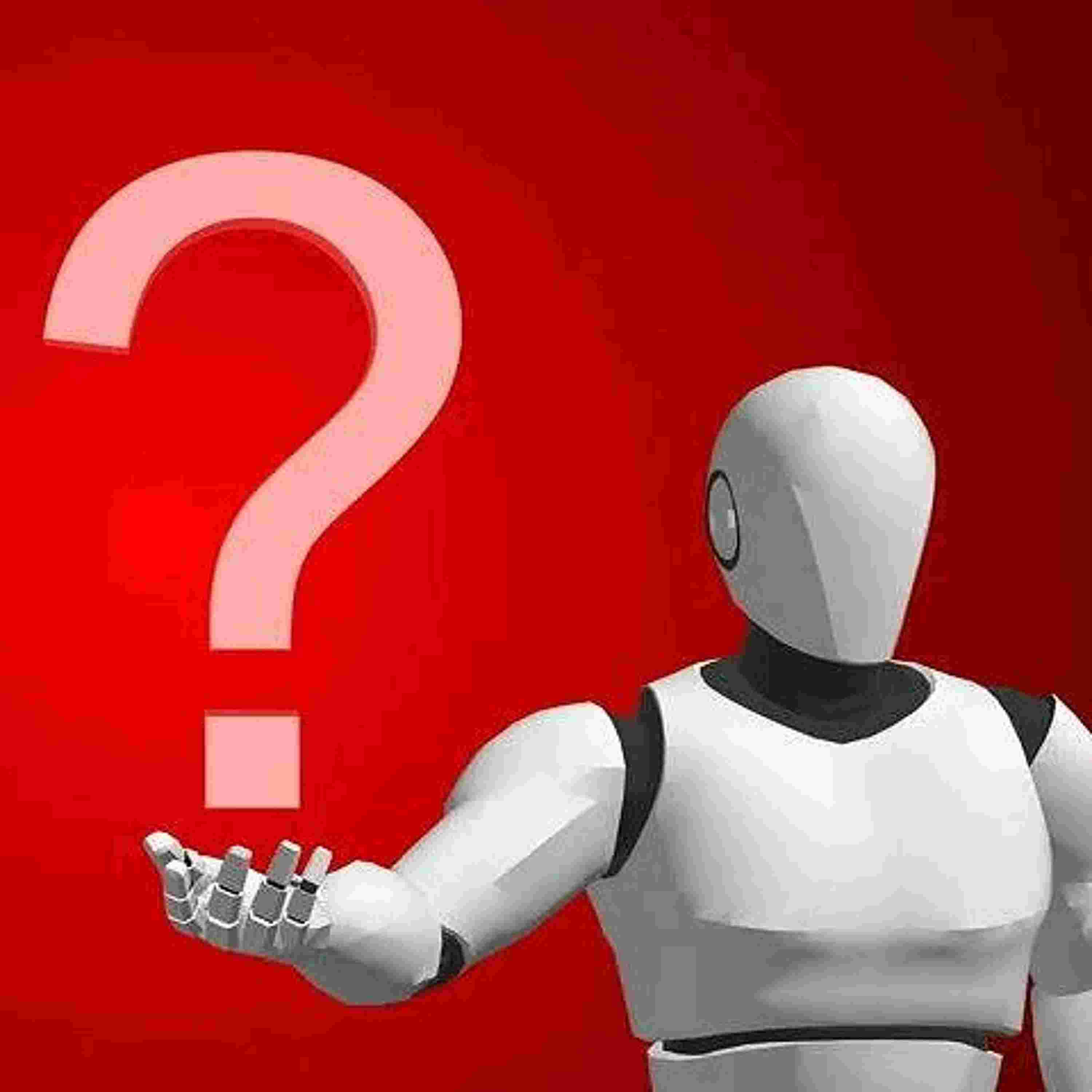
More at https://www.philosophytalk.org/shows/could-robots-be-persons.
As we approach the advent of autonomous robots, we must decide how we will determine culpability for their actions. Some propose creating a new legal category of “electronic personhood” for any sufficiently advanced robot that can learn and make decisions by itself. But do we really want to assign artificial intelligence legal—or moral—rights and responsibilities? Would it be ethical to produce and sell something with the status of a person in the first place? Does designing machines that look and act like humans lead us to misplace our empathy? Or should we be kind to robots lest we become unkind to our fellow human beings? Josh and Ray do the robot with Joanna Bryson, Professor of Ethics and Technology at the Hertie School of Governance, and author of "The Artificial Intelligence of the Ethics of Artificial Intelligence: An Introductory Overview for Law and Regulation."
Philosophy Talk: Select Episodes
More at https://www.philosophytalk.org/shows/shakespeares-outsiders.
Over 400 years after his death, Shakespeare is still widely regarded as the greatest dramatist of all time. His many plays tackle questions about power, influence, identity, and moral and social status. His characters—be they villains or heroes—are often disdained because of their race, religion, class, disability, or gender. So what do Shakespeare’s plays reveal about identity and status in his time? How might they shed light on who we include and who we exclude today? Could Shakespearian dramas have more in common with modern day soap operas than we think? Ray and guest-host Adrian Daub go inside with David Sterling Brown from Trinity College in Hartford, author of "Shakespeare's White Others."