More at https://www.philosophytalk.org/shows/shakespeares-outsiders.
Over 400 years after his death, Shakespeare is still widely regarded as the greatest dramatist of all time. His many plays tackle questions about power, influence, identity, and moral and social status. His characters—be they villains or heroes—are often disdained because of their race, religion, class, disability, or gender. So what do Shakespeare’s plays reveal about identity and status in his time? How might they shed light on who we include and who we exclude today? Could Shakespearian dramas have more in common with modern day soap operas than we think? Ray and guest-host Adrian Daub go inside with David Sterling Brown from Trinity College in Hartford, author of "Shakespeare's White Others."
All content for Philosophy Talk: Select Episodes is the property of Philosophy Talk and is served directly from their servers
with no modification, redirects, or rehosting. The podcast is not affiliated with or endorsed by Podjoint in any way.
More at https://www.philosophytalk.org/shows/shakespeares-outsiders.
Over 400 years after his death, Shakespeare is still widely regarded as the greatest dramatist of all time. His many plays tackle questions about power, influence, identity, and moral and social status. His characters—be they villains or heroes—are often disdained because of their race, religion, class, disability, or gender. So what do Shakespeare’s plays reveal about identity and status in his time? How might they shed light on who we include and who we exclude today? Could Shakespearian dramas have more in common with modern day soap operas than we think? Ray and guest-host Adrian Daub go inside with David Sterling Brown from Trinity College in Hartford, author of "Shakespeare's White Others."
More at https://www.philosophytalk.org/shows/crisis-and-creativity-mayan-mythology.
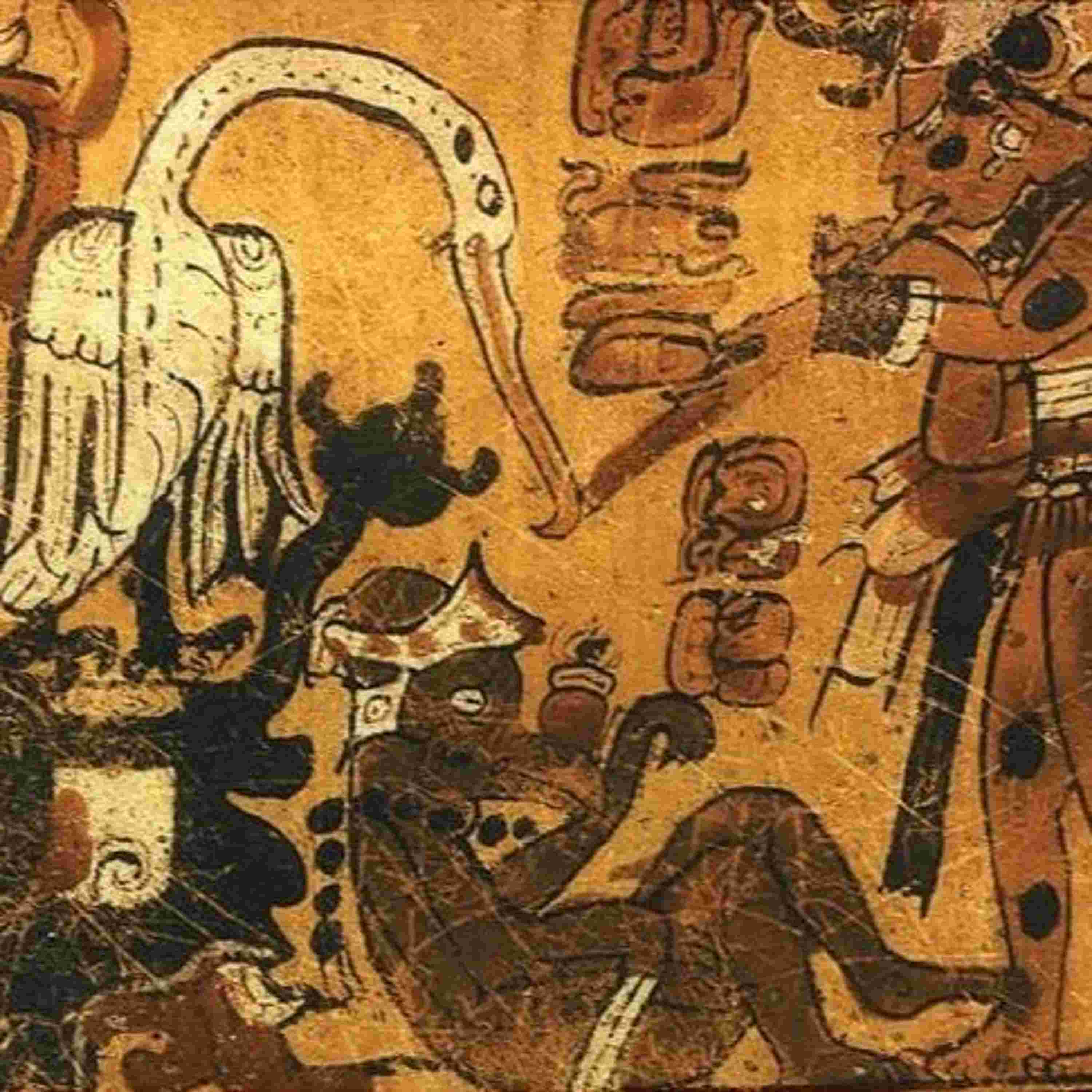
The Popol Vuh, written in 1702, was based on a Mayan oral tradition encompassing creation myths, history, and cosmology. These stories were written in a time of crisis: European colonialism had decimated the Mayan population and destroyed much of their cultural knowledge. How do stories help a society survive and thrive? Can they console us in times of crisis? How much of a culture can historians save in times of devastation? Josh and Ray rewrite history with Edgar Garcia from the University of Chicago, author of "Emergency: Reading the Popol Vuh in a Time of Crisis."
Philosophy Talk: Select Episodes
More at https://www.philosophytalk.org/shows/shakespeares-outsiders.
Over 400 years after his death, Shakespeare is still widely regarded as the greatest dramatist of all time. His many plays tackle questions about power, influence, identity, and moral and social status. His characters—be they villains or heroes—are often disdained because of their race, religion, class, disability, or gender. So what do Shakespeare’s plays reveal about identity and status in his time? How might they shed light on who we include and who we exclude today? Could Shakespearian dramas have more in common with modern day soap operas than we think? Ray and guest-host Adrian Daub go inside with David Sterling Brown from Trinity College in Hartford, author of "Shakespeare's White Others."