More at https://www.philosophytalk.org/shows/shakespeares-outsiders.
Over 400 years after his death, Shakespeare is still widely regarded as the greatest dramatist of all time. His many plays tackle questions about power, influence, identity, and moral and social status. His characters—be they villains or heroes—are often disdained because of their race, religion, class, disability, or gender. So what do Shakespeare’s plays reveal about identity and status in his time? How might they shed light on who we include and who we exclude today? Could Shakespearian dramas have more in common with modern day soap operas than we think? Ray and guest-host Adrian Daub go inside with David Sterling Brown from Trinity College in Hartford, author of "Shakespeare's White Others."
All content for Philosophy Talk: Select Episodes is the property of Philosophy Talk and is served directly from their servers
with no modification, redirects, or rehosting. The podcast is not affiliated with or endorsed by Podjoint in any way.
More at https://www.philosophytalk.org/shows/shakespeares-outsiders.
Over 400 years after his death, Shakespeare is still widely regarded as the greatest dramatist of all time. His many plays tackle questions about power, influence, identity, and moral and social status. His characters—be they villains or heroes—are often disdained because of their race, religion, class, disability, or gender. So what do Shakespeare’s plays reveal about identity and status in his time? How might they shed light on who we include and who we exclude today? Could Shakespearian dramas have more in common with modern day soap operas than we think? Ray and guest-host Adrian Daub go inside with David Sterling Brown from Trinity College in Hartford, author of "Shakespeare's White Others."
More at https://www.philosophytalk.org/shows/mary-midgley.
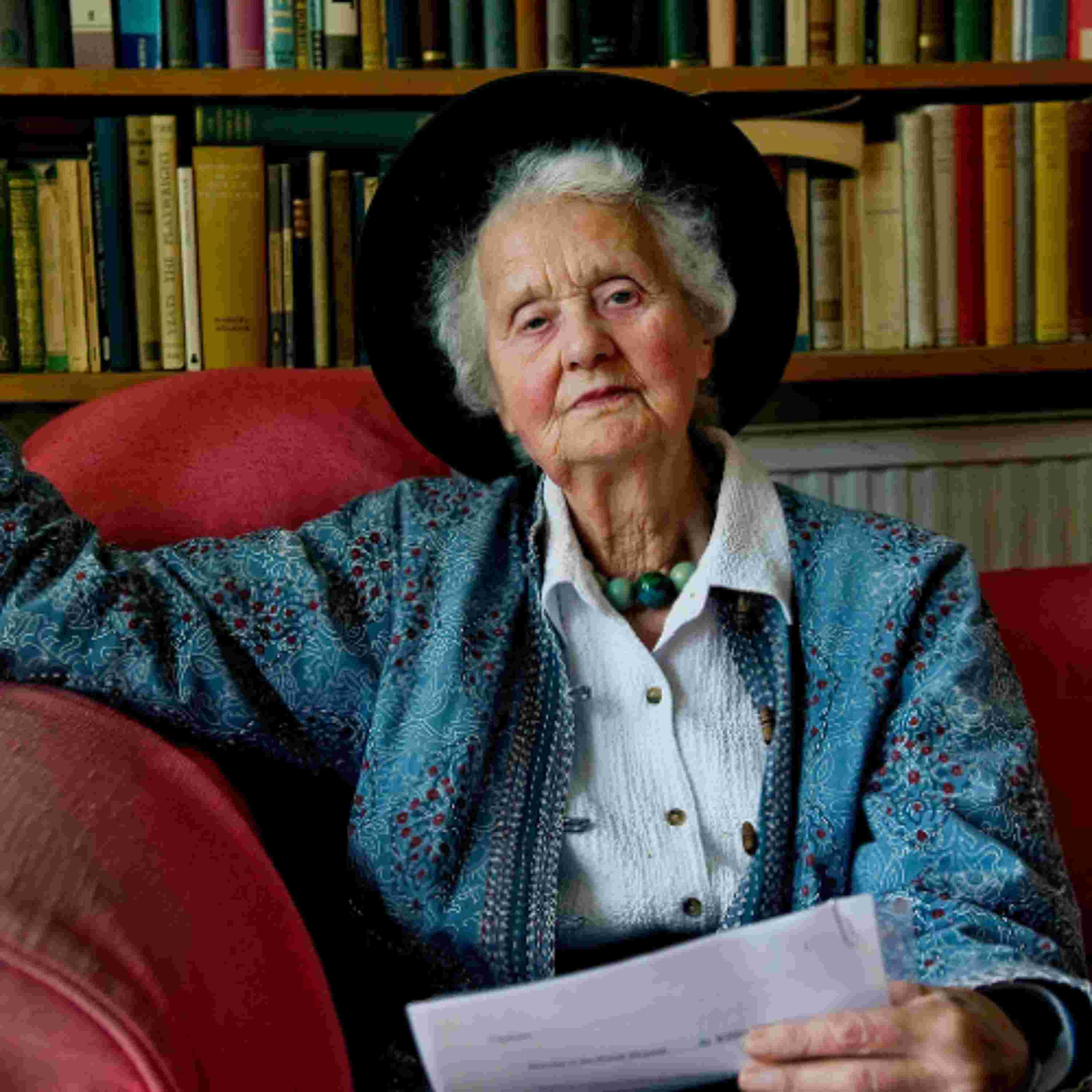
Mary Midgley became one of the best known public intellectuals in the UK, and was one of the first philosophers to talk about climate change. Though she didn’t publish her first book—Beast and Man—till she was 59, she wrote many influential works on science, ethics, and animal rights. So, why did Midgley argue that the climate crisis was ultimately a conceptual problem? What was her criticism of scientism, the view that only science can provide knowledge about the world around us? And why did she think the work of the philosopher is a bit like that of the plumber? Josh and Ray explore her life and thought with Clare Mac Cumhaill from Durham University, co-author of "Metaphysical Animals: How Four Women Brought Philosophy Back to Life."
Part of our Wise Women series, generously supported by a grant from the National Endowment for the Humanities.
Philosophy Talk: Select Episodes
More at https://www.philosophytalk.org/shows/shakespeares-outsiders.
Over 400 years after his death, Shakespeare is still widely regarded as the greatest dramatist of all time. His many plays tackle questions about power, influence, identity, and moral and social status. His characters—be they villains or heroes—are often disdained because of their race, religion, class, disability, or gender. So what do Shakespeare’s plays reveal about identity and status in his time? How might they shed light on who we include and who we exclude today? Could Shakespearian dramas have more in common with modern day soap operas than we think? Ray and guest-host Adrian Daub go inside with David Sterling Brown from Trinity College in Hartford, author of "Shakespeare's White Others."