More at https://philosophytalk.org/shows/why-world-so-weird.
Quantum mechanics, mathematics, human consciousness…. whichever way you slice it, the universe is weird. How can our conscious minds be made from unconscious atoms? What should we make of quantum entanglement, or the fact that light can be both a particle and a wave? Why is it that there are exactly as many fractions as there are whole numbers? Josh and Ray raise an eyebrow with Eric Schwitzgebel from UC Riverside, author of "The Weirdness of the World."
All content for Philosophy Talk: Select Episodes is the property of Philosophy Talk and is served directly from their servers
with no modification, redirects, or rehosting. The podcast is not affiliated with or endorsed by Podjoint in any way.
More at https://philosophytalk.org/shows/why-world-so-weird.
Quantum mechanics, mathematics, human consciousness…. whichever way you slice it, the universe is weird. How can our conscious minds be made from unconscious atoms? What should we make of quantum entanglement, or the fact that light can be both a particle and a wave? Why is it that there are exactly as many fractions as there are whole numbers? Josh and Ray raise an eyebrow with Eric Schwitzgebel from UC Riverside, author of "The Weirdness of the World."
More at https://www.philosophytalk.org/shows/nisia-floresta.
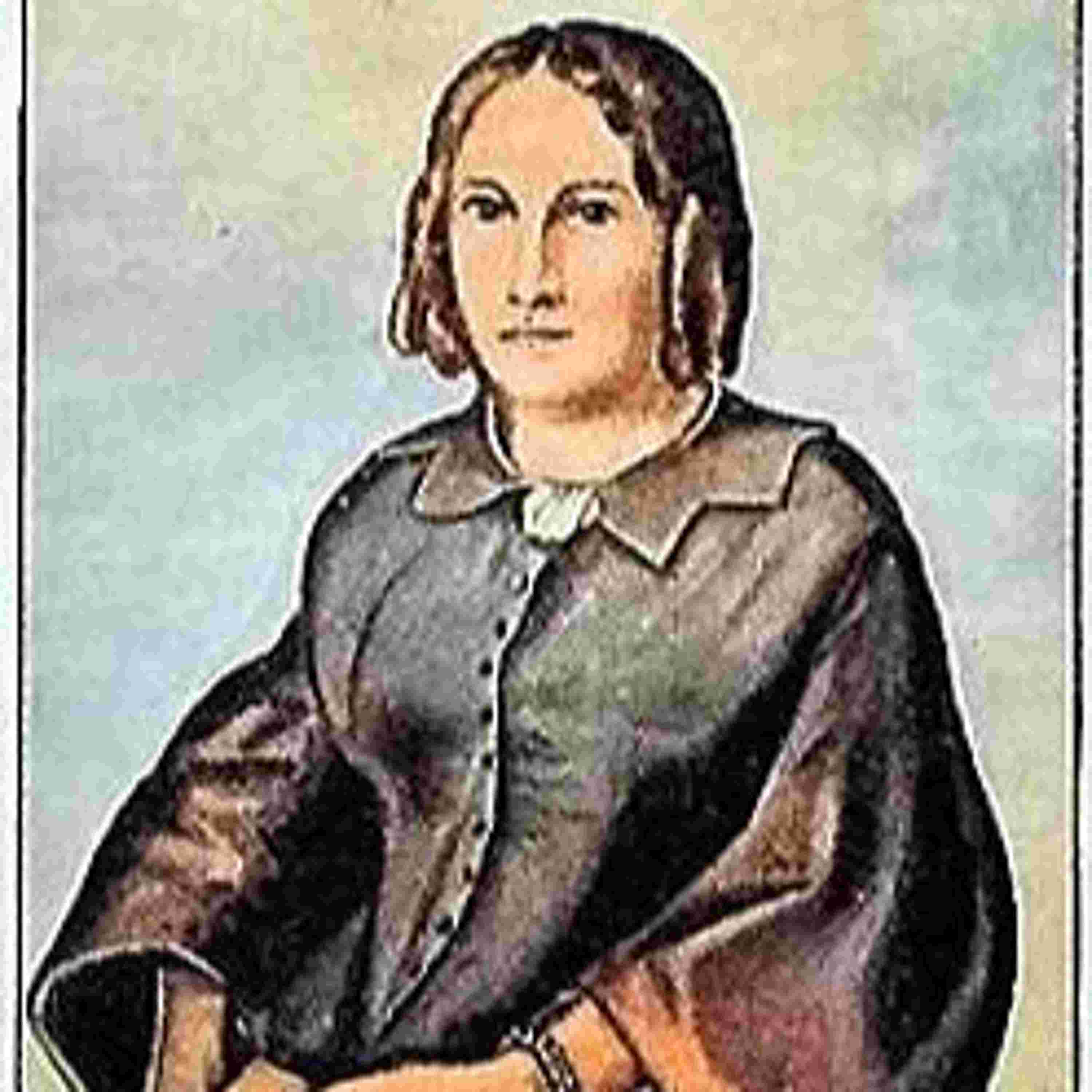
Nísia Floresta was a 19th-century writer and translator known as “the Brazilian Mary Wollstonecraft.” She published the first book on women’s rights in South America, when Brazil was gaining independence from Portugal and a new post-colonial nation was being built. She also argued for the rights of the enslaved and indigenous Brazilians, who were marginalized and exploited in this new nation. Josh and Ray explore her life and thought with Nastassja Pugliese from the Federal University of Rio de Janeiro, author of "Nísia Floresta (Elements on Women in the History of Philosophy)."
Philosophy Talk: Select Episodes
More at https://philosophytalk.org/shows/why-world-so-weird.
Quantum mechanics, mathematics, human consciousness…. whichever way you slice it, the universe is weird. How can our conscious minds be made from unconscious atoms? What should we make of quantum entanglement, or the fact that light can be both a particle and a wave? Why is it that there are exactly as many fractions as there are whole numbers? Josh and Ray raise an eyebrow with Eric Schwitzgebel from UC Riverside, author of "The Weirdness of the World."