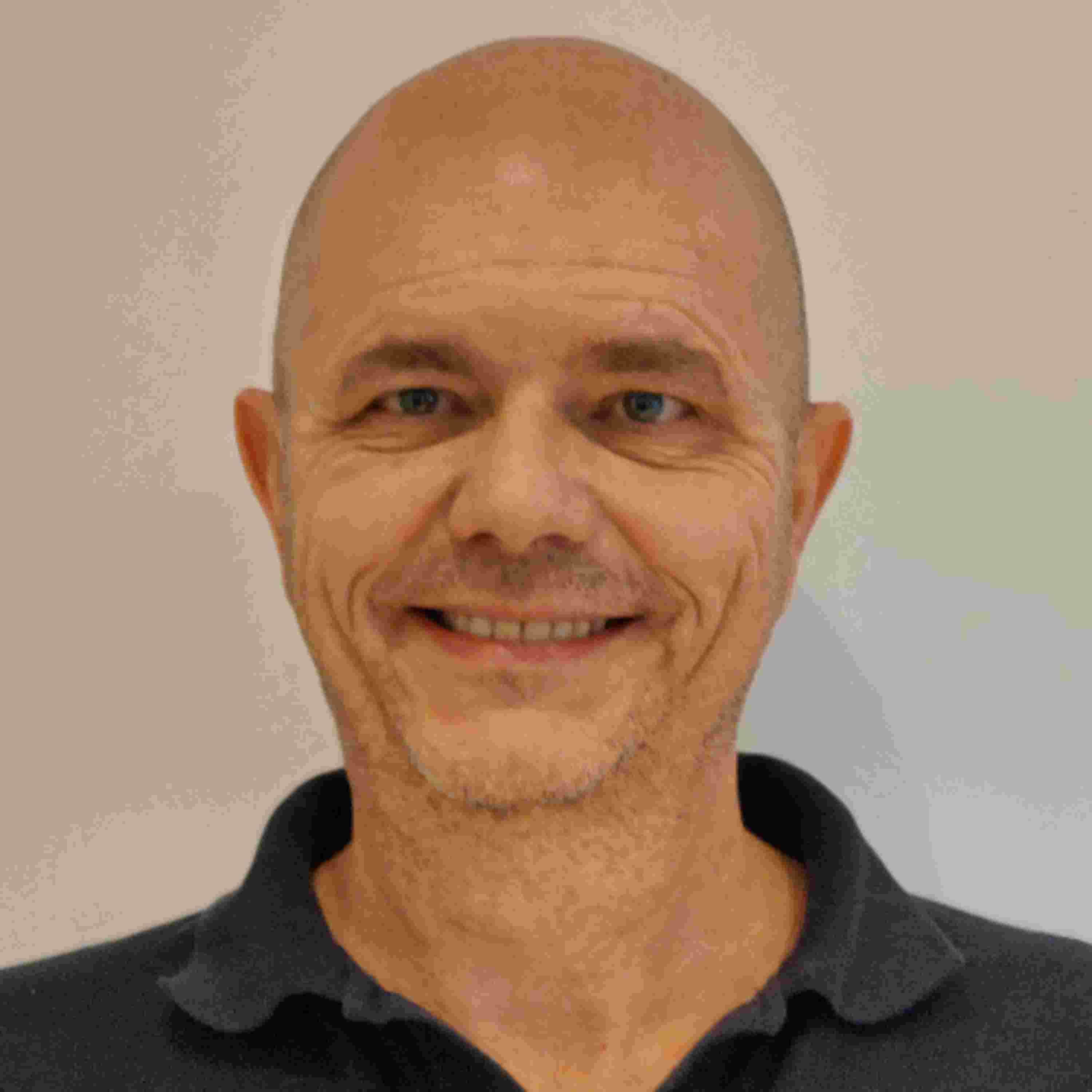
Today’s story is a good example of how little we know about biology and life, and how we can use our knowledge to better fight diseases and environmental threats.
We are going to talk about bacteriophages or just fages. These are small viruses which attack bacteria. The story is literally about life and death and most organisms on earth are being killed every week.
We have covered this topic before but, but in this podcast we will go deeper into the substance and ask one of the current frontier researchers from the biocomplexity group at the Niels Bohr Institute in Copenhagen Namiko Mitarai Japan.
All content for Science Stories is the property of Science Stories and is served directly from their servers
with no modification, redirects, or rehosting. The podcast is not affiliated with or endorsed by Podjoint in any way.
Today’s story is a good example of how little we know about biology and life, and how we can use our knowledge to better fight diseases and environmental threats.
We are going to talk about bacteriophages or just fages. These are small viruses which attack bacteria. The story is literally about life and death and most organisms on earth are being killed every week.
We have covered this topic before but, but in this podcast we will go deeper into the substance and ask one of the current frontier researchers from the biocomplexity group at the Niels Bohr Institute in Copenhagen Namiko Mitarai Japan.
It is more than a quarter Century since Denmark took its first steps into space age with the first satellite called Ørsted with the purpose of measuring the magnetic fields around the Earth.
The mission was a great success in many ways and paved the way for several research groups working with different astrophysical problems. But it was also the beginning of satellite production in Denmark and that is the theme of the podcast today.
I was there in 2000 when the first Danish satellite was launched from The Vandenberg airbase in The USA - or rather I waited at the Launch-site but due to weather and technical problems it took a long time before the satellite went up.
Today many universities and technical schools are producing satellites for different purposes. The price for launching is going down very fast. For about 2000 US$ it should be possible to buy space for a one kilo satellite to go to space. Then comes all the development and communication devices you need to control your satellite.
Chief consultant Per Lundahl Thomsen from Denmarks Technical University explain to Jens Degett what you need to make your own satellite.
DTU SPACE
Institut for Rumforskning og Rumteknologi
Science Stories
Today’s story is a good example of how little we know about biology and life, and how we can use our knowledge to better fight diseases and environmental threats.
We are going to talk about bacteriophages or just fages. These are small viruses which attack bacteria. The story is literally about life and death and most organisms on earth are being killed every week.
We have covered this topic before but, but in this podcast we will go deeper into the substance and ask one of the current frontier researchers from the biocomplexity group at the Niels Bohr Institute in Copenhagen Namiko Mitarai Japan.