
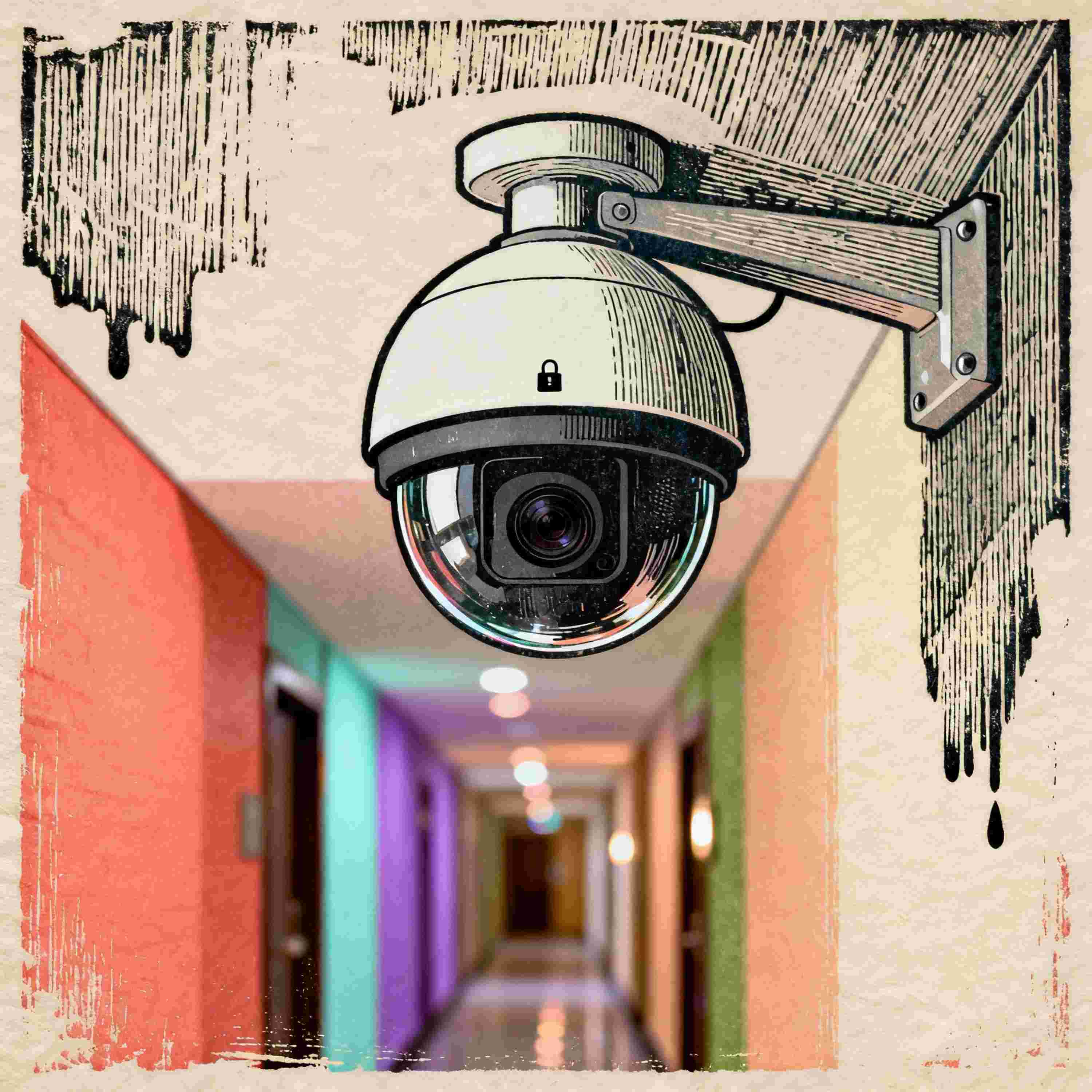
Modern Closed-Circuit Television (CCTV) systems have evolved from passive recording tools into a dynamic, intelligent layer of security and operational intelligence. A properly designed surveillance system is a complex integration of camera hardware, network infrastructure, video management software (VMS), and storage architecture, designed to provide complete visibility and a coordinated layer of protection across facilities. The transition from analog to IP-based architectures has been a catalyst for this evolution, enabling remote access, advanced video analytics, and seamless integration with broader security and building management platforms.
Key technological pillars of a contemporary CCTV system include high-definition cameras with specialized imaging capabilities (such as thermal, low-light, and wide dynamic range), robust IP networking with Power over Ethernet (PoE), and scalable storage solutions from edge devices to cloud archives. The VMS serves as the central command hub, enabling live monitoring, incident investigation, and automated alarm responses.
The most significant recent advancement is the infusion of Artificial Intelligence (AI) and deep learning. Video analytics now transform raw video streams into actionable data, capable of detecting intrusions, recognizing license plates, counting people, and identifying anomalous behaviors. This intelligence is maximized when CCTV is integrated with other systems like access control, intrusion alarms, and building management, creating a unified security ecosystem. However, deploying such powerful technology necessitates a rigorous approach to privacy, data protection, and legal compliance, governed by regulations like GDPR. Effective systems are supported by best practices in design, installation, and ongoing maintenance to ensure reliability and achieve security objectives.
Read the full article; CCTV Surveillance Systems: Cameras, Video & Security