
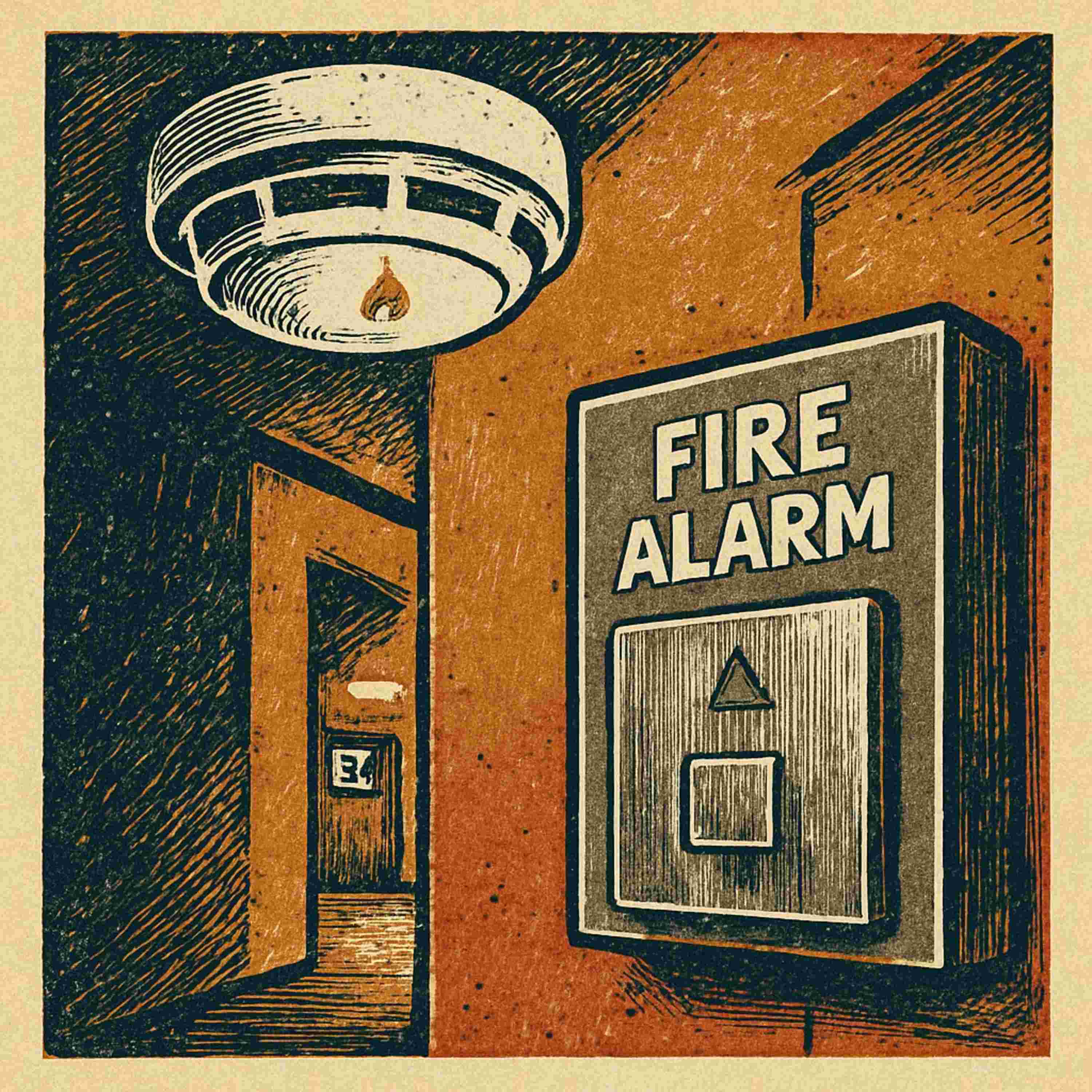
Fire alarm systems are critical safety networks designed for the early detection of fire indicators such as smoke, heat, or flames. Their primary function is to protect building occupants by activating alerts and facilitating a coordinated emergency response. The effectiveness of these systems hinges on a coordinated, three-layered architecture: detection sensors that monitor protected spaces, a central control panel that processes signals and executes programmed logic, and notification appliances that provide audible and visual alerts for evacuation.
A diverse array of detection technologies is available, each tailored to specific environmental conditions and fire risks. These range from common photoelectric smoke detectors for smoldering fires to specialized heat, flame, multi-sensor, and advanced aspiration (VESDA) systems for challenging or high-value environments. System architecture is a crucial design consideration, with modern installations favoring addressable systems that provide precise location data for individual devices over older, zone-based conventional systems.
The entire lifecycle of a fire alarm system—from design and installation to ongoing inspection, maintenance, and eventual replacement—is governed by stringent safety codes and standards. In North America, NFPA 72 is the primary governing document, while Europe follows the EN 54 series. Compliance is mandatory and ensures that all components, from wiring and power supplies to software and notification devices, function reliably. Ultimately, the system's performance and its ability to protect life and property depend on proper design, meticulous installation, thorough commissioning, and a disciplined maintenance regimen.
Read the full article; Understanding Fire Alarm Systems: Safety First