
The MSF Speaking Out podcasts are a series adapted from the original Médecins Sans Frontières/Doctors Without Borders (MSF) Speaking Out Case Studies (SOCS). Like the case studies, the podcast series examines the challenges and dilemmas surrounding speaking out. The series offers an in-depth look into these humanitarian dilemmas through the narration of extracts from MSF documents and press archives to help establish the facts. Interviews with the main MSF protagonists at the time of the events also provide insight into, and analysis of, the positions adopted, including personal reflections which offer fresh perspectives.
***
MSF Speaking Out Case Studies (SOCS) is a series of case studies that openly examines and analyses the MSF’s actions and decision-making process during humanitarian emergencies that have led it to speak out or not. The SOCS project assists all MSF members, and a growing external audience in understanding how speaking out articulates with humanitarian interventions.↲
Find all 14 SOCS in English or French available for download on: https://www.msf.org/speakingout/all-case-studies
Hosted on Acast. See acast.com/privacy for more information.
The MSF Speaking Out podcasts are a series adapted from the original Médecins Sans Frontières/Doctors Without Borders (MSF) Speaking Out Case Studies (SOCS). Like the case studies, the podcast series examines the challenges and dilemmas surrounding speaking out. The series offers an in-depth look into these humanitarian dilemmas through the narration of extracts from MSF documents and press archives to help establish the facts. Interviews with the main MSF protagonists at the time of the events also provide insight into, and analysis of, the positions adopted, including personal reflections which offer fresh perspectives.
***
MSF Speaking Out Case Studies (SOCS) is a series of case studies that openly examines and analyses the MSF’s actions and decision-making process during humanitarian emergencies that have led it to speak out or not. The SOCS project assists all MSF members, and a growing external audience in understanding how speaking out articulates with humanitarian interventions.↲
Find all 14 SOCS in English or French available for download on: https://www.msf.org/speakingout/all-case-studies
Hosted on Acast. See acast.com/privacy for more information.
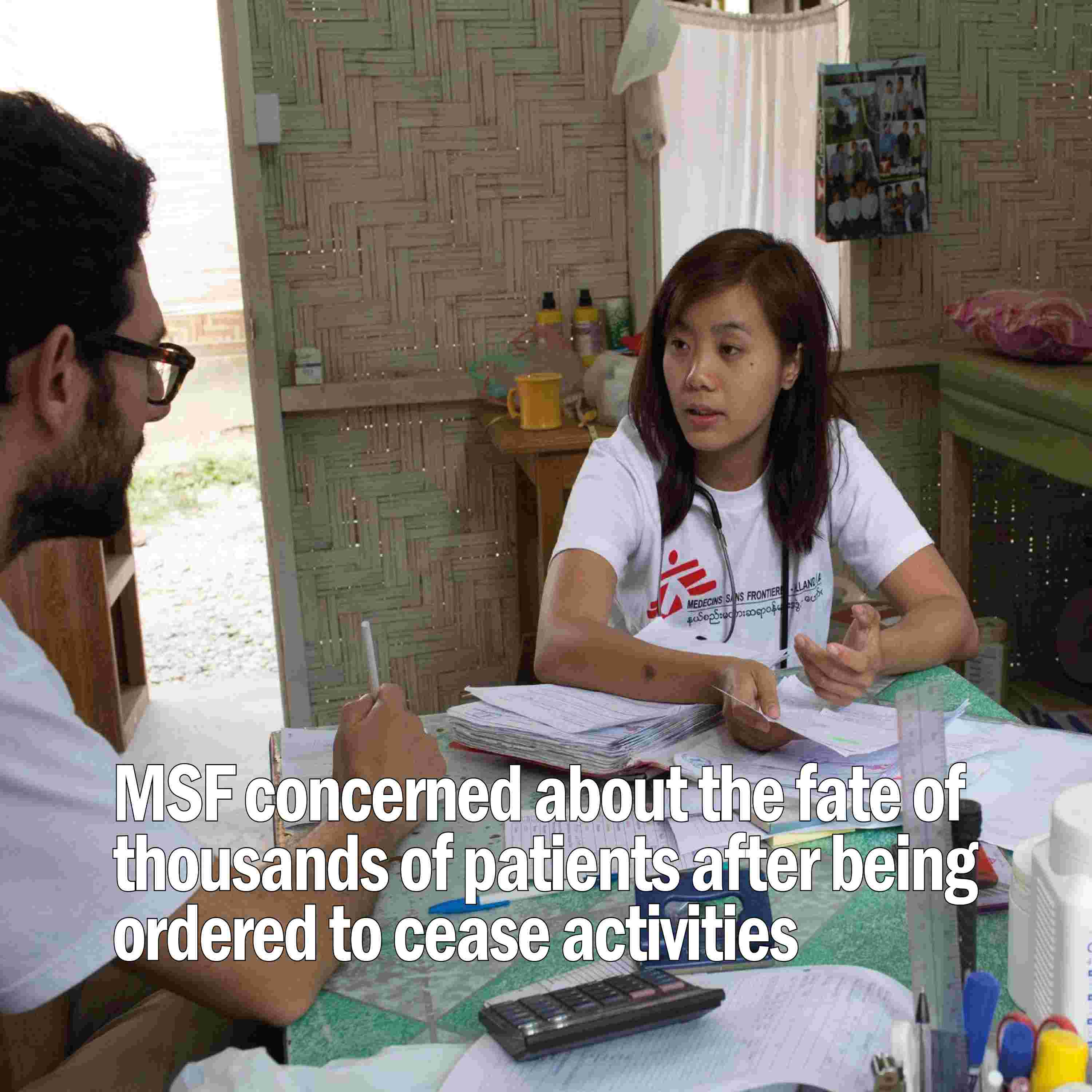
Episode 6: Under pressure in Myanmar
In January 2014, in Du Chee Yar Tan, Rakhine State, MSF OCA treats wounded Rohingya after a violent attack and issues a public statement. The Myanmar government denies the violence, pressures MSF for patient details, and accuses them of exaggeration. The next months, MSF issues cautious public statements emphasising neutrality and commitment to medical needs. Teams faced harassment, protests, and accusations of misinformation from the Myanmar government. Negotiations over the renewal of MSF’s Memorandum of Understanding in the country collapse. On 27 February 2014, MSF OCA is being ordered to close all programs in Myanmar.
This podcast series is written, produced and mixed by Andrea Rangecroft.
Editorial direction is from Nancy Barrett and Laurence Binet.
The narrator is Claire Lubert.
Extracts are read by Clive Hayward and Lucy Scott
The voiceovers are by Kevin Halliwell, Charles Nove and Alex Vincent.
The music is by Lost Harmonies and Peter Sendberg.
Photo credits: Chris Huby
A special thanks to Rian Landman
This podcast is adapted from the MSF Speaking Out Case Studies “MSF and the Rohingya 1992 – 2014”.
It brings to light two decades of MSF advocacy activities as part of its humanitarian assistance to the Rohingya people in Bangladesh and Myanmar.
It examines the difficulties the field and headquarters’ teams encountered regarding the challenges for MSF to publicly speak out for the plight of the Rohingya facing persecutions and violence in Myanmar and Bangladesh. During the 1992-2014 period, MSF worked mostly through diplomatic channels ‘behind closed doors’ to advocate for the Rohingya’s plight with foreign diplomats and UN agencies. This ‘silent advocacy’ was challenged within MSF as some felt that MSF was abandoning a persecuted population through its public silence. For them, the fact that no public witnessing of their plight was engaged despite the maintenance of an operational presence was not seen an ethically justifiable option for an independent and impartial humanitarian organisation like MSF.
To read the full study and discover other case studies, please go to our website: msf.org/speakingout
Hosted on Acast. See acast.com/privacy for more information.