
The MSF Speaking Out podcasts are a series adapted from the original Médecins Sans Frontières/Doctors Without Borders (MSF) Speaking Out Case Studies (SOCS). Like the case studies, the podcast series examines the challenges and dilemmas surrounding speaking out. The series offers an in-depth look into these humanitarian dilemmas through the narration of extracts from MSF documents and press archives to help establish the facts. Interviews with the main MSF protagonists at the time of the events also provide insight into, and analysis of, the positions adopted, including personal reflections which offer fresh perspectives.
***
MSF Speaking Out Case Studies (SOCS) is a series of case studies that openly examines and analyses the MSF’s actions and decision-making process during humanitarian emergencies that have led it to speak out or not. The SOCS project assists all MSF members, and a growing external audience in understanding how speaking out articulates with humanitarian interventions.↲
Find all 14 SOCS in English or French available for download on: https://www.msf.org/speakingout/all-case-studies
Hosted on Acast. See acast.com/privacy for more information.
The MSF Speaking Out podcasts are a series adapted from the original Médecins Sans Frontières/Doctors Without Borders (MSF) Speaking Out Case Studies (SOCS). Like the case studies, the podcast series examines the challenges and dilemmas surrounding speaking out. The series offers an in-depth look into these humanitarian dilemmas through the narration of extracts from MSF documents and press archives to help establish the facts. Interviews with the main MSF protagonists at the time of the events also provide insight into, and analysis of, the positions adopted, including personal reflections which offer fresh perspectives.
***
MSF Speaking Out Case Studies (SOCS) is a series of case studies that openly examines and analyses the MSF’s actions and decision-making process during humanitarian emergencies that have led it to speak out or not. The SOCS project assists all MSF members, and a growing external audience in understanding how speaking out articulates with humanitarian interventions.↲
Find all 14 SOCS in English or French available for download on: https://www.msf.org/speakingout/all-case-studies
Hosted on Acast. See acast.com/privacy for more information.
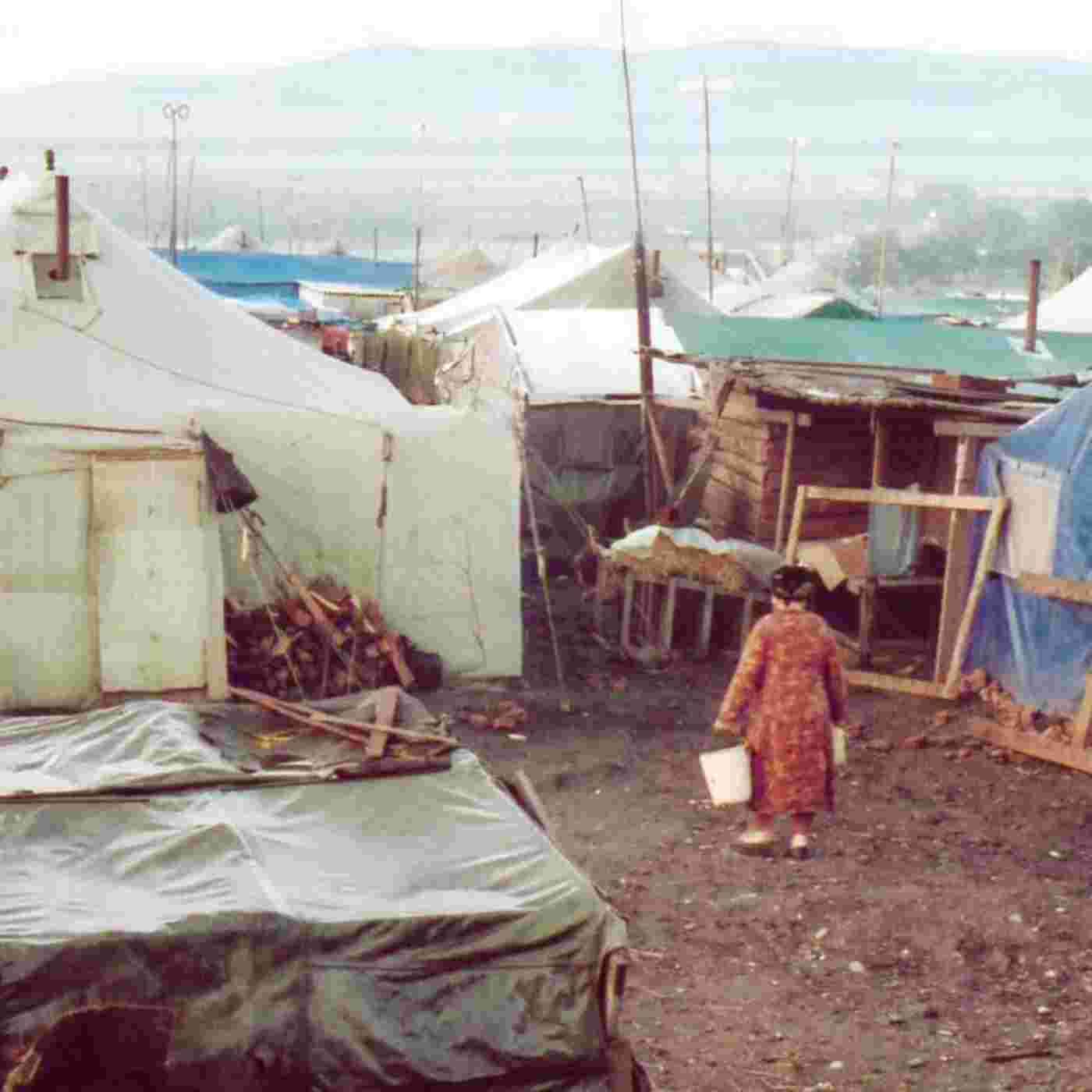
The situation in the North Caucasus is becoming increasingly violent. The Russian federal authorities are forcing Chechen refugees to return to Chechnya, where they reign terror. They are also putting pressure on humanitarian organisations to stop helping refugees in 'Ingushetia, which would encourage them to return. When colleagues at other organisations are kidnapped in Chechnya, MSF closes down all operations in the country again. With a diminishing international presence in the warzone, MSF is once again faced with dilemmas - should it continue to speak out about human rights abuses its staff haven't witnessed? How can they help those in need and in danger in the region? And how long will it be before one of their own staff is once again held hostage?
This podcast series is written, produced and mixed by Andrea Rangecroft. Interviews are recorded by Lucy Dearlove.
Editorial direction is from Nancy Barrett, Laurence Binet and Rebecca Golden Timsar.
The narrator is Nick Owen.
Extracts are read by Didi Bellos and Matthew Wade.
The voiceovers are by Lucy Dearlove and Mark Fairclough.
The music is by Lost Harmonies and Peter Sendberg.
Photo credits: © Simon Norfolk
A special thanks to Dr Alain Devaux.
This podcast is adapted from the case study “War Crimes and Politics of Terror in Chechnya, 1994 – 2004”. Over 9 episodes, it explores the challenges and dilemmas MSF faced during the two wars in Chechnya between 1994 and 2004. These wars raised many questions for MSF on when and how the organisation should speak out publicly about the war crimes its staff witness and the chilling effects of the politics of terror on the Chechen people.
Through MSF press releases, internal reports, speeches, and news articles of the time as well as eyewitness testimonies from MSF staff, this podcast series examines the challenges MSF faced when access to those in need was repeatedly blocked by the Russian authorities, forcing international staff to operate and train Caucasus teams at a distance. Later on, when staff members were kidnapped, MSF was confronted with a new dilemma - whether to raise a voice or lay low until their colleagues were released?
To read the full study and discover other case studies, please go to our website: msf.org/speakingout
Hosted on Acast. See acast.com/privacy for more information.