
While personal training is built entirely around the individual, group training operates on a "bell curve"—designed for the majority but requiring the individual to be more engaged and prepared. The Vera Strengths team discusses how to bridge the gap between being a participant and being an athlete, emphasizing that coaching is a two-way street.
Preparation is Protection: Using tools like the Team Builder app to study movements and videos before you walk through the door reduces anxiety and increases "workout acuity."
The Two-Way Street: Coaches are there to guide, but they aren’t mind readers. Asking for form checks and communicating how you slept or traveled helps coaches "triage" the floor effectively.
Movement Patterns vs. Exercises: Don’t be "married" to a specific lift. If an injury or limitation exists, focus on the movement pattern (e.g., a squat) rather than the specific tool (e.g., a barbell).
Identity Shift: The most successful members don't just "go to the gym"—they identify as people who train. They become "students of the game."
[00:00:18] The difference between Personal Training and the "Bell Curve" of Group Training.
[00:01:27] Tip #1: Why mental preparation is like learning a foreign language.
[00:04:49] Overcoming the intimidation factor and the "Sticking Point."
[00:07:21] The "Triage" Reality: Why coaches focus on certain people and how to get the attention you need.
[00:09:50] The power of active listening during the workout briefing.
[00:11:34] Using video and mirrors to fix the "Olympian in your mind" vs. reality.
[00:13:42] Communicating "Non-Injuries": How sleep, travel, and stress change your workout.
[00:17:00] Becoming a Student of the Game: Moving fitness into your identity
While personal training is built entirely around the individual, group training operates on a "bell curve"—designed for the majority but requiring the individual to be more engaged and prepared. The Vera Strengths team discusses how to bridge the gap between being a participant and being an athlete, emphasizing that coaching is a two-way street.
Preparation is Protection: Using tools like the Team Builder app to study movements and videos before you walk through the door reduces anxiety and increases "workout acuity."
The Two-Way Street: Coaches are there to guide, but they aren’t mind readers. Asking for form checks and communicating how you slept or traveled helps coaches "triage" the floor effectively.
Movement Patterns vs. Exercises: Don’t be "married" to a specific lift. If an injury or limitation exists, focus on the movement pattern (e.g., a squat) rather than the specific tool (e.g., a barbell).
Identity Shift: The most successful members don't just "go to the gym"—they identify as people who train. They become "students of the game."
[00:00:18] The difference between Personal Training and the "Bell Curve" of Group Training.
[00:01:27] Tip #1: Why mental preparation is like learning a foreign language.
[00:04:49] Overcoming the intimidation factor and the "Sticking Point."
[00:07:21] The "Triage" Reality: Why coaches focus on certain people and how to get the attention you need.
[00:09:50] The power of active listening during the workout briefing.
[00:11:34] Using video and mirrors to fix the "Olympian in your mind" vs. reality.
[00:13:42] Communicating "Non-Injuries": How sleep, travel, and stress change your workout.
[00:17:00] Becoming a Student of the Game: Moving fitness into your identity
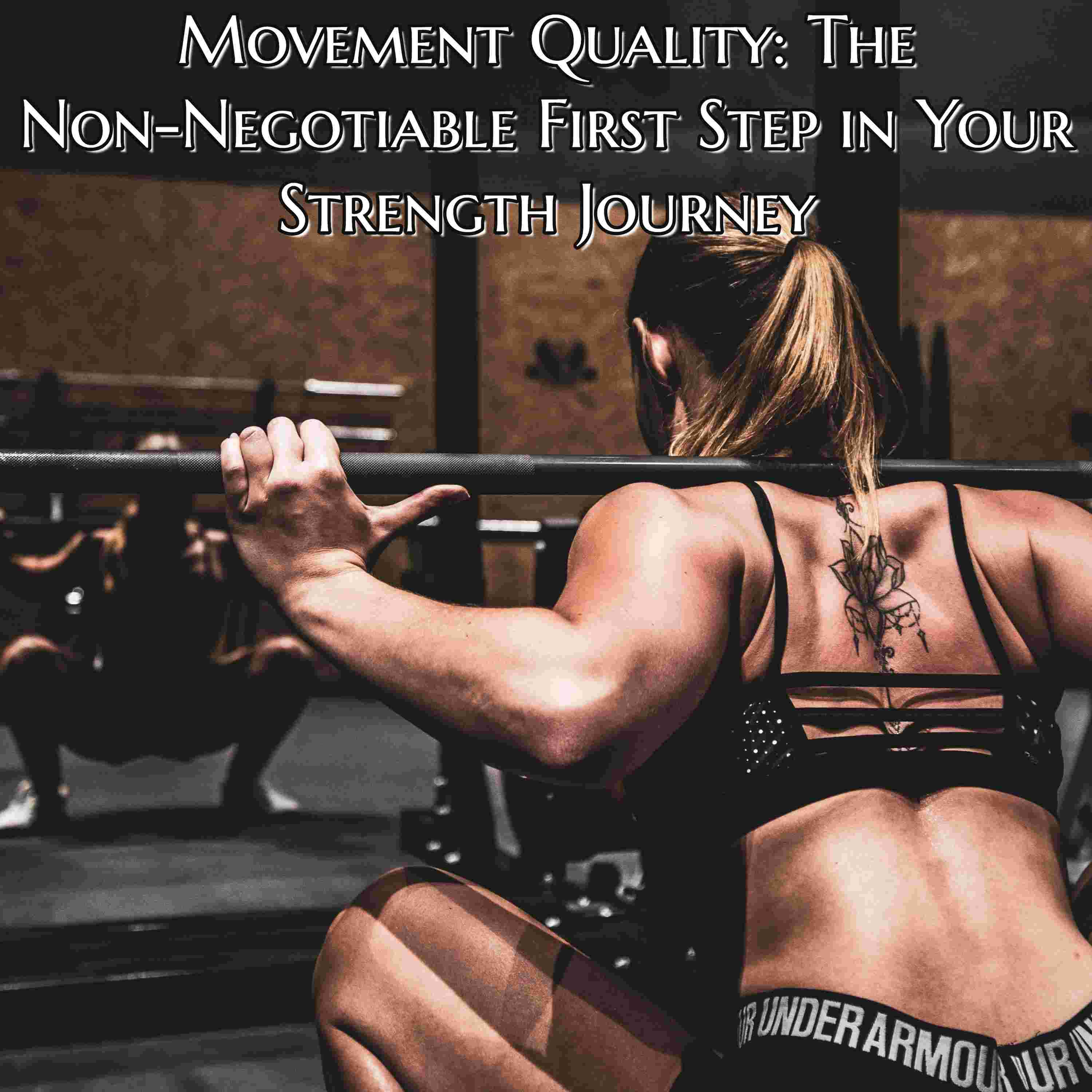
In this episode, Larry, Wendy, and Rob discuss the paramount importance of movement quality as the foundational first step in any strength training journey.
Safety First: Prioritizing good movement quality, proper range of motion, and correct execution is the immediate path to a safer training environment.
The Three-Month Principle: A general guideline for new lifters:
Month 1: Focus on learning and practicing the movements.
Month 2: Start using the movement patterns consistently.
Month 3: Begin building strength and progressing the load.
Building Muscle Effectively: You can build more muscle and achieve better long-term results by using a full range of motion, even if it means reducing the weight initially. (0:48)
The Six Fundamental Movement Patterns: The hosts highlight the key patterns that form the basis of all functional strength:
Squatting (sitting down/standing up)
Hinging (like a deadlift or bending)
Lunging (stepping back/forth)
Pressing (vertical/horizontal)
Pulling (vertical/horizontal)
Carrying
Mobility is Crucial: For many people, especially those with desk jobs ("forward society"), poor movement stems from limited hip and shoulder mobility. Addressing mobility issues with dedicated warm-ups and exercises must happen before loading the movement heavy. (3:52)
Avoid "Loading the Flaw": Doing movements under high fatigue (e.g., in a typical boot camp) or with improper form only reinforces bad patterns and increases the risk of injury. (4:33, 9:20)
Progressive Overload for Movement: If you can't squat well, start on a higher object (like a 20-inch box), strengthen that position, and then gradually lower the target over time—it's not about forcing "ass to grass." (5:26)
Program Structure for Success: The hosts' gym programming separates strength/practice days (Monday, Wednesday, Friday) from conditioning/test days (Saturday) to ensure members master the movement in a low-fatigue environment before testing it under stress. (10:14)