
While personal training is built entirely around the individual, group training operates on a "bell curve"—designed for the majority but requiring the individual to be more engaged and prepared. The Vera Strengths team discusses how to bridge the gap between being a participant and being an athlete, emphasizing that coaching is a two-way street.
Preparation is Protection: Using tools like the Team Builder app to study movements and videos before you walk through the door reduces anxiety and increases "workout acuity."
The Two-Way Street: Coaches are there to guide, but they aren’t mind readers. Asking for form checks and communicating how you slept or traveled helps coaches "triage" the floor effectively.
Movement Patterns vs. Exercises: Don’t be "married" to a specific lift. If an injury or limitation exists, focus on the movement pattern (e.g., a squat) rather than the specific tool (e.g., a barbell).
Identity Shift: The most successful members don't just "go to the gym"—they identify as people who train. They become "students of the game."
[00:00:18] The difference between Personal Training and the "Bell Curve" of Group Training.
[00:01:27] Tip #1: Why mental preparation is like learning a foreign language.
[00:04:49] Overcoming the intimidation factor and the "Sticking Point."
[00:07:21] The "Triage" Reality: Why coaches focus on certain people and how to get the attention you need.
[00:09:50] The power of active listening during the workout briefing.
[00:11:34] Using video and mirrors to fix the "Olympian in your mind" vs. reality.
[00:13:42] Communicating "Non-Injuries": How sleep, travel, and stress change your workout.
[00:17:00] Becoming a Student of the Game: Moving fitness into your identity
While personal training is built entirely around the individual, group training operates on a "bell curve"—designed for the majority but requiring the individual to be more engaged and prepared. The Vera Strengths team discusses how to bridge the gap between being a participant and being an athlete, emphasizing that coaching is a two-way street.
Preparation is Protection: Using tools like the Team Builder app to study movements and videos before you walk through the door reduces anxiety and increases "workout acuity."
The Two-Way Street: Coaches are there to guide, but they aren’t mind readers. Asking for form checks and communicating how you slept or traveled helps coaches "triage" the floor effectively.
Movement Patterns vs. Exercises: Don’t be "married" to a specific lift. If an injury or limitation exists, focus on the movement pattern (e.g., a squat) rather than the specific tool (e.g., a barbell).
Identity Shift: The most successful members don't just "go to the gym"—they identify as people who train. They become "students of the game."
[00:00:18] The difference between Personal Training and the "Bell Curve" of Group Training.
[00:01:27] Tip #1: Why mental preparation is like learning a foreign language.
[00:04:49] Overcoming the intimidation factor and the "Sticking Point."
[00:07:21] The "Triage" Reality: Why coaches focus on certain people and how to get the attention you need.
[00:09:50] The power of active listening during the workout briefing.
[00:11:34] Using video and mirrors to fix the "Olympian in your mind" vs. reality.
[00:13:42] Communicating "Non-Injuries": How sleep, travel, and stress change your workout.
[00:17:00] Becoming a Student of the Game: Moving fitness into your identity
Key Discussion Points:
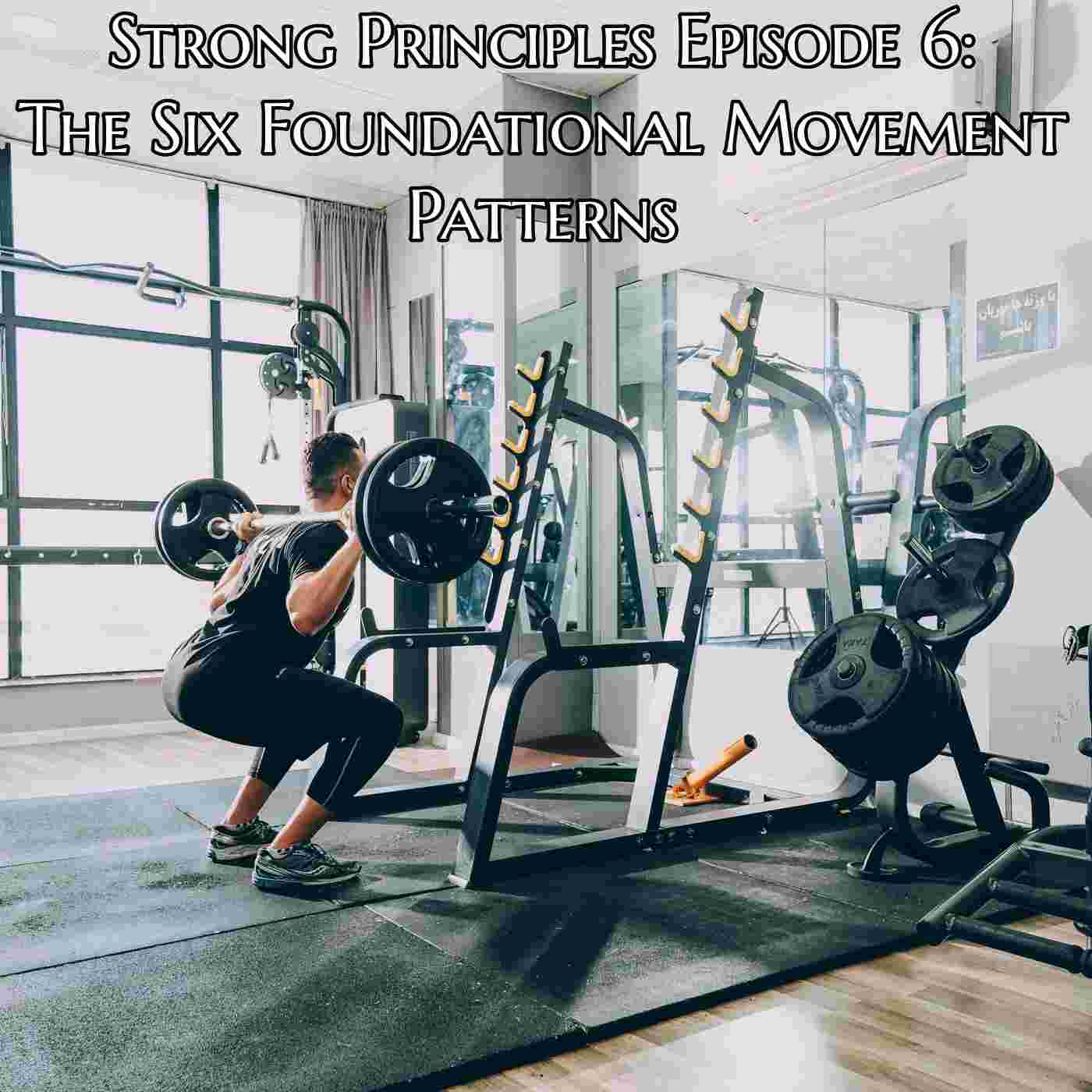
Squat: The hosts agree that the barbell back squat is their favorite due to its systemic strength benefits. However, they emphasize the importance of using variations like the goblet squat, box squat, and Zercher squat for beginners, individuals with mobility issues, or those with back concerns. They also touch on why they don't consider the leg press to be a true squat pattern.
Lunge: The Zercher reverse lunge and single-arm front rack reverse lunge are highlighted as favorites. They explain how the reverse lunge is easier on the knees and promotes better posterior chain development compared to the forward lunge.
Pull (Horizontal): The seal row is their top choice for a horizontal pull, praised for its ability to build a strong upper back and its low-impact nature on the lower back. They also mention advanced variations like the bird dog row.
Press (Horizontal): The hosts differ slightly on their top pick. Rob favors the single-arm kettlebell floor press for its stability benefits, while Zach's current favorite is the dumbbell incline bench press, citing new studies on chest activation. They also give an honorable mention to push-ups for their shoulder health benefits.
Hinge: The trap bar deadlift is the shared favorite for the hinge pattern. They discuss how it's a safer and more user-friendly alternative to the traditional barbell deadlift, allowing for better force application and reducing the risk of injury.
Carry: The farmer's carry is unanimously chosen as the favorite carry exercise. Zach adds a twist by preferring a mixed-weight farmer's carry for greater core engagement. They emphasize the functional nature of carries and give an honorable mention to the heavy sandbag bear hug carry.