Jakarta is said to be in a water crisis. This is a familiar claim that has been repeated for years as parts of the city sink, groundwater is over-extracted, and access to clean water remains uneven. Yet what, precisely, is the crisis that Jakarta is facing?
In this episode of Talking Indonesia, I speak with Wahyu Astuti, a PhD candidate at the University of Sydney, whose research shows that Jakarta’s water crisis is not singular, but defined in multiple and competing ways. She traces how certain framings of the crisis are sidelined, while others are actively promoted, and asks how the state narrates the water problem amid pressures to move away from privatization.
Following UN-Habitat’s recent designation of Jakarta and the surrounding regions as the world’s largest city, with an estimated 42 million people across its metropolitan region, questions of how life is sustained at this scale become unavoidable. Water sits at the centre of these questions. This conversation unpacks the political and financial logics shaping water governance today, revealing how efforts to make water provision financially viable draw in different levels of government, new institutional arrangements, investment actors, and private businesses.
As Ayu’s research makes clear, the drive to build a water system that can “pay for itself” does not resolve Jakarta’s water crisis. Instead, it produces a governance system riddled with contradictions that shapes how the crisis is understood, and who ultimately bears its consequences.
In 2025, the Talking Indonesia podcast is co-hosted by Dr Elisabeth Kramer from the University of New South Wales, Dr Clara Siagian from University College London, Dr Jemma Purdey from the Australia-Indonesia Centre, Dr Tito Ambyo from RMIT, and Dr Jacqui Baker from Murdoch University.
All content for Talking Indonesia is the property of Talking Indonesia and is served directly from their servers
with no modification, redirects, or rehosting. The podcast is not affiliated with or endorsed by Podjoint in any way.
Jakarta is said to be in a water crisis. This is a familiar claim that has been repeated for years as parts of the city sink, groundwater is over-extracted, and access to clean water remains uneven. Yet what, precisely, is the crisis that Jakarta is facing?
In this episode of Talking Indonesia, I speak with Wahyu Astuti, a PhD candidate at the University of Sydney, whose research shows that Jakarta’s water crisis is not singular, but defined in multiple and competing ways. She traces how certain framings of the crisis are sidelined, while others are actively promoted, and asks how the state narrates the water problem amid pressures to move away from privatization.
Following UN-Habitat’s recent designation of Jakarta and the surrounding regions as the world’s largest city, with an estimated 42 million people across its metropolitan region, questions of how life is sustained at this scale become unavoidable. Water sits at the centre of these questions. This conversation unpacks the political and financial logics shaping water governance today, revealing how efforts to make water provision financially viable draw in different levels of government, new institutional arrangements, investment actors, and private businesses.
As Ayu’s research makes clear, the drive to build a water system that can “pay for itself” does not resolve Jakarta’s water crisis. Instead, it produces a governance system riddled with contradictions that shapes how the crisis is understood, and who ultimately bears its consequences.
In 2025, the Talking Indonesia podcast is co-hosted by Dr Elisabeth Kramer from the University of New South Wales, Dr Clara Siagian from University College London, Dr Jemma Purdey from the Australia-Indonesia Centre, Dr Tito Ambyo from RMIT, and Dr Jacqui Baker from Murdoch University.
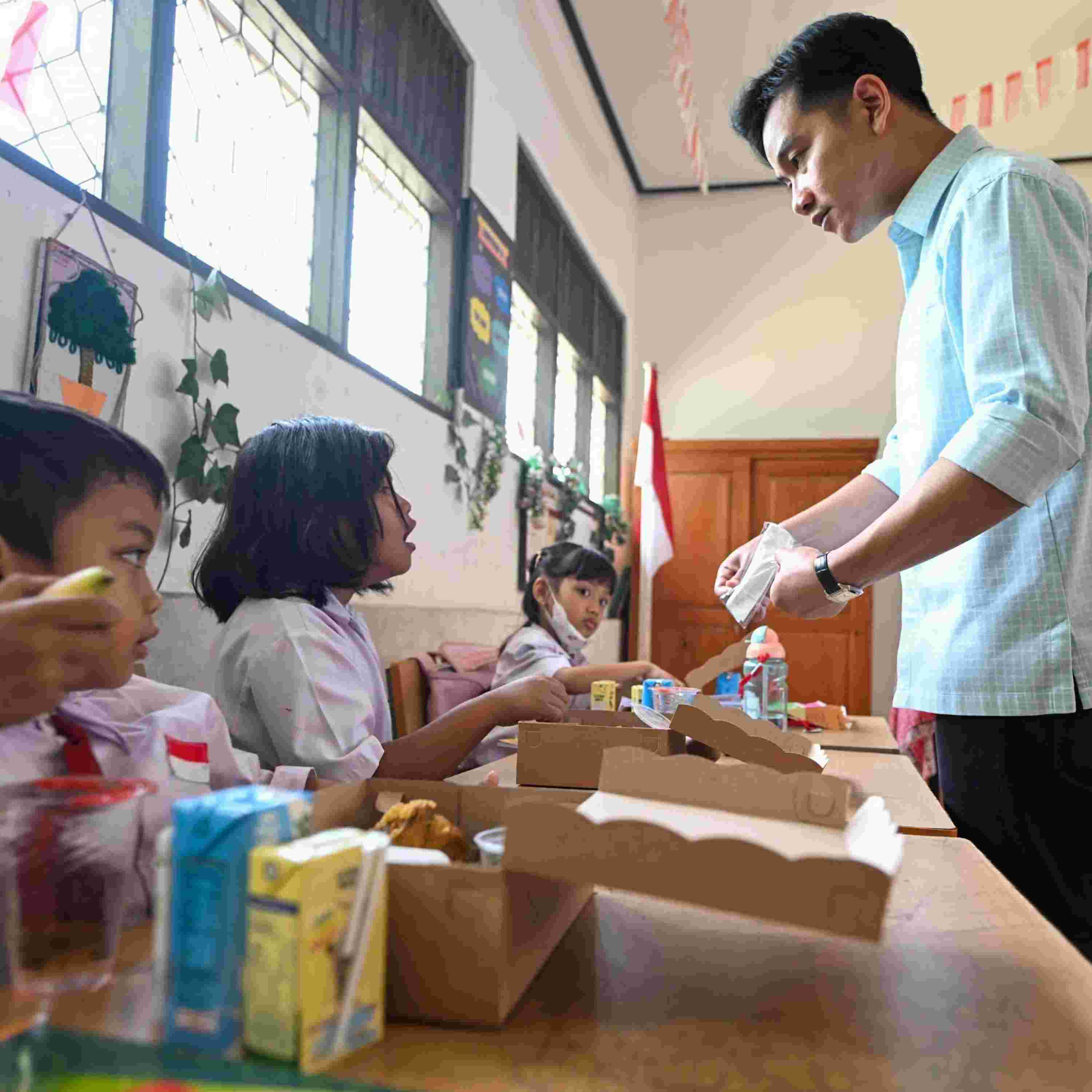
Irma Hidayana - Free Nutritious Meals Program by Talking Indonesia
Talking Indonesia
Jakarta is said to be in a water crisis. This is a familiar claim that has been repeated for years as parts of the city sink, groundwater is over-extracted, and access to clean water remains uneven. Yet what, precisely, is the crisis that Jakarta is facing?
In this episode of Talking Indonesia, I speak with Wahyu Astuti, a PhD candidate at the University of Sydney, whose research shows that Jakarta’s water crisis is not singular, but defined in multiple and competing ways. She traces how certain framings of the crisis are sidelined, while others are actively promoted, and asks how the state narrates the water problem amid pressures to move away from privatization.
Following UN-Habitat’s recent designation of Jakarta and the surrounding regions as the world’s largest city, with an estimated 42 million people across its metropolitan region, questions of how life is sustained at this scale become unavoidable. Water sits at the centre of these questions. This conversation unpacks the political and financial logics shaping water governance today, revealing how efforts to make water provision financially viable draw in different levels of government, new institutional arrangements, investment actors, and private businesses.
As Ayu’s research makes clear, the drive to build a water system that can “pay for itself” does not resolve Jakarta’s water crisis. Instead, it produces a governance system riddled with contradictions that shapes how the crisis is understood, and who ultimately bears its consequences.
In 2025, the Talking Indonesia podcast is co-hosted by Dr Elisabeth Kramer from the University of New South Wales, Dr Clara Siagian from University College London, Dr Jemma Purdey from the Australia-Indonesia Centre, Dr Tito Ambyo from RMIT, and Dr Jacqui Baker from Murdoch University.