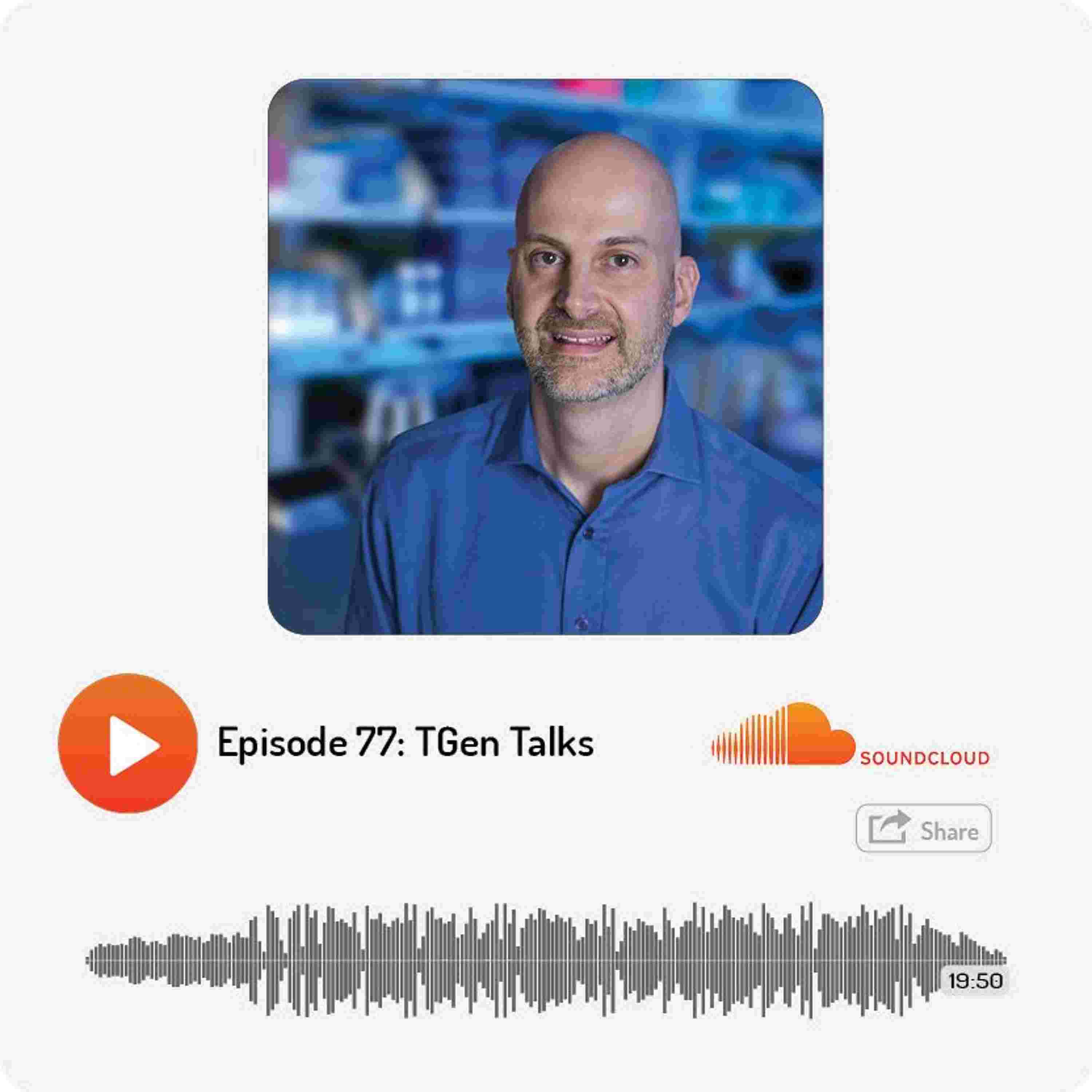
Why do some people stay mentally sharp well into their seventies and eighties, while others begin to struggle with memory much earlier in life? MindCrowd, an ambitious online brain study created at TGen, set out to explore that question more than a decade ago. Instead of bringing small groups of volunteers into a lab, Matt Huentelman, Ph.D., and his team did something almost unheard of at the time: they opened the study to anyone with an internet connection. In just a few minutes, participants answered basic questions and completed simple tasks that measured memory and reaction time.
Over time, those millions of data points have revealed how thinking, learning, and remembering evolve across the human lifespan. Today, MindCrowd is nearing an extraordinary milestone: one million participants. That massive, global dataset representing people of all ages, backgrounds, and countries has made possible discoveries that simply couldn’t be captured in traditional studies.
Researchers have seen clear patterns in how response time changes with age, consistent performance differences between men and women, and even surprising findings about participants with high blood pressure. And despite our widespread fears about Alzheimer’s and dementia, MindCrowd reinforces a hopeful truth: roughly 87 percent of us will not experience dementia in our lifetime.
As the project approaches the one-million mark, Dr. Huentelman joins us to talk about what study’s already taught us, the outliers who intrigue him most, why identifying the factors that protect, or challenge, our brain health matters to every one of us, and how this work moves us closer to the goal of precision aging.
All content for TGen Talks is the property of TGen and is served directly from their servers
with no modification, redirects, or rehosting. The podcast is not affiliated with or endorsed by Podjoint in any way.
Why do some people stay mentally sharp well into their seventies and eighties, while others begin to struggle with memory much earlier in life? MindCrowd, an ambitious online brain study created at TGen, set out to explore that question more than a decade ago. Instead of bringing small groups of volunteers into a lab, Matt Huentelman, Ph.D., and his team did something almost unheard of at the time: they opened the study to anyone with an internet connection. In just a few minutes, participants answered basic questions and completed simple tasks that measured memory and reaction time.
Over time, those millions of data points have revealed how thinking, learning, and remembering evolve across the human lifespan. Today, MindCrowd is nearing an extraordinary milestone: one million participants. That massive, global dataset representing people of all ages, backgrounds, and countries has made possible discoveries that simply couldn’t be captured in traditional studies.
Researchers have seen clear patterns in how response time changes with age, consistent performance differences between men and women, and even surprising findings about participants with high blood pressure. And despite our widespread fears about Alzheimer’s and dementia, MindCrowd reinforces a hopeful truth: roughly 87 percent of us will not experience dementia in our lifetime.
As the project approaches the one-million mark, Dr. Huentelman joins us to talk about what study’s already taught us, the outliers who intrigue him most, why identifying the factors that protect, or challenge, our brain health matters to every one of us, and how this work moves us closer to the goal of precision aging.
Scientists have long known that farm chemicals can be harmful to human health. Many lawn and garden products used by consumers carry warnings, so that users can protect themselves when applying herbicides in their own yards. But which chemicals are the most dangerous? And how much exposure is too much to be considered safe?
A new study from TGEN and Arizona State University is shedding light on glyphosate, a common chemical in many herbicides, and its findings indicate that not only does glyphosate cross the blood brain barrier, but its damaging effects on the brain can remain long after the exposure.
Patrick Pirrotte, Ph.D., and colleagues at Arizona State University have identified an association between glyphosate exposure and symptoms of neuroinflammation, as well as accelerated Alzheimer’s disease-like pathology.
The study tracks both the presence and impact of glyphosate’s byproducts in the brain long after exposure ends, showing an array of persistent, damaging effects on brain health.
Listen as Dr. Pirrotte discusses the methods used in the research and how the pervasive use of such chemicals means that most Americans, even those who have no exposure to farms or the application of such herbicides have traces of the harmful compounds in their bodies.
TGen Talks
Why do some people stay mentally sharp well into their seventies and eighties, while others begin to struggle with memory much earlier in life? MindCrowd, an ambitious online brain study created at TGen, set out to explore that question more than a decade ago. Instead of bringing small groups of volunteers into a lab, Matt Huentelman, Ph.D., and his team did something almost unheard of at the time: they opened the study to anyone with an internet connection. In just a few minutes, participants answered basic questions and completed simple tasks that measured memory and reaction time.
Over time, those millions of data points have revealed how thinking, learning, and remembering evolve across the human lifespan. Today, MindCrowd is nearing an extraordinary milestone: one million participants. That massive, global dataset representing people of all ages, backgrounds, and countries has made possible discoveries that simply couldn’t be captured in traditional studies.
Researchers have seen clear patterns in how response time changes with age, consistent performance differences between men and women, and even surprising findings about participants with high blood pressure. And despite our widespread fears about Alzheimer’s and dementia, MindCrowd reinforces a hopeful truth: roughly 87 percent of us will not experience dementia in our lifetime.
As the project approaches the one-million mark, Dr. Huentelman joins us to talk about what study’s already taught us, the outliers who intrigue him most, why identifying the factors that protect, or challenge, our brain health matters to every one of us, and how this work moves us closer to the goal of precision aging.