In this episode of the Ways of Knowing podcast, hosts Jamie Barnes and Will Hood explore the concept that there are multiple ways of knowing the same physical place. Jamie discusses his visit to Wakehurst gardens, the scientific endeavors taking place there, and considers the importance of phenomenology in understanding the experiences of different species. The conversation also delves into Charles Foster's unique approach to living as various animals, emphasizing the significance of curiosity and empathy in fostering a deeper connection with nature.
Links:
Nature Unlocked, the Landscape Ecology Programme at Wakehurst, which includes information about the living laboratory
https://www.kew.org/wakehurst/nature-unlocked
The IPBES report that Becca mentions about the different ways in which nature is valued
https://www.ipbes.net/media_release/Values_Assessment_Published
And the full report is here
https://www.unep.org/resources/report/assessment-report-diverse-values-and-valuation-nature
Jamie's Day with a tree
https://prezi.com/view/j7matY4BjAxKJSYRQLf8/
Charles Foster's book, Being a Beast
https://profilebooks.com/work/being-a-beast/
Thomas Nagel's seminal work What is it like to be a bat?
https://www.jstor.org/stable/2183914?seq=1
Robin Wall Kimmerer's brilliant book, Braiding Sweetgrass: Indigenous
Wisdom, Scientific Knowledge, and the Teachings of Plants, where she
weaves together three different ways of knowing the world
https://www.penguin.co.uk/books/316088/braiding-sweetgrass-by-kimmerer-
robin-wall/9780141991955
And Kimmerer's much shorter book, The Democracy of Species
https://www.penguin.co.uk/books/443658/the-
democracy-of-species-by-kimmerer-robin-wall/9780141997049
David Abram's The Spell of the Sensuous: Perception and Language in a
More-Than-Human World resonates strongly with Charles Foster's ideas of a
wild world within which we are already immersed (if we only knew it)
https://www.penguinrandomhouse.com/books/319/the-spell-of-the-sensuous-by-david-abram/
For an excellent introduction to the rich and varied sensory worlds of animals,
see Ed Yong's An Immense World: How Animal Senses Reveal the Hidden
Realms Around Us
https://www.penguin.co.uk/books/440513/an-immense-
world-by-yong-ed/9781529112115
We hope to press in to the idea of 'umwelt' that Yong introduces in a future episode.
All content for The Academic Podcast Agency is the property of The Academic Podcast Agency and is served directly from their servers
with no modification, redirects, or rehosting. The podcast is not affiliated with or endorsed by Podjoint in any way.
In this episode of the Ways of Knowing podcast, hosts Jamie Barnes and Will Hood explore the concept that there are multiple ways of knowing the same physical place. Jamie discusses his visit to Wakehurst gardens, the scientific endeavors taking place there, and considers the importance of phenomenology in understanding the experiences of different species. The conversation also delves into Charles Foster's unique approach to living as various animals, emphasizing the significance of curiosity and empathy in fostering a deeper connection with nature.
Links:
Nature Unlocked, the Landscape Ecology Programme at Wakehurst, which includes information about the living laboratory
https://www.kew.org/wakehurst/nature-unlocked
The IPBES report that Becca mentions about the different ways in which nature is valued
https://www.ipbes.net/media_release/Values_Assessment_Published
And the full report is here
https://www.unep.org/resources/report/assessment-report-diverse-values-and-valuation-nature
Jamie's Day with a tree
https://prezi.com/view/j7matY4BjAxKJSYRQLf8/
Charles Foster's book, Being a Beast
https://profilebooks.com/work/being-a-beast/
Thomas Nagel's seminal work What is it like to be a bat?
https://www.jstor.org/stable/2183914?seq=1
Robin Wall Kimmerer's brilliant book, Braiding Sweetgrass: Indigenous
Wisdom, Scientific Knowledge, and the Teachings of Plants, where she
weaves together three different ways of knowing the world
https://www.penguin.co.uk/books/316088/braiding-sweetgrass-by-kimmerer-
robin-wall/9780141991955
And Kimmerer's much shorter book, The Democracy of Species
https://www.penguin.co.uk/books/443658/the-
democracy-of-species-by-kimmerer-robin-wall/9780141997049
David Abram's The Spell of the Sensuous: Perception and Language in a
More-Than-Human World resonates strongly with Charles Foster's ideas of a
wild world within which we are already immersed (if we only knew it)
https://www.penguinrandomhouse.com/books/319/the-spell-of-the-sensuous-by-david-abram/
For an excellent introduction to the rich and varied sensory worlds of animals,
see Ed Yong's An Immense World: How Animal Senses Reveal the Hidden
Realms Around Us
https://www.penguin.co.uk/books/440513/an-immense-
world-by-yong-ed/9781529112115
We hope to press in to the idea of 'umwelt' that Yong introduces in a future episode.
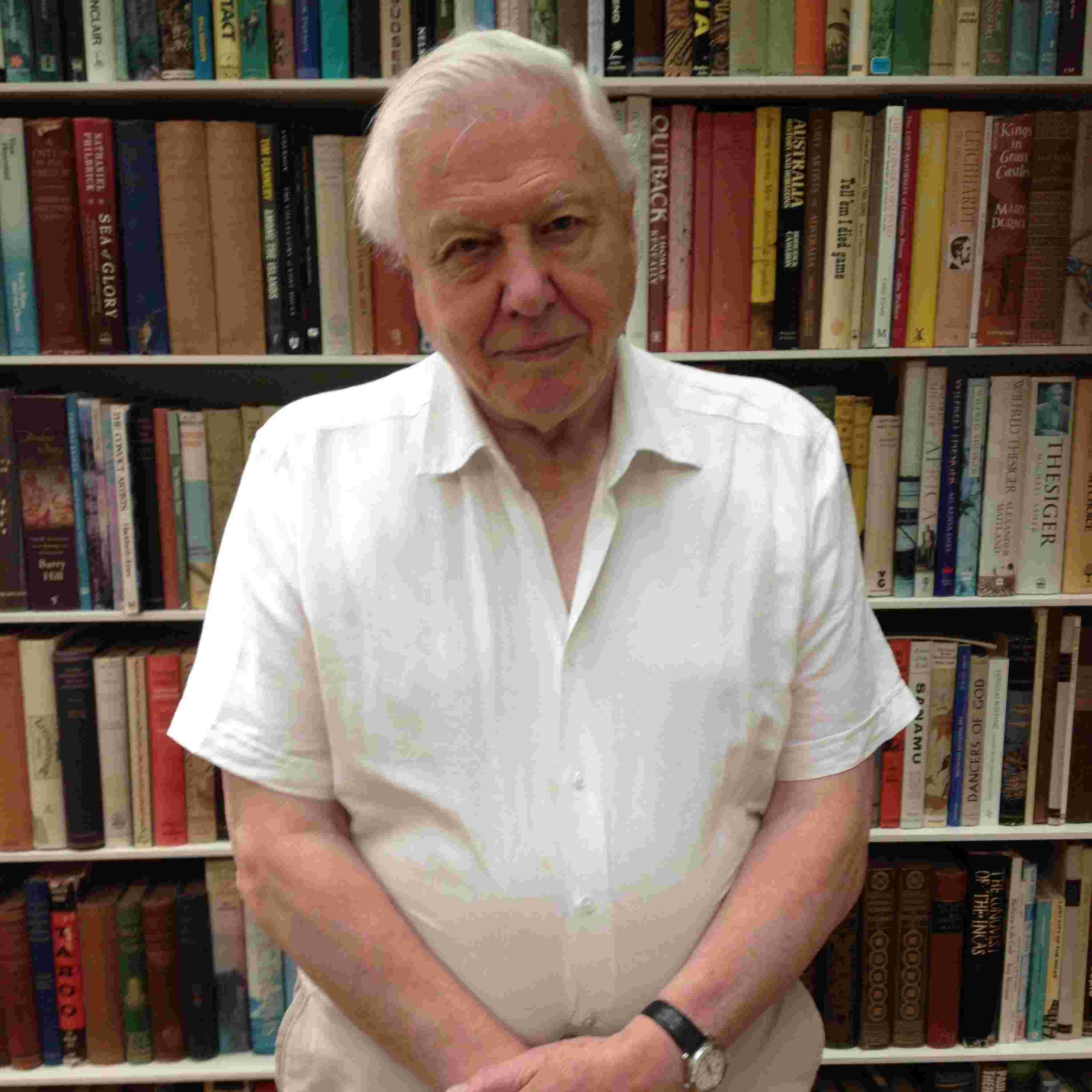
A two part candid conversation with much loved broadcasting legend David Attenborough and Will Hood (courtesy of the Glass Bead Game podcast series - recorded on the 20th July 2015)
The Academic Podcast Agency
In this episode of the Ways of Knowing podcast, hosts Jamie Barnes and Will Hood explore the concept that there are multiple ways of knowing the same physical place. Jamie discusses his visit to Wakehurst gardens, the scientific endeavors taking place there, and considers the importance of phenomenology in understanding the experiences of different species. The conversation also delves into Charles Foster's unique approach to living as various animals, emphasizing the significance of curiosity and empathy in fostering a deeper connection with nature.
Links:
Nature Unlocked, the Landscape Ecology Programme at Wakehurst, which includes information about the living laboratory
https://www.kew.org/wakehurst/nature-unlocked
The IPBES report that Becca mentions about the different ways in which nature is valued
https://www.ipbes.net/media_release/Values_Assessment_Published
And the full report is here
https://www.unep.org/resources/report/assessment-report-diverse-values-and-valuation-nature
Jamie's Day with a tree
https://prezi.com/view/j7matY4BjAxKJSYRQLf8/
Charles Foster's book, Being a Beast
https://profilebooks.com/work/being-a-beast/
Thomas Nagel's seminal work What is it like to be a bat?
https://www.jstor.org/stable/2183914?seq=1
Robin Wall Kimmerer's brilliant book, Braiding Sweetgrass: Indigenous
Wisdom, Scientific Knowledge, and the Teachings of Plants, where she
weaves together three different ways of knowing the world
https://www.penguin.co.uk/books/316088/braiding-sweetgrass-by-kimmerer-
robin-wall/9780141991955
And Kimmerer's much shorter book, The Democracy of Species
https://www.penguin.co.uk/books/443658/the-
democracy-of-species-by-kimmerer-robin-wall/9780141997049
David Abram's The Spell of the Sensuous: Perception and Language in a
More-Than-Human World resonates strongly with Charles Foster's ideas of a
wild world within which we are already immersed (if we only knew it)
https://www.penguinrandomhouse.com/books/319/the-spell-of-the-sensuous-by-david-abram/
For an excellent introduction to the rich and varied sensory worlds of animals,
see Ed Yong's An Immense World: How Animal Senses Reveal the Hidden
Realms Around Us
https://www.penguin.co.uk/books/440513/an-immense-
world-by-yong-ed/9781529112115
We hope to press in to the idea of 'umwelt' that Yong introduces in a future episode.