
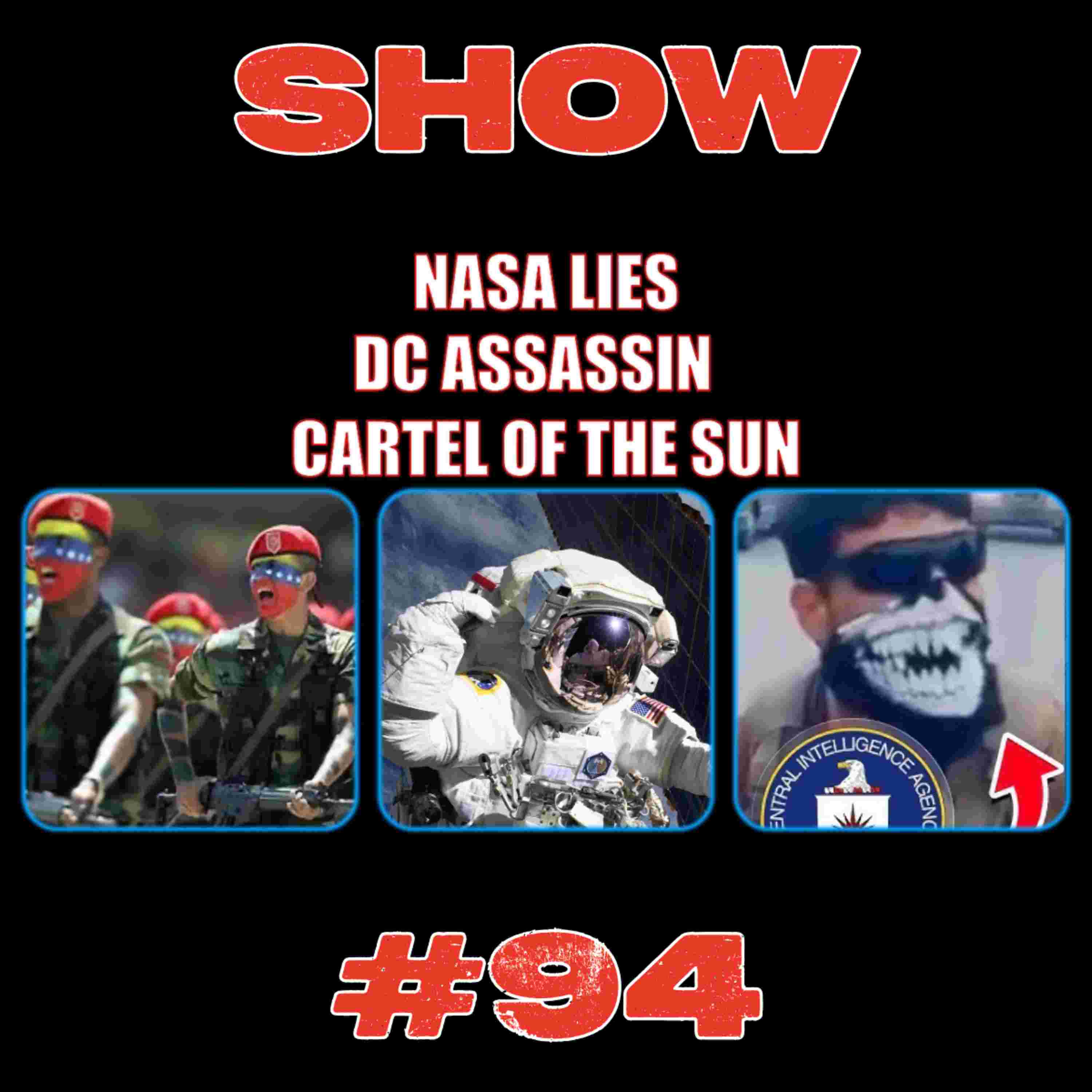
Episode Focus: The Psychology of Disinformation and Narrative ControlThis episode moves beyond surface-level media reports to conduct a rigorous, EDSA-compliant analysis of how high-stakes, unverified claims and geopolitical maneuvers shape public perception and regulatory responses. We treat these controversial subjects as case studies in narrative engineering.Segment I: Political Narratives and Strategic ProvocationWe dissect the surrounding narratives of alleged threats against Candace Owens and the implications of the DC National Guard shooting. This includes investigating the suspect's background in CIA-backed foreign units (KSF/Zero Units) and discussing the political theory of strategic provocation—the intentional creation of a threat to justify a predetermined policy goal (e.g., increased domestic surveillance or foreign intervention).Segment II: Resource Control and Crisis NarrativesVenezuela Analysis: We investigate the geopolitical incentive drivers behind US posturing toward Venezuela, analyzing the historical context of the alleged "Cartel of the Suns" and resource control (oil/banking) versus official narratives (drugs/democracy).The Challenger Theory: We pivot to a sociological and psychological analysis of crisis events by examining the persistent Challenger disaster doppelgänger narrative. We analyze why these theories—involving claims of identity duplication and coincidental names—gain traction and persist in public memory, challenging the official Rogers Commission Report.Compliance & Sourcing Note: This discussion focuses on the legal, sociological, and historical context of public narratives. We ensure comprehensive coverage by discussing the factual basis of intelligence operations (Iran-Contra), documented disaster reports (NASA), and official statements, while analyzing the claims made in the public sphere. Viewers are encouraged to consult authoritative sources such as CRS Reports and academic studies on policy incentives.