
When you've been diagnosed with elevated blood pressure, you might be worried about taking drugs to attract down your amounts.
Lifestyle plays a significant part in treating high blood pressure. If you control your blood pressure using a healthy lifestyle, you might prevent, postpone or reduce the need.
Number-1. Lose extra pounds and watch your waistline.
Blood pressure frequently increases as weight increases.
Fat loss is among the utmost effective lifestyle changes for controlling blood pressure. Losing a small amount of weight in case you're fat or overweight can help reduce your blood pressure. Generally, you may lower your blood pressure by roughly 1 millimeter of mercury (mm Hg) with each kilogram (about 2.2 pounds) of weight that you lose.
Besides shedding pounds, you generally should keep an eye on your waistline. Carrying a lot of weight around your midsection can put you at risk of elevated blood pressure.
Guys are at risk if their waist measurement is greater than 40 inches (102 centimeters).
These amounts vary among cultural groups. Consult your physician about a wholesome waist dimension for you.
No Two. Exercise regularly.
Routine physical activity -- such as 150 minutes weekly, roughly 30 minutes most days of the week -- can decrease your blood pressure by about 5 to 2 millimeter Hg if you've got elevated blood pressure. It's critical to be consistent since in case you quit exercising, your blood pressure could rise again.
Number 3. Eat a nutritious diet.
Eating a diet that is rich in whole grains, fruits, vegetables, veggies and low-fat dairy food and skimps on saturated fat and cholesterol may decrease your blood pressure up to 11 millimeter Hg if you've got elevated blood pressure.
No Four. Reduce salt in your diet plan program.
Even a small reduction in the sodium in your diet may improve your overall health and reduce blood pressure by about 5 to 6 mm Hg if you have elevated blood pressure.
# 5. Limit the amount of alcohol you drink.
Alcohol could be both good and bad for your health. By drinking alcohol only in moderation 1 drink a day for females, or two each day you have the potential to decrease your blood pressure by approximately 4 mm Hg.
No 6. Quit smoking.
Each cigarette that you smoke increases your blood pressure for a lot of seconds after you are finished. Quitting smoking helps the blood pressure return to normal. Stopping smoking may lower your risk of cardiovascular disease and improve your health. May live longer than those who never quit smoking.
No 7: Cut down caffeine.
The role caffeine plays in blood pressure continues to be debated. Caffeine can raise blood pressure up to 10 mm Hg in people who infrequently consume it. But may experience little or no effect in the blood pressure.
No 8: lessen your stress.
Chronic stress may promote elevated blood pressure. Research is required to find out the consequences of chronic stress on blood pressure. Occasional stress also can lead to elevated blood pressure in the event you answer stress by eating food, alcohol consumption or smoking.
Take some time to think about what causes you to feel stressed, such as work, family, finances or disease. Knowing what's causing your stress, consider how you can eradicate or reduce stress.
No 9: Monitor your blood pressure at home and visit your doctor regularly.
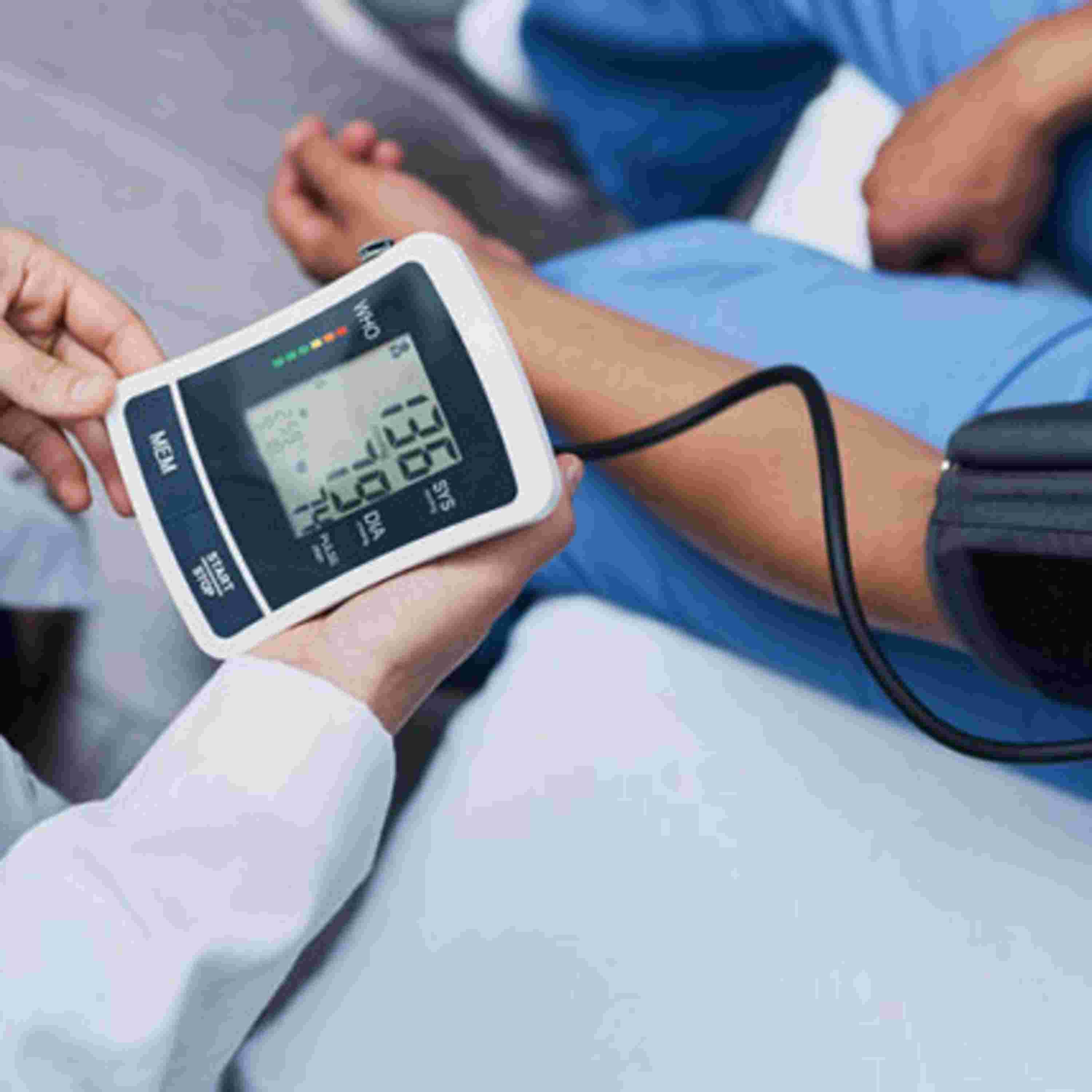
Home tracking can allow you to keep tabs on your own blood pressure, make certain your changes in lifestyle will work, and also alert you and your physician to potential health complications.
Regular visits with your physician are also key for controlling your blood pressure. Your doctor may suggest checking it daily or less usually.
Tag: the HBM Experience, What the Health