
Creating effective training programs is vital for personal trainers to optimize client success and satisfaction. A well-structured program addresses individual goals like weight loss, muscle gain, or athletic improvement, while considering clients' needs, limitations, and preferences (Smith & Jones, 2021). This is especially important in niche markets, such as training older adults or athletes, where understanding specific physiological and psychological factors ensures safe and effective programming (Johnson, 2020). In an era of information overload and diverse training trends, trainers must develop evidence-based programs combining strength, conditioning, and recovery to boost motivation, reduce injury risk, and encourage long-term adherence. Continuous education and adapting to new research further cement the trainer's role as a knowledgeable guide (Brown, 2021).
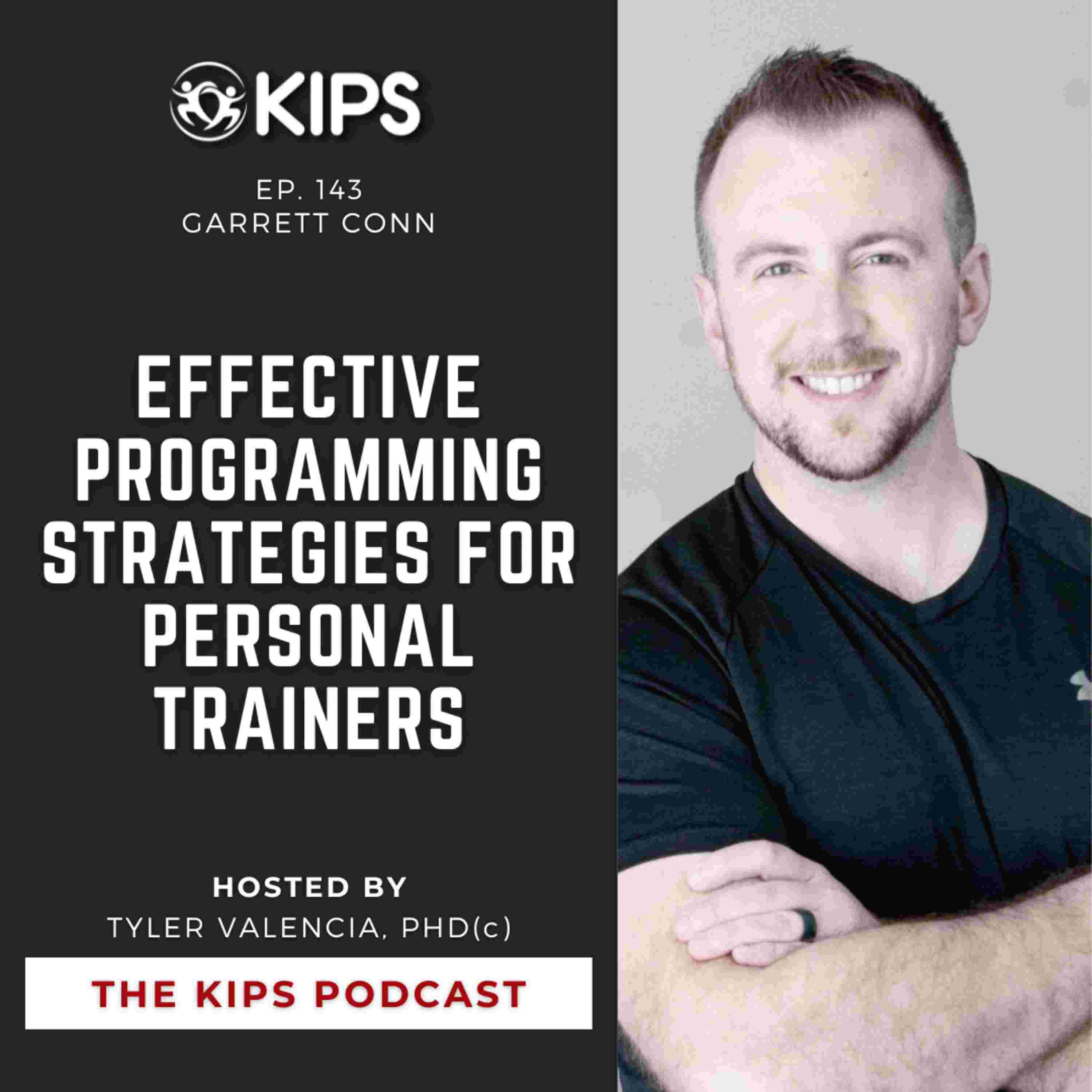
Guest Garrett Conn joins the KIPS Podcast to share his insights on program design and how new trainers can improve this essential skill. Garrett Conn owns Conn Human Performance, with over 12 years of experience in human performance and strength & conditioning. He guides clients in athletics, injury recovery, or fitness through support, education, and enjoyment.
What is program design?
Program design for personal trainers refers to the structured approach to creating personalized fitness regimens tailored to clients' individual needs, goals, and capabilities. It involves assessing each client’s current fitness level, understanding their specific objectives—such as weight loss, muscle gain, or improved athletic performance—and incorporating various training modalities to enhance overall effectiveness (Smith, 2020). A well-designed program also considers factors such as exercise selection, progression, frequency, and recovery, ensuring that clients remain engaged while achieving their goals. Essential elements of program design include the principles of progressive overload, specificity, and individualization, allowing trainers to adapt programs as clients progress and their needs evolve (Johnson & Lee, 2021). Ultimately, effective program design fosters a supportive environment that not only enhances client satisfaction but also promotes long-term adherence to fitness routines (Thompson, 2019).
Learn about Garrett - CLICK HERE.
Follow Garrett - CLICK HERE.
Join our email list - CLICK HERE.
KIPS on Instagram -CLICK HERE.
KIPS Education Courses -CLICK HERE.