March 16th marked the 57th anniversary of the unspeakable My Lai Massacre perpetrated by the United States Army during the Vietnam War. This tragedy saw over 500 civilians including 200 children slaughtered in the most barbaric way. Make no mistake, atrocities in the name of US imperialism like this are not uncommon, this massacre was only the first documented on camera for the American public to see. It galvanized the anti-War movement in the 60s.
Visit us at:
Peoples School for Marxist-Leninist Studies: peoplesschool.us
Party of Communists USA: partyofcommunistsusa.net
New Outlook Publishers: newoutlookpublishers.store
Timestamps:
0:00 Introduction
0:44 Section 1 - Causes and Conditions
4:47 Q&A 1
9:52 Section 2 - The Massacre Itself
30:53 Q&A 2
42:14 Section 3 - Role of Journalism in Exposing War Crimes and Sparking Anti-War Movements
1:06:20 Conclusion
All content for The People’s School for Marxist-Leninist Studies is the property of PSMLS and is served directly from their servers
with no modification, redirects, or rehosting. The podcast is not affiliated with or endorsed by Podjoint in any way.
March 16th marked the 57th anniversary of the unspeakable My Lai Massacre perpetrated by the United States Army during the Vietnam War. This tragedy saw over 500 civilians including 200 children slaughtered in the most barbaric way. Make no mistake, atrocities in the name of US imperialism like this are not uncommon, this massacre was only the first documented on camera for the American public to see. It galvanized the anti-War movement in the 60s.
Visit us at:
Peoples School for Marxist-Leninist Studies: peoplesschool.us
Party of Communists USA: partyofcommunistsusa.net
New Outlook Publishers: newoutlookpublishers.store
Timestamps:
0:00 Introduction
0:44 Section 1 - Causes and Conditions
4:47 Q&A 1
9:52 Section 2 - The Massacre Itself
30:53 Q&A 2
42:14 Section 3 - Role of Journalism in Exposing War Crimes and Sparking Anti-War Movements
1:06:20 Conclusion
In the middle of the 18th Century, the British Empire colonized the land that contains India, Pakistan, and Bangladesh. Towards the late 19th Century and early 20th Century, independence movements sprang up. The British, savvy as they were in dividing and pitting the subject populations against one another had in its arsenal various ethnicities, languages, and religions to create infighting. These conflicts shaped and continue to shape how these Indian movements developed.
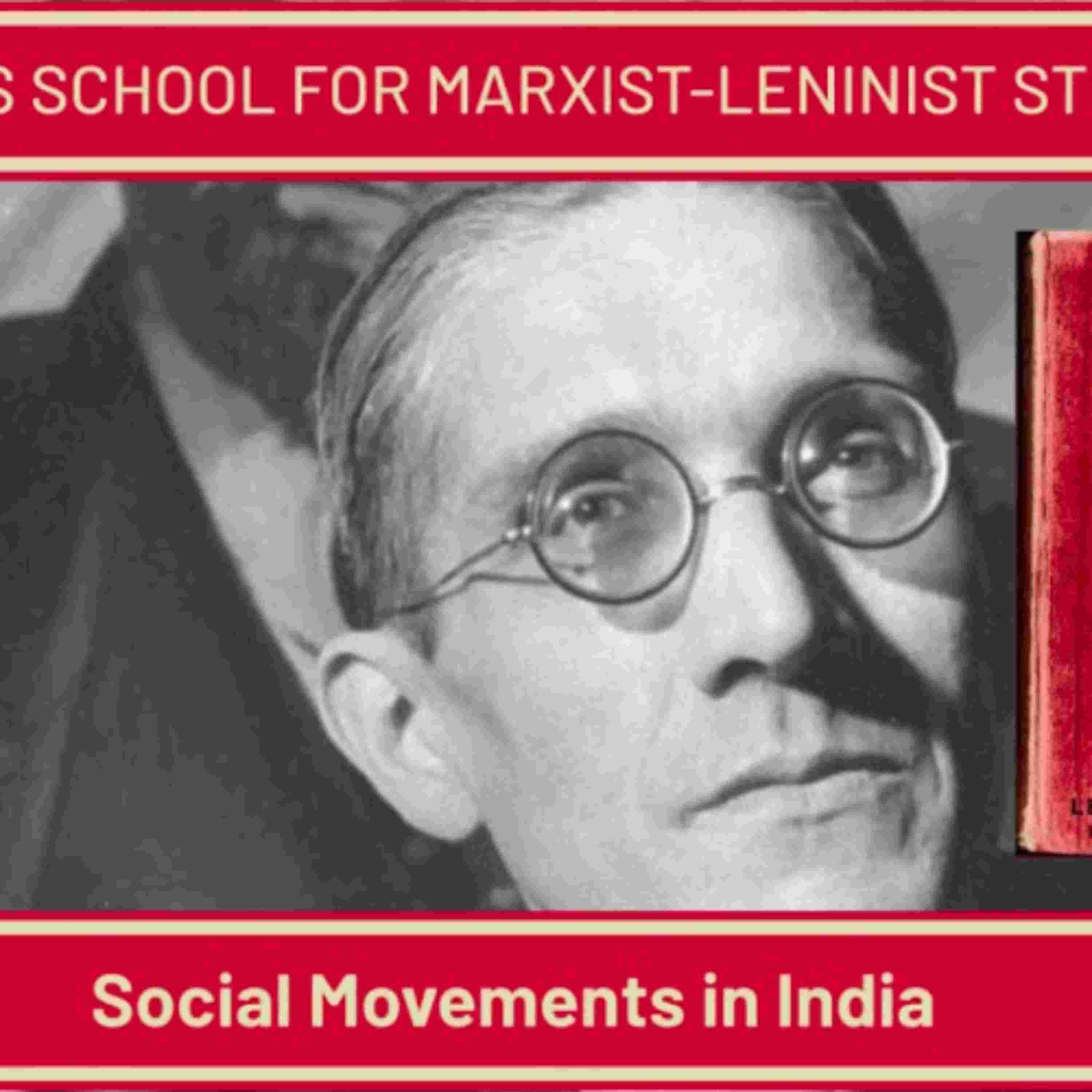
Today, the Hindutva Nationalist movement threatens the democratic-loving Indian people. In tonight’s class, we will analyze how the social movements in India developed. We will be reading from Rajani Palme Dutt’s “India Today”. We will also attempt to use this analysis to look at Indian social movements in the 21st Century.
Visit us at:
Peoples School for Marxist-Leninist Studies: peoplesschool.us
Party of Communists USA: partyofcommunistsusa.net
New Outlook Publishers: newoutlookpublishers.store
Timestamps:
0:00 Introduction
0:45 Section 1 - India Today and India's Independence Movement
13:25 Q&A 1
22:40 Section 2 - Hindutva
30:00 Q&A 2
33:50 Section 3 - Political Movements in Modern India
47:40 Q&A 3 and Conclusion
The People’s School for Marxist-Leninist Studies
March 16th marked the 57th anniversary of the unspeakable My Lai Massacre perpetrated by the United States Army during the Vietnam War. This tragedy saw over 500 civilians including 200 children slaughtered in the most barbaric way. Make no mistake, atrocities in the name of US imperialism like this are not uncommon, this massacre was only the first documented on camera for the American public to see. It galvanized the anti-War movement in the 60s.
Visit us at:
Peoples School for Marxist-Leninist Studies: peoplesschool.us
Party of Communists USA: partyofcommunistsusa.net
New Outlook Publishers: newoutlookpublishers.store
Timestamps:
0:00 Introduction
0:44 Section 1 - Causes and Conditions
4:47 Q&A 1
9:52 Section 2 - The Massacre Itself
30:53 Q&A 2
42:14 Section 3 - Role of Journalism in Exposing War Crimes and Sparking Anti-War Movements
1:06:20 Conclusion