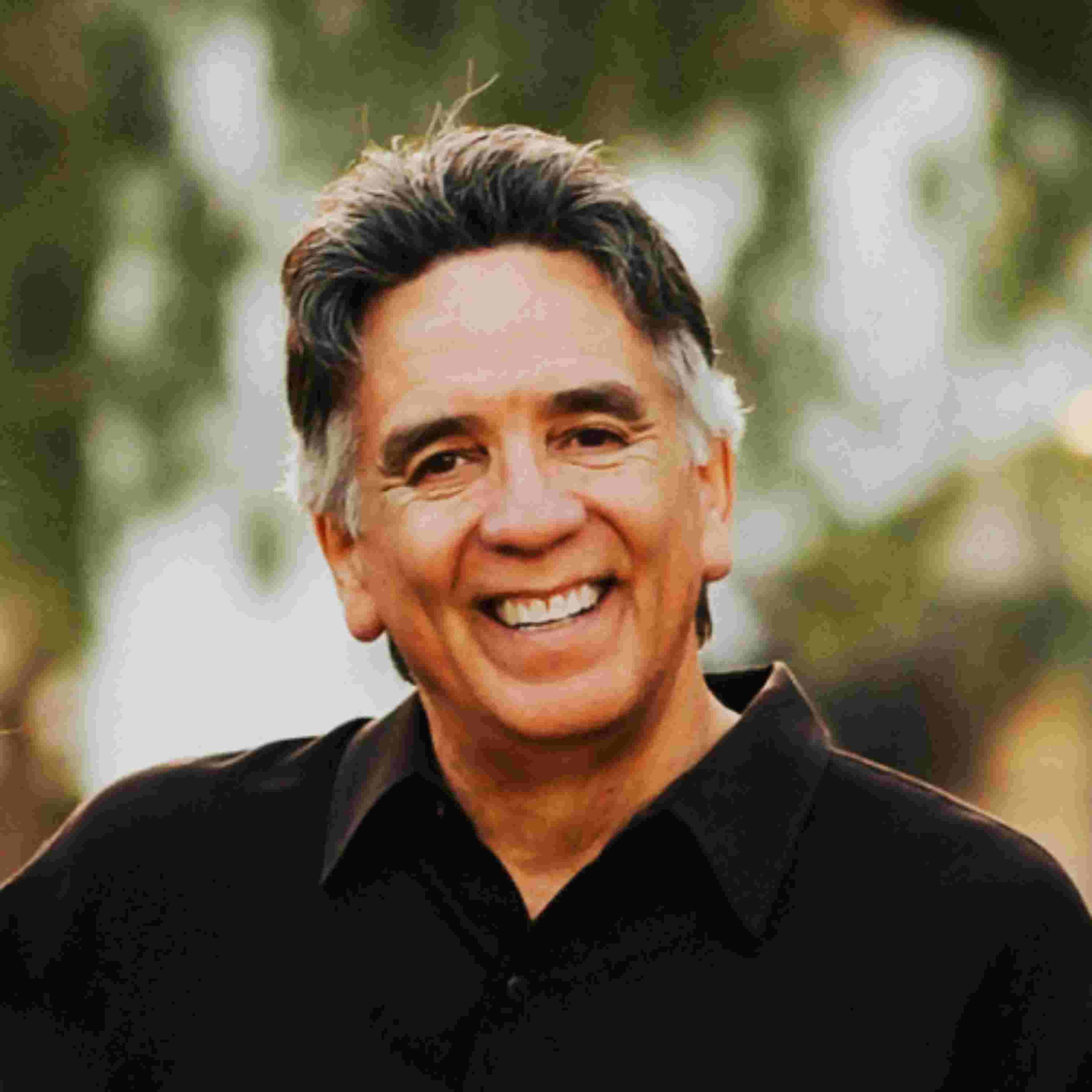
Dave Brisbin 12.14.25
Christmas is our biggest cultural holiday, but even among those still celebrating Jesus’ birth, what do we really know about it? Only Matthew and Luke relate any birth narratives, but Matthew tells only of the visit of the Magi, leaving Luke to give all the birth details we have. And there aren’t many.
Luke tells us Jesus was wrapped in cloths and laid in a manger because there was no room in the inn. That’s it. In any good story, details are critical, never random, always set with purpose. So what do these details tell us? That Jesus’ birth followed ordinary Hebrew practice—so unremarkable that those in the house where Joseph and Mary were staying, most likely relatives or friends, didn’t even make room for them in their living space. That’s what the word mistranslated as “inn” means. Not a hotel, but the interior living space of every Hebrew home that was separate from the cooking space and that reserved for animals. Luke goes on to say that local shepherds are caught up in spectacular sights, and Matthew tells of astronomer-priests who travel a thousand miles to worship at the feet of a poor child they believe is king.
How did those right in the house with the holy family miss all this?
Truth is, every one of us can only see what we’re prepared to see. Confirmation bias eats up the rest. The point these few birth details make is that our God is an unassuming God, a humble, vulnerable God who must be believed to be seen. To see significance under an unremarkable exterior is the preparation, the goal of spiritual formation. If you’re already poor and marginalized, it’s easier to disregard facades, but no guarantee. The genius of the Magi is that they were wealthy, powerful, educated, and yet still humble, vulnerable, willing to make fools of themselves on a long, risky journey with no guaranteed outcome.
If we’re to understand Christmas, it will be through the Magi’s eyes, because we are wealthy and educated too. To let that go, sell all we have is the only way to see the promise of our star in an unformed child.
We will always find our God as a child. Unformed and forming. Are we prepared to see?
All content for theeffect Podcasts is the property of David Brisbin and is served directly from their servers
with no modification, redirects, or rehosting. The podcast is not affiliated with or endorsed by Podjoint in any way.
Dave Brisbin 12.14.25
Christmas is our biggest cultural holiday, but even among those still celebrating Jesus’ birth, what do we really know about it? Only Matthew and Luke relate any birth narratives, but Matthew tells only of the visit of the Magi, leaving Luke to give all the birth details we have. And there aren’t many.
Luke tells us Jesus was wrapped in cloths and laid in a manger because there was no room in the inn. That’s it. In any good story, details are critical, never random, always set with purpose. So what do these details tell us? That Jesus’ birth followed ordinary Hebrew practice—so unremarkable that those in the house where Joseph and Mary were staying, most likely relatives or friends, didn’t even make room for them in their living space. That’s what the word mistranslated as “inn” means. Not a hotel, but the interior living space of every Hebrew home that was separate from the cooking space and that reserved for animals. Luke goes on to say that local shepherds are caught up in spectacular sights, and Matthew tells of astronomer-priests who travel a thousand miles to worship at the feet of a poor child they believe is king.
How did those right in the house with the holy family miss all this?
Truth is, every one of us can only see what we’re prepared to see. Confirmation bias eats up the rest. The point these few birth details make is that our God is an unassuming God, a humble, vulnerable God who must be believed to be seen. To see significance under an unremarkable exterior is the preparation, the goal of spiritual formation. If you’re already poor and marginalized, it’s easier to disregard facades, but no guarantee. The genius of the Magi is that they were wealthy, powerful, educated, and yet still humble, vulnerable, willing to make fools of themselves on a long, risky journey with no guaranteed outcome.
If we’re to understand Christmas, it will be through the Magi’s eyes, because we are wealthy and educated too. To let that go, sell all we have is the only way to see the promise of our star in an unformed child.
We will always find our God as a child. Unformed and forming. Are we prepared to see?
Dave Brisbin 11.23.25
When I’d tell people the title of my book, The Fifth Way, first question was: what are the first four? That made perfect sense, because you can’t understand the fifth way of Jesus until you understand how the first four operate in our lives.
There are several systems that try to explain human behavior in terms of personality types, unconscious ways we process experience and approach challenges in life: Enneagram, Myers-Briggs, DiSC, Kiersey…the four ways operate similarly.
In Jesus time, four sects dominated Jewish life, and each had a specific way of dealing with threats to their powerbases—specifically the Roman occupation. The Sadducees, yielded to Roman power; the Pharisees tried to influence or manipulate; the Essenes exited to build their own communities; and the Zealots tried to destroy Roman presence through rebellion.
To yield, manipulate, exit, and destroy, are the north, south, east, and west of ways we can deal with challenges in life. From dysfunctional marriages to nations and armies, these four ways, with all the combinations in between, are what we have to work with, and each of us has learned to favor one as primary in our personal lives. They aren’t bad or evil; they’re necessary for navigating life. Only when we apply them to spiritual growth do they become limiting, destructive, never taking us where we need to go.
The four ways answer physical needs we all have as humans, but until we become aware of them, they strip free will, reducing us to predictable, type-based behavior. When Jesus comes out of the wilderness, having overcome three temptations symbolic of all human need, he begins teaching a fifth way, turning the other four on their heads.
Everything Jesus teaches and models is a refutation of our normal, ingrained ways of meeting our needs. Starting within and working outward, from an awareness of inexhaustible presence rather than scarcity, we realize that all we really need is not gained through acquisition but in giving away all we have. In the giving, we learn what we really possess is inexhaustible, restoring free will—our ability to choose in love, not just in need.
theeffect Podcasts
Dave Brisbin 12.14.25
Christmas is our biggest cultural holiday, but even among those still celebrating Jesus’ birth, what do we really know about it? Only Matthew and Luke relate any birth narratives, but Matthew tells only of the visit of the Magi, leaving Luke to give all the birth details we have. And there aren’t many.
Luke tells us Jesus was wrapped in cloths and laid in a manger because there was no room in the inn. That’s it. In any good story, details are critical, never random, always set with purpose. So what do these details tell us? That Jesus’ birth followed ordinary Hebrew practice—so unremarkable that those in the house where Joseph and Mary were staying, most likely relatives or friends, didn’t even make room for them in their living space. That’s what the word mistranslated as “inn” means. Not a hotel, but the interior living space of every Hebrew home that was separate from the cooking space and that reserved for animals. Luke goes on to say that local shepherds are caught up in spectacular sights, and Matthew tells of astronomer-priests who travel a thousand miles to worship at the feet of a poor child they believe is king.
How did those right in the house with the holy family miss all this?
Truth is, every one of us can only see what we’re prepared to see. Confirmation bias eats up the rest. The point these few birth details make is that our God is an unassuming God, a humble, vulnerable God who must be believed to be seen. To see significance under an unremarkable exterior is the preparation, the goal of spiritual formation. If you’re already poor and marginalized, it’s easier to disregard facades, but no guarantee. The genius of the Magi is that they were wealthy, powerful, educated, and yet still humble, vulnerable, willing to make fools of themselves on a long, risky journey with no guaranteed outcome.
If we’re to understand Christmas, it will be through the Magi’s eyes, because we are wealthy and educated too. To let that go, sell all we have is the only way to see the promise of our star in an unformed child.
We will always find our God as a child. Unformed and forming. Are we prepared to see?