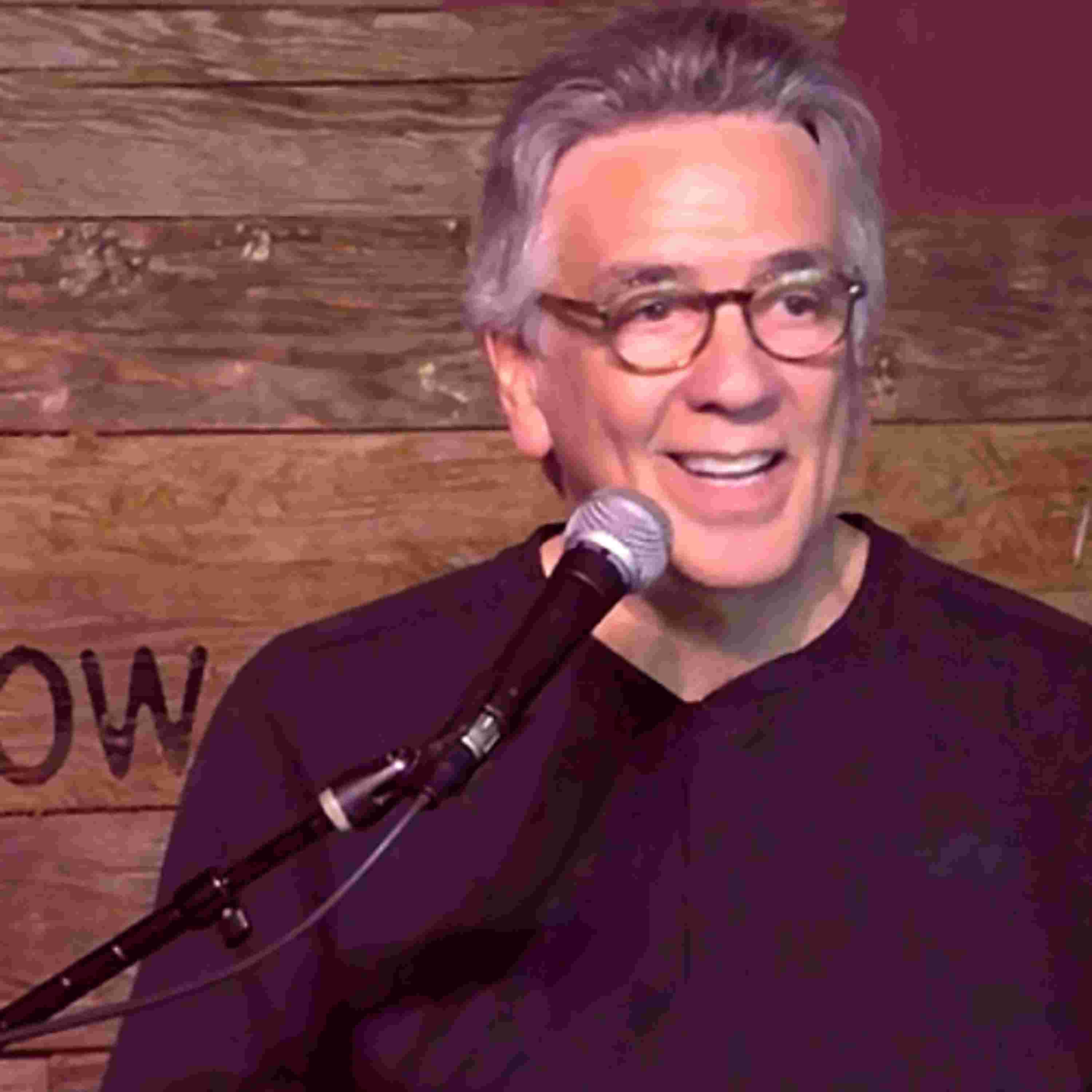
Dave Brisbin 12.28.25
Before he sails off to the Trojan war, Thetis tells her son Achilles that if he stays home, he will find peace. Will marry a wonderful woman and have children and grandchildren who will love him and remember his name. But when they are all dead, his name will be forgotten. If he goes to Troy, he will find such glory that his name will never be forgotten. But he will not come back, and his mother will never see him again.
Obviously, he went or we wouldn’t be talking about him. The world remembers those who do great things, leave a legacy of spectacularly big things. But such legacies always come at a price. Did Achilles make the right choice? Is the building of a legacy that lives beyond the generations we actually touch more important than what happens within them? Such choices are not binary, of course. If we’re consciously careful, we can have at least some elements of both.
But where do we find real meaning in life?
If all our focus is on not yet, imaginings of a great legacy, Solomon, traditional writer of Ecclesiastes has a Hebrew word for all our efforts: hevel. Vain, futile, meaningless, of no purpose or profit…chasing after the wind. After acquiring and accomplishing everything possible in a human lifetime, he writes, Meaningless! Everything is meaningless. Generations come and generations go…no one remembers the people of old, and even those yet to come will not be remembered by those who follow them. Sounds brutally depressing. Sounds like giving up, but it’s not.
It’s redirection.
Where do we find real meaning? In a legacy the world remembers even as we, the builders, are forgotten? Something more immediate? The question places us right at the crux of life. Solomon realizes that there is nothing better than for us to be glad and do good while life is in us, take our food and drink and have joy in our work. He’s saying all that matters is contained in this moment and nowhere else. Even if we work to build a lasting legacy, if we’re immersed in the joy of the work itself and those with us, we find meaning. Because in the end, the only legacy that matters is a legacy of little things.
All content for theeffect Podcasts is the property of David Brisbin and is served directly from their servers
with no modification, redirects, or rehosting. The podcast is not affiliated with or endorsed by Podjoint in any way.
Dave Brisbin 12.28.25
Before he sails off to the Trojan war, Thetis tells her son Achilles that if he stays home, he will find peace. Will marry a wonderful woman and have children and grandchildren who will love him and remember his name. But when they are all dead, his name will be forgotten. If he goes to Troy, he will find such glory that his name will never be forgotten. But he will not come back, and his mother will never see him again.
Obviously, he went or we wouldn’t be talking about him. The world remembers those who do great things, leave a legacy of spectacularly big things. But such legacies always come at a price. Did Achilles make the right choice? Is the building of a legacy that lives beyond the generations we actually touch more important than what happens within them? Such choices are not binary, of course. If we’re consciously careful, we can have at least some elements of both.
But where do we find real meaning in life?
If all our focus is on not yet, imaginings of a great legacy, Solomon, traditional writer of Ecclesiastes has a Hebrew word for all our efforts: hevel. Vain, futile, meaningless, of no purpose or profit…chasing after the wind. After acquiring and accomplishing everything possible in a human lifetime, he writes, Meaningless! Everything is meaningless. Generations come and generations go…no one remembers the people of old, and even those yet to come will not be remembered by those who follow them. Sounds brutally depressing. Sounds like giving up, but it’s not.
It’s redirection.
Where do we find real meaning? In a legacy the world remembers even as we, the builders, are forgotten? Something more immediate? The question places us right at the crux of life. Solomon realizes that there is nothing better than for us to be glad and do good while life is in us, take our food and drink and have joy in our work. He’s saying all that matters is contained in this moment and nowhere else. Even if we work to build a lasting legacy, if we’re immersed in the joy of the work itself and those with us, we find meaning. Because in the end, the only legacy that matters is a legacy of little things.
Dave Brisbin 7.13.25
How many times have you asked God for a sign? Desperately cried out for any toehold you could get on some certainty…imploring, making bargains. Great scene in the movie Bruce Almighty, begging for a sign but too focused on his pain to see all the signs along the road until he’s finally stopped in his tracks, forced to admit his loss of control. Art imitating life.
When religious authorities ask Jesus for a sign, he refuses, calling them an evil generation—bisha in Aramaic—literally unripe, unready, unprepared. He knows as with almighty Bruce, no sign will be enough to convince them of anything until they are prepared to see. Except for the sign of Jonah. We all know Jonah: God asks him to preach to the people of Nineveh but he hates them so much, wants to see them burn, that he runs away aboard a ship only to be swallowed by a great fish. He camps in the fish for three days, until he can finally admit his loss of control.
Ironically, Jonah is the only Old Testament prophet who successfully preaches a people to repentance, but when God spares the city, Jonah is not happy. This is why he ran away. He knew his God, the extent of God’s love and compassion. But his own love was still tribal. His God should not be their God. God’s love should not extend to those he hated. The descent of his three days in the belly of the beast brought him to the gates of Nineveh, but he’d need another descent before he could extend his love all the way to the enemy.
This is the way of it.
No sign will ever be enough to overcome our human fears and need for tribal certainty. But the sign of Jonah, descending deep enough, long enough to implode our narrow view of life and love, is the only way to become free enough to see a greater expanse. Whether through external trauma and loss, or internally through intentional spiritual formation, if we’re willing to surrender to the beast, we still won’t find certainty—that’s impossible. But in stripping off illusion, the reality of love extending everywhere, filling every crack, can convince us our borders are artificial, our tribes too small, and our identity defined only in each other.
theeffect Podcasts
Dave Brisbin 12.28.25
Before he sails off to the Trojan war, Thetis tells her son Achilles that if he stays home, he will find peace. Will marry a wonderful woman and have children and grandchildren who will love him and remember his name. But when they are all dead, his name will be forgotten. If he goes to Troy, he will find such glory that his name will never be forgotten. But he will not come back, and his mother will never see him again.
Obviously, he went or we wouldn’t be talking about him. The world remembers those who do great things, leave a legacy of spectacularly big things. But such legacies always come at a price. Did Achilles make the right choice? Is the building of a legacy that lives beyond the generations we actually touch more important than what happens within them? Such choices are not binary, of course. If we’re consciously careful, we can have at least some elements of both.
But where do we find real meaning in life?
If all our focus is on not yet, imaginings of a great legacy, Solomon, traditional writer of Ecclesiastes has a Hebrew word for all our efforts: hevel. Vain, futile, meaningless, of no purpose or profit…chasing after the wind. After acquiring and accomplishing everything possible in a human lifetime, he writes, Meaningless! Everything is meaningless. Generations come and generations go…no one remembers the people of old, and even those yet to come will not be remembered by those who follow them. Sounds brutally depressing. Sounds like giving up, but it’s not.
It’s redirection.
Where do we find real meaning? In a legacy the world remembers even as we, the builders, are forgotten? Something more immediate? The question places us right at the crux of life. Solomon realizes that there is nothing better than for us to be glad and do good while life is in us, take our food and drink and have joy in our work. He’s saying all that matters is contained in this moment and nowhere else. Even if we work to build a lasting legacy, if we’re immersed in the joy of the work itself and those with us, we find meaning. Because in the end, the only legacy that matters is a legacy of little things.