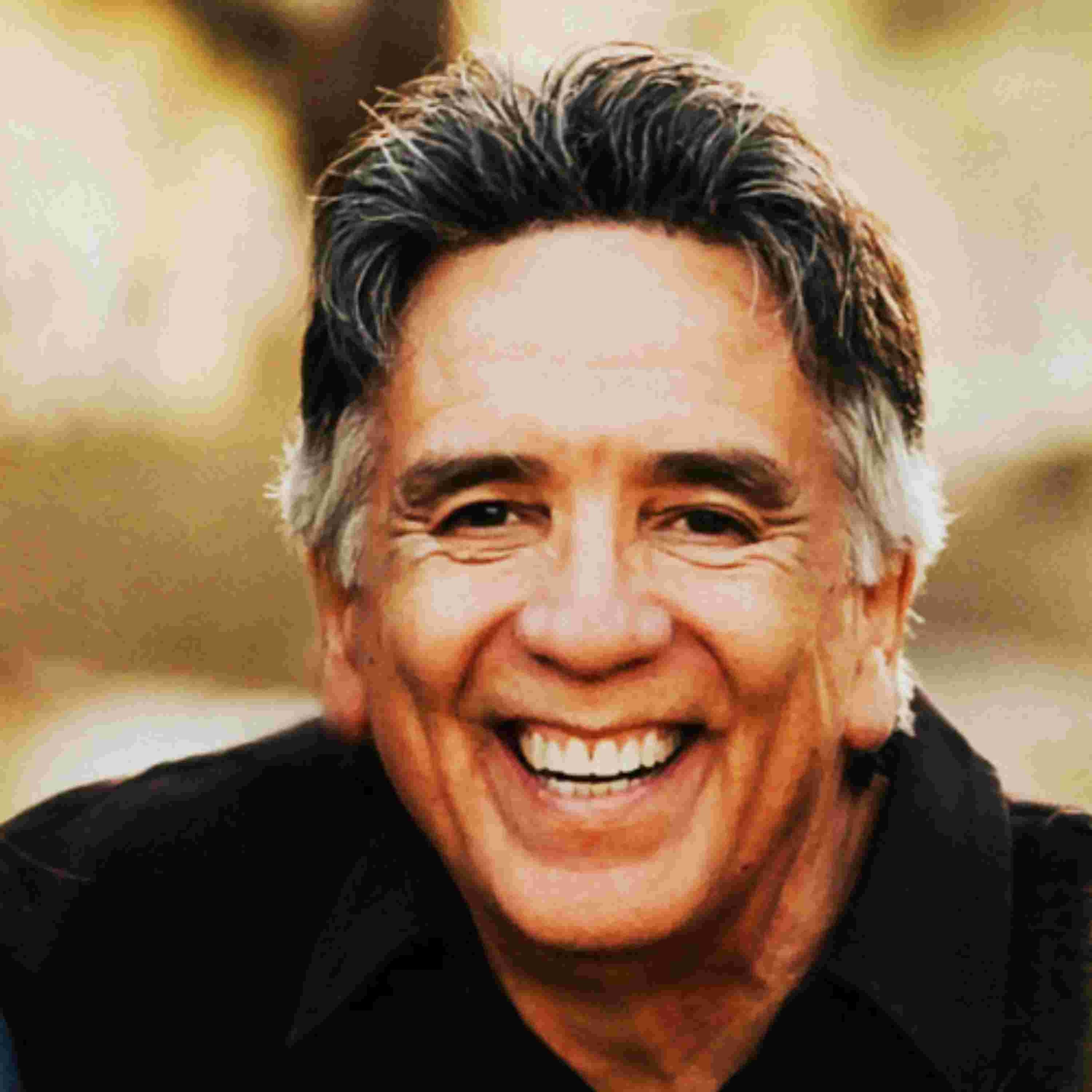
Dave Brisbin 12.28.25
Before he sails off to the Trojan war, Thetis tells her son Achilles that if he stays home, he will find peace. Will marry a wonderful woman and have children and grandchildren who will love him and remember his name. But when they are all dead, his name will be forgotten. If he goes to Troy, he will find such glory that his name will never be forgotten. But he will not come back, and his mother will never see him again.
Obviously, he went or we wouldn’t be talking about him. The world remembers those who do great things, leave a legacy of spectacularly big things. But such legacies always come at a price. Did Achilles make the right choice? Is the building of a legacy that lives beyond the generations we actually touch more important than what happens within them? Such choices are not binary, of course. If we’re consciously careful, we can have at least some elements of both.
But where do we find real meaning in life?
If all our focus is on not yet, imaginings of a great legacy, Solomon, traditional writer of Ecclesiastes has a Hebrew word for all our efforts: hevel. Vain, futile, meaningless, of no purpose or profit…chasing after the wind. After acquiring and accomplishing everything possible in a human lifetime, he writes, Meaningless! Everything is meaningless. Generations come and generations go…no one remembers the people of old, and even those yet to come will not be remembered by those who follow them. Sounds brutally depressing. Sounds like giving up, but it’s not.
It’s redirection.
Where do we find real meaning? In a legacy the world remembers even as we, the builders, are forgotten? Something more immediate? The question places us right at the crux of life. Solomon realizes that there is nothing better than for us to be glad and do good while life is in us, take our food and drink and have joy in our work. He’s saying all that matters is contained in this moment and nowhere else. Even if we work to build a lasting legacy, if we’re immersed in the joy of the work itself and those with us, we find meaning. Because in the end, the only legacy that matters is a legacy of little things.
All content for theeffect Podcasts is the property of David Brisbin and is served directly from their servers
with no modification, redirects, or rehosting. The podcast is not affiliated with or endorsed by Podjoint in any way.
Dave Brisbin 12.28.25
Before he sails off to the Trojan war, Thetis tells her son Achilles that if he stays home, he will find peace. Will marry a wonderful woman and have children and grandchildren who will love him and remember his name. But when they are all dead, his name will be forgotten. If he goes to Troy, he will find such glory that his name will never be forgotten. But he will not come back, and his mother will never see him again.
Obviously, he went or we wouldn’t be talking about him. The world remembers those who do great things, leave a legacy of spectacularly big things. But such legacies always come at a price. Did Achilles make the right choice? Is the building of a legacy that lives beyond the generations we actually touch more important than what happens within them? Such choices are not binary, of course. If we’re consciously careful, we can have at least some elements of both.
But where do we find real meaning in life?
If all our focus is on not yet, imaginings of a great legacy, Solomon, traditional writer of Ecclesiastes has a Hebrew word for all our efforts: hevel. Vain, futile, meaningless, of no purpose or profit…chasing after the wind. After acquiring and accomplishing everything possible in a human lifetime, he writes, Meaningless! Everything is meaningless. Generations come and generations go…no one remembers the people of old, and even those yet to come will not be remembered by those who follow them. Sounds brutally depressing. Sounds like giving up, but it’s not.
It’s redirection.
Where do we find real meaning? In a legacy the world remembers even as we, the builders, are forgotten? Something more immediate? The question places us right at the crux of life. Solomon realizes that there is nothing better than for us to be glad and do good while life is in us, take our food and drink and have joy in our work. He’s saying all that matters is contained in this moment and nowhere else. Even if we work to build a lasting legacy, if we’re immersed in the joy of the work itself and those with us, we find meaning. Because in the end, the only legacy that matters is a legacy of little things.
Dave Brisbin 11.16.25
Have you noticed that people fight? Silly wabbit. Of course. Ever stopped to wonder why?
Fear. Always fear. Even if it doesn’t feel like afraid-ness, unconscious, overriding concern for personal survival drives us fearward in a zero-sum world where there’s only so much oil in the ground, where the resources absolutely necessary for survival are finite. It’s basic envy and jealousy: fear of not getting what someone else has, fear of not keeping what we already do.
Fights are made of this. No fear, no fight.
Then why do religious people fight? Spirituality by definition is infinite, yes? Unlimited resource, enough for all. So when Christians fight, debate, defend, excommunicate, and they certainly do, they are saying they don’t really believe in infinite spiritual resources, or at least that the spiritual does not override the finite where we really live. Fighting Christians don’t trust that the perfect love Jesus lived and died to make real for us is enough. There must still be something we need to acquire or perform to gain the acceptance that is our eternal survival.
More revealing: how do Christians fight? With scripture. Always with scripture. Any fight among Christians is a fight over the book. We’re the people of the book. Even before the early church had the book, it fought over what should be in the book, and once it had the book, fought to defend and enforce it. Five hundred years ago, Western Reformers went even further, saying the book was the only source of revelation from God, that to literally understand the text was to understand God—or at least the terms of eternal survival.
Reducing faith to rational belief has put Westerners on a collision course with an Eastern text that is made of entirely different stuff. The ancients who wrote our book were not even trying to answer literal questions to satisfy our craving for certainty.
The bible is the map of a journey to the experience of infinite resource, unlimited love. When we stop defending it, asking it questions it won’t answer, let it ask us who is asking…it can begin pointing us to trust what we can never understand—only experience.
theeffect Podcasts
Dave Brisbin 12.28.25
Before he sails off to the Trojan war, Thetis tells her son Achilles that if he stays home, he will find peace. Will marry a wonderful woman and have children and grandchildren who will love him and remember his name. But when they are all dead, his name will be forgotten. If he goes to Troy, he will find such glory that his name will never be forgotten. But he will not come back, and his mother will never see him again.
Obviously, he went or we wouldn’t be talking about him. The world remembers those who do great things, leave a legacy of spectacularly big things. But such legacies always come at a price. Did Achilles make the right choice? Is the building of a legacy that lives beyond the generations we actually touch more important than what happens within them? Such choices are not binary, of course. If we’re consciously careful, we can have at least some elements of both.
But where do we find real meaning in life?
If all our focus is on not yet, imaginings of a great legacy, Solomon, traditional writer of Ecclesiastes has a Hebrew word for all our efforts: hevel. Vain, futile, meaningless, of no purpose or profit…chasing after the wind. After acquiring and accomplishing everything possible in a human lifetime, he writes, Meaningless! Everything is meaningless. Generations come and generations go…no one remembers the people of old, and even those yet to come will not be remembered by those who follow them. Sounds brutally depressing. Sounds like giving up, but it’s not.
It’s redirection.
Where do we find real meaning? In a legacy the world remembers even as we, the builders, are forgotten? Something more immediate? The question places us right at the crux of life. Solomon realizes that there is nothing better than for us to be glad and do good while life is in us, take our food and drink and have joy in our work. He’s saying all that matters is contained in this moment and nowhere else. Even if we work to build a lasting legacy, if we’re immersed in the joy of the work itself and those with us, we find meaning. Because in the end, the only legacy that matters is a legacy of little things.