Home
Categories
EXPLORE
True Crime
Comedy
Business
Society & Culture
History
Sports
TV & Film
About Us
Contact Us
Copyright
© 2024 PodJoint
00:00 / 00:00
Sign in

or

Don't have an account?
Sign up
Forgot password
https://is1-ssl.mzstatic.com/image/thumb/Podcasts126/v4/7c/33/1d/7c331dda-4698-832f-0c0a-96525648e8d6/mza_16157869495302775367.jpg/600x600bb.jpg
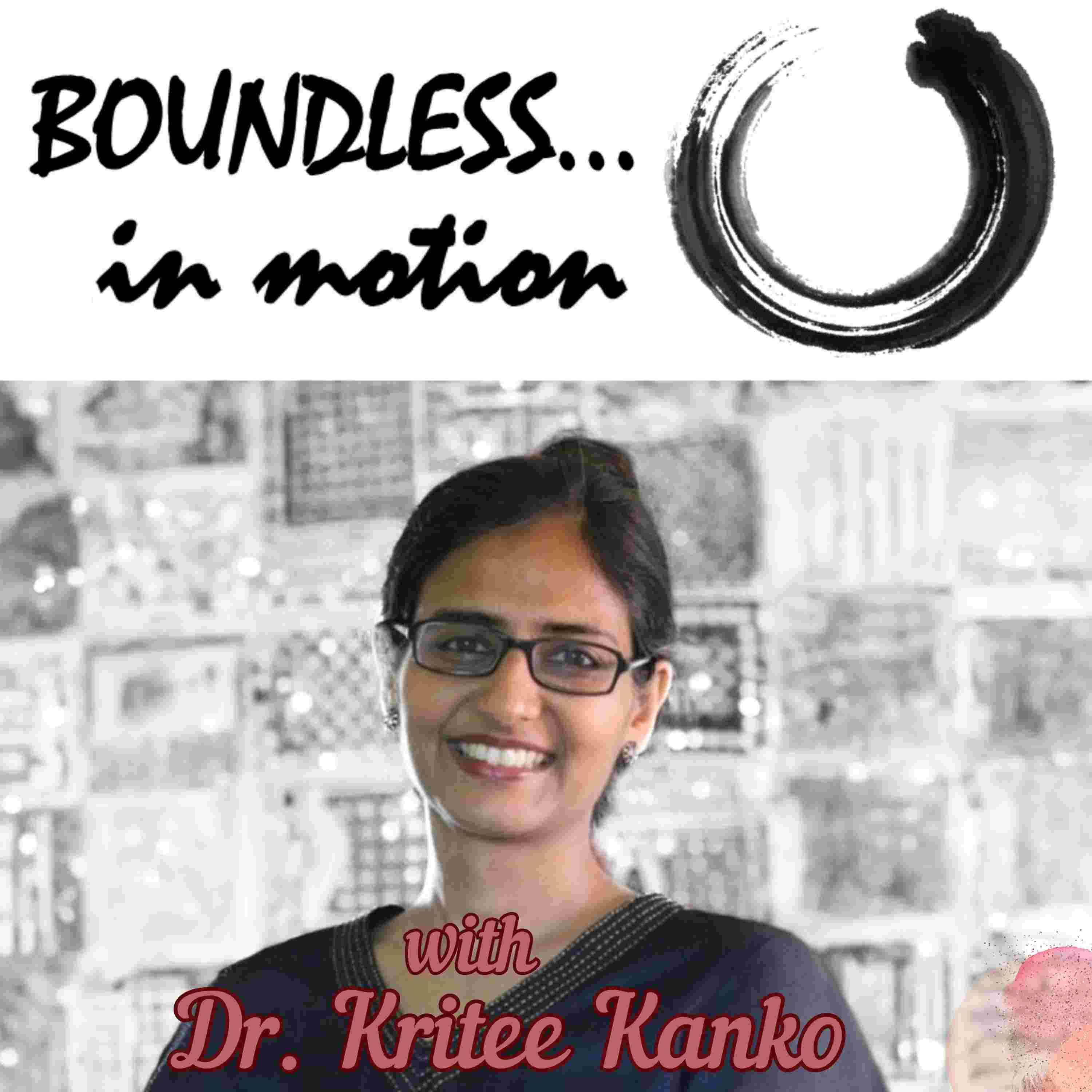
Zen and Ecodharma Talks by Kritee Kanko
Boundless in Motion
24 episodes
3 weeks ago
Kritee Kanko, Ph.D., is a climate scientist, educator-activist, grief-ritual leader, and a Buddhist Zen priest who lives in Colorado (United States) and Rajasthan (India). This podcast offers her teishoes/talks that were given during residential retreats as well as half-day sits. She addresses how we can prepare ourselves spiritually and psychologically to confront the societal challenges of our times, how do contemplative practices need to change to be able to offer a “non-dual” response to our socio-ecological predicament and what will it take to create a spiritually rooted movement.
Show more...
Buddhism
Religion & Spirituality
RSS
All content for Zen and Ecodharma Talks by Kritee Kanko is the property of Boundless in Motion and is served directly from their servers with no modification, redirects, or rehosting. The podcast is not affiliated with or endorsed by Podjoint in any way.
Kritee Kanko, Ph.D., is a climate scientist, educator-activist, grief-ritual leader, and a Buddhist Zen priest who lives in Colorado (United States) and Rajasthan (India). This podcast offers her teishoes/talks that were given during residential retreats as well as half-day sits. She addresses how we can prepare ourselves spiritually and psychologically to confront the societal challenges of our times, how do contemplative practices need to change to be able to offer a “non-dual” response to our socio-ecological predicament and what will it take to create a spiritually rooted movement.
Show more...
Buddhism
Religion & Spirituality
https://d3t3ozftmdmh3i.cloudfront.net/staging/podcast_uploaded_nologo/21977086/21977086-1704798057733-782dc91ed9ee9.jpg
Unmon's Kanshiketsu - Mumonkan 21
Zen and Ecodharma Talks by Kritee Kanko
46 minutes 33 seconds
11 months ago
Unmon's Kanshiketsu - Mumonkan 21

How can a soiled toilet paper which you have used to wipe your ass be Buddha? How can the things we “hate” about life be “sacred”? How can the worst kinds of physical and emotional pain experienced during meditation be a pathway to a deeper realization, equanimity and courage?


In this talk, Zen teacher Kanko talks about a classic Koan and discusses how we can best relate to pain during a meditation session. Everyone feels pain. Life consists of physical and mental suffering. That is the first fundamental truth in Buddhism.  But during meditation sessions, should we always ignore pain and just focus on our breath or koan like many traditional Zen Buddhist teachers recommend? What is a modern trauma-informed way to deal with pain? How can we embrace both the feminine and the masculine aspects of spiritual life? Can we be both kind to our bodies, which will get physically tired from long periods of sitting and/or internal trauma, and also remain firm in the face of pain? Using personal stories as examples to make her point, Sensei Kanko makes this topic come alive. The talk also explains the basic steps of the meditation path and what it takes to work with koans like the one discussed in the talk.


Sensei Kanko gave this talk during the February 2023 Zen retreat (sesshin).


Thank you for listening to the Boundless in Motion podcast. You can access more information about our programs and retreats by going to www.boundlessinmotion.org or www.kriteekanko.com

Zen and Ecodharma Talks by Kritee Kanko
Kritee Kanko, Ph.D., is a climate scientist, educator-activist, grief-ritual leader, and a Buddhist Zen priest who lives in Colorado (United States) and Rajasthan (India). This podcast offers her teishoes/talks that were given during residential retreats as well as half-day sits. She addresses how we can prepare ourselves spiritually and psychologically to confront the societal challenges of our times, how do contemplative practices need to change to be able to offer a “non-dual” response to our socio-ecological predicament and what will it take to create a spiritually rooted movement.