Home
Categories
EXPLORE
True Crime
Comedy
Business
Society & Culture
History
Sports
TV & Film
About Us
Contact Us
Copyright
© 2024 PodJoint
00:00 / 00:00
Sign in

or

Don't have an account?
Sign up
Forgot password
https://is1-ssl.mzstatic.com/image/thumb/Podcasts126/v4/7c/33/1d/7c331dda-4698-832f-0c0a-96525648e8d6/mza_16157869495302775367.jpg/600x600bb.jpg
Zen and Ecodharma Talks by Kritee Kanko
Boundless in Motion
24 episodes
3 weeks ago
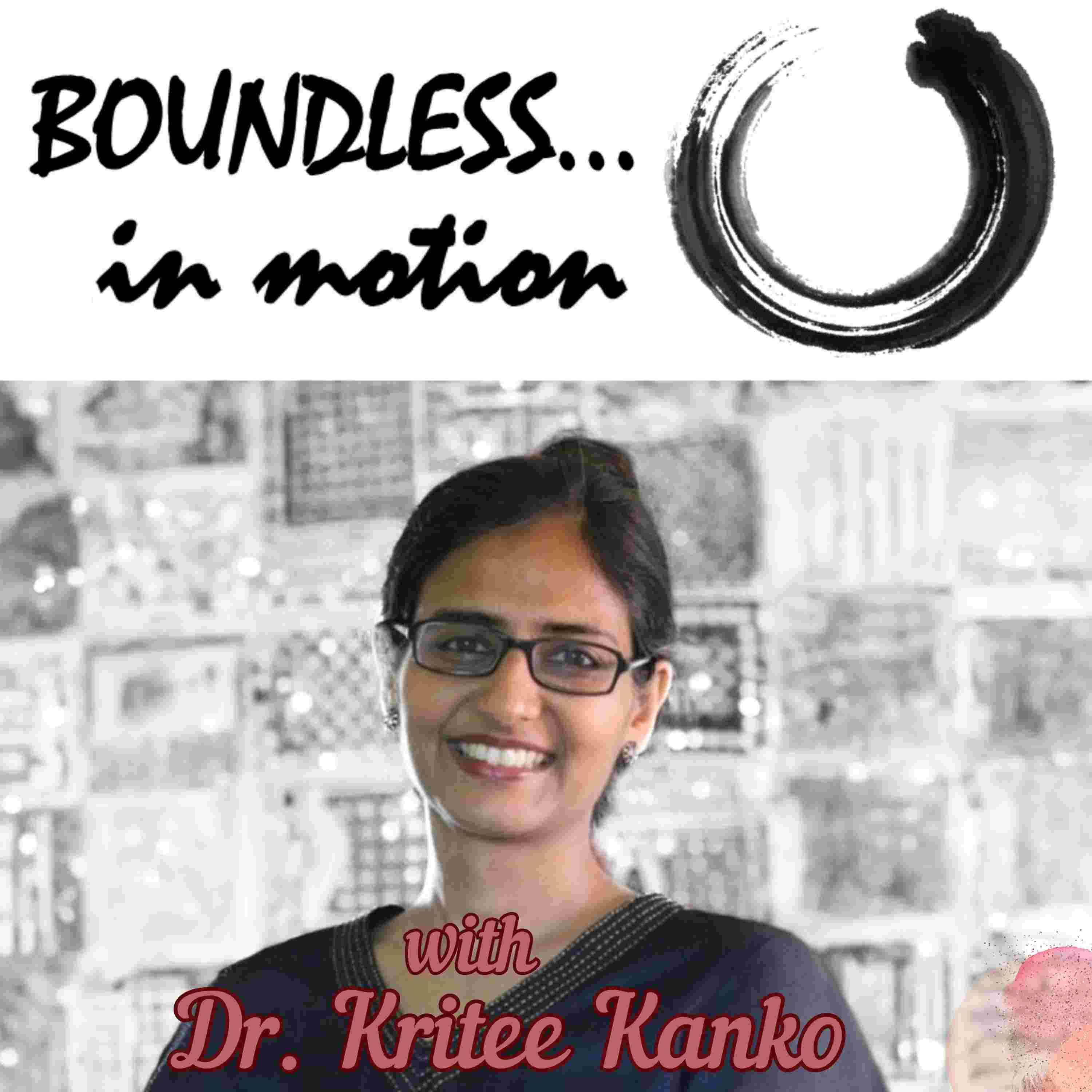
Kritee Kanko, Ph.D., is a climate scientist, educator-activist, grief-ritual leader, and a Buddhist Zen priest who lives in Colorado (United States) and Rajasthan (India). This podcast offers her teishoes/talks that were given during residential retreats as well as half-day sits. She addresses how we can prepare ourselves spiritually and psychologically to confront the societal challenges of our times, how do contemplative practices need to change to be able to offer a “non-dual” response to our socio-ecological predicament and what will it take to create a spiritually rooted movement.
Show more...
Buddhism
Religion & Spirituality
RSS
All content for Zen and Ecodharma Talks by Kritee Kanko is the property of Boundless in Motion and is served directly from their servers with no modification, redirects, or rehosting. The podcast is not affiliated with or endorsed by Podjoint in any way.
Kritee Kanko, Ph.D., is a climate scientist, educator-activist, grief-ritual leader, and a Buddhist Zen priest who lives in Colorado (United States) and Rajasthan (India). This podcast offers her teishoes/talks that were given during residential retreats as well as half-day sits. She addresses how we can prepare ourselves spiritually and psychologically to confront the societal challenges of our times, how do contemplative practices need to change to be able to offer a “non-dual” response to our socio-ecological predicament and what will it take to create a spiritually rooted movement.
Show more...
Buddhism
Religion & Spirituality
https://d3t3ozftmdmh3i.cloudfront.net/staging/podcast_uploaded_nologo/21977086/21977086-1704798057733-782dc91ed9ee9.jpg
Yunmen's Kanshiketsu - Mumonkan 21 (July 2025)
Zen and Ecodharma Talks by Kritee Kanko
44 minutes 54 seconds
5 months ago
Yunmen's Kanshiketsu - Mumonkan 21 (July 2025)

How is an enlightened compassion the essence of our “impossible" suffering?


In this profound talk, Dr. Kritee explores case 21 of the Mumonkan, where a student asks Zen Master Yunmen "What is the essence of Buddhism?" and the master answers: "Kanshiketsu"—toilet stick. Through personal stories about extremely hard (impossible) life situations and sitting with a friend facing breast cancer, Sensei Kanko illustrates how the most challenging suffering can get transmuted on our spiritual path. She offers tools for working with life's inevitabilities of old age, sickness, and death—from recognizing the universality of our experience, to finding support in community, to accessing the vast inner space offered by meditation. She goes deeper and asks us to draw from Zen Buddhist, Indigenous, and Tibetan traditions which teach that our deepest spiritual potential lies in facing our greatest suffering to access the great compassion within. Using the touching example of 96-year-old Joanna Macy dying peacefully with playfulness, this talk invites us to discover how the things we desperately want to eliminate might be gateways to the sweetness we are literally made of.


Sensei Kanko gave this talk during a half day meditation in July 2025. 


Thank you for listening to the Boundless in Motion podcast. You can access more information about our programs and retreats by going to www.boundlessinmotion.org or www.kriteekanko.com


Zen and Ecodharma Talks by Kritee Kanko
Kritee Kanko, Ph.D., is a climate scientist, educator-activist, grief-ritual leader, and a Buddhist Zen priest who lives in Colorado (United States) and Rajasthan (India). This podcast offers her teishoes/talks that were given during residential retreats as well as half-day sits. She addresses how we can prepare ourselves spiritually and psychologically to confront the societal challenges of our times, how do contemplative practices need to change to be able to offer a “non-dual” response to our socio-ecological predicament and what will it take to create a spiritually rooted movement.