
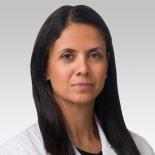
In this episode of Better Edge, Chandrika Shankar, MD, explores the dynamic intersection of mental health and law. Learn how forensic psychiatrists assess competency, navigate ethical dilemmas and balance risk assessment tools with clinical judgment. Dr. Shankar also shares insights on telepsychiatry, AI-assisted evaluations and the core skills needed to succeed in this evolving field.

In this episode of Better Edge, a Northwestern Medicine Ophthalmology panel including Paul Bryar, MD, Rukhsana G. Mirza, MD, and moderator Angelo P. Tanna, MD, discusses practical applications of artificial intelligence in eye care. Topics include point‑of‑care diabetic retinopathy screening with immediate results, oculomics and multimodal imaging, and collaborations using AI to identify biomarkers such as retinal ischemic perivascular lesions (RIPLs). The panel also reviews early experience with large language model triage and MyChart responses, EMR‑based risk scoring that incorporates social drivers of health and workflow optimization.
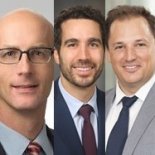
Edward M. Schaeffer, MD, PhD, moderates a thoughtful conversation with two former Northwestern Urology residents, Richard Matulewicz, MD, MSCI, MS, urologic surgeon at Memorial Sloan Kettering Cancer Center, and Neema Navai, MD, MHCM, professor and chair of the department of urology and special advisor to the chief physician executive for care development at MD Anderson Cancer Center. Together, they share insights from their professional journeys, explore the evolving landscape of urologic care and discuss how their experiences have shaped their career paths and approach to patient care.

In this episode of Parts and Labor, Angela Chaudhari, MD, hosts a panel of experts from Northwestern Medicine’s Division of Gynecologic Oncology to explore the innovative role of robotic surgery in cancer care. The discussion highlights how robotic technology is improving outcomes for patients with gynecologic cancers through minimally invasive techniques, enhanced precision and interdisciplinary collaboration.
The panel covers advancements in robotic systems, patient populations who benefit most from this approach, including those with high BMI, complex surgical histories, and fertility concerns, as well as the future of surgical innovation at Northwestern Medicine.
This episode’s panel of guests includes:
• Emma L. Barber, MD, John and Ruth Brewer Professor of Gynecology and Cancer Research, Division Chief of Gynecologic Oncology and Director of Robotic Surgery.
• Dario R. Roque, MD, Associate Professor of Gynecologic Oncology and Fellowship Program Director.
• Jenna Z. Marcus, MD, Associate Professor of Gynecologic Oncology, Director of Robotic Simulation and Associate Fellowship Program Director.
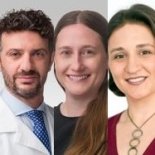
In this episode of Better Edge, a Northwestern Medicine Neurology panel including Niccolo Mencacci, MD, PhD, Sarah Brooker, MD, PhD, and Elizabeth Gerard, MD, discuss their groundbreaking research surrounding the NUS1 gene and its impact on neurological disorders.
Their recently published research, The Spectrum of Neurologic Phenotypes Associated With NUS1 Pathogenic Variants: A Comprehensive Case Series, covers a comprehensive case series of 41 patients with pathogenic variants in the NUS1 gene, highlighting a spectrum of neurological phenotypes that include developmental delays, epilepsy, and various movement disorders. Notably, the study emphasizes the lack of genotype-phenotype correlations, suggesting the influence of additional genetic and environmental factors on clinical presentations.
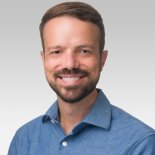
In this episode of Better Edge, Edgar Woznica, MD, explores the clinical challenges of diagnosing and treating patients with four or more co-occurring psychiatric conditions, including substance use disorders. He shares strategies for distinguishing primary versus substance-induced symptoms, emphasizes the importance of collaborative care and offers guidance for teaching diagnostic clarity to trainees. The episode also highlights the value of embracing diagnostic uncertainty and measuring success through functional outcomes.
Clinical impact: This conversation provides practical tools for managing diagnostic complexity and reinforces the importance of integrated, patient-centered care in high-acuity psychiatric cases.
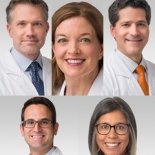
In this episode of Better Edge, Sean W. P. Koppe, MD, moderates a panel of Northwestern Medicine hepatologists as they discuss recent scientific updates from the American Association for the Study of Liver Diseases (AASLD) annual meeting held in November 2025.
The conversation addresses key updates in the management of patients with cirrhosis, MASLD, HCC, alcohol liver disease, cholestatic liver diseases and autoimmune hepatitis that were presented at the meeting.
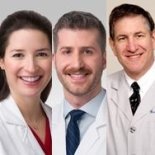
A panel of Northwestern Medicine ophthalmologists, including Robert Feder, MD, Liza Cohen, MD, and Timothy Janetos, MD, share key highlights and clinical implications from the 2025 AAO Annual Meeting focusing on cornea and external disease, orbital and oculoplastic surgery, and uveitis — including cases associated with cataract.
In this episode of Better Edge, Quentin R. Youmans, MD, assistant professor of Cardiology at Northwestern Medicine Bluhm Cardiovascular Institute, discusses the recent joint scientific statement from the Heart Failure Society of America (HFSA) and the American Society of Preventive Cardiology (ASPC) published in the Journal of Cardiac Failure. This statement explores the integration of multidisciplinary care models in heart failure management, focusing on proactive strategies for early detection and prevention. It also emphasizes the importance of lifestyle modifications, social determinants of health and a shift in language from "failure" to "function" for enhancing patient engagement. Additionally, the research investigates the role of emerging technologies, such as wearables and AI, in revolutionizing care and proposes a cohesive framework that promotes cardiovascular, kidney and metabolic health to reduce heart failure incidence.
Danny Bega, MD, of Northwestern Medicine Neurology, joins Will Meador, MD, to discuss a major breakthrough in Huntington’s disease — a gene therapy that has shown the first evidence of slowing disease progression. Dr. Bega talks about how the RESET-HD trial is reshaping treatment possibilities and what physicians should watch for as this therapy advances.
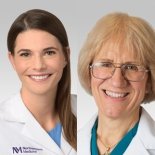
In part two of the Better Edge series on women in physiatry, Larissa Pavone, MD, and Mary Keen, MD, reflect on how the field has evolved — from training structures and technology to the growing presence of women in leadership. They discuss the increasing demands of the specialty, the impact of mentorship and the importance of visibility and support for women entering PM&R.
Looking ahead, they share their excitement about the role of technology and expanded access to education in shaping the future of physiatry. The episode offers practical insights for women navigating the field today and encourages continued growth through collaboration and innovation.
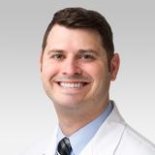
In this episode of Better Edge, Brandon Hamm, MD, discusses an evidence-based approach to ketamine therapy, including patient selection, safety protocols and a newly expanded infusion suite. He compares ketamine with TMS and ECT, addresses common misconceptions and highlights training opportunities for residents. The episode also previews emerging treatments like vagus nerve stimulation.
Clinical impact: This conversation underscores ketamine’s growing role as a safe, effective option within a comprehensive interventional psychiatry framework.
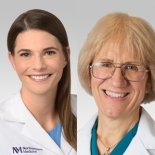
In this episode of Better Edge, Larissa Pavone, MD, and Mary Keen, MD, share their insights on the power of mentorship among women in physiatry. They reflect on their own mentor and mentee relationship, emphasizing how guidance, partnership and shared clinical experiences have shaped their careers and personal growth.
They explore the challenges of balancing clinical demands with personal well-being and the importance of being present for patients and families. The episode highlights how mentorship can come from many sources and evolve over time. Both physicians offer practical advice for women seeking mentorship and underscore the importance of recognizing mentors across disciplines within the rehabilitation team.
This is part one of a two-part series. Be sure to listen to part two where Dr. Pavone and Dr. Keen discuss the evolution of women in physiatry and the future of the field.

In this episode of Better Edge, Jennifer Miles-Thomas, MD, moderates a thoughtful conversation with Anthony Schaeffer, MD, discussing complicated urinary tract infections (cUTIs) and their management. Dr. Schaeffer, who contributed to the recent IDSA guidelines on cUTIs, emphasizes the need to understand underlying causes of recurrent infections rather than treating them as isolated events. The conversation explores critical topics such as antibiotic resistance, effective treatment strategies and the importance of early intervention in febrile cases.
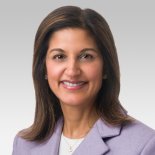
In this episode of Better Edge, Reena Dhanda-Patil, MD, a professor of Otolaryngology – Head and Neck Surgery at Northwestern Medicine, discusses her journey into the field and the importance of a holistic approach to patient care. Dr. Dhanda-Patil emphasizes the rapid advances in sleep medicine and surgery, highlighting her commitment to integrating innovative techniques and multidisciplinary strategies to address complex health issues, particularly obstructive sleep apnea. Through her dedication to personalized treatment and collaboration, she aims to improve patient quality of life and foster clinician growth in this evolving specialty.
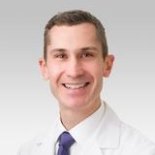
In this episode of Better Edge, Joshua Meeks, MD, PhD, discusses the implications of the FDA's recent approval of TAR-200, a novel therapy for bladder cancer. Having played a key role in the clinical trials and development of this treatment, Dr. Meeks provides an in-depth look at this breakthrough’s potential to transform patient care, especially for those with BCG-unresponsive bladder cancer.
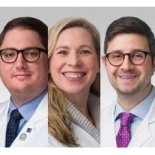
In this episode of Better Edge, a multidisciplinary team gets into the intricacies of diagnosing and managing scleroderma. Join Pulmonologist Anthony Esposito, MD, Rheumatologist Carrie Richardson, MD, and Domenico Farina, MD a gastroenterology specialist with a focus on scleroderma-related esophageal diseases. Together, they share how they collaborate to provide comprehensive care for patients.

Grazia Aleppo, MD, Kasey J. Coyne, MD, and Jelena Kravarusic, MD, PhD, from the Northwestern Medicine Division of Endocrinology, join the Better Edge podcast. The trio discusses a recent clinical trial they led, published in The New England Journal of Medicine. This trial aimed to evaluate the efficacy and safety of using an automated insulin delivery system for treating patients with Type 2 diabetes, a method already well established for those with Type 1 diabetes.
In this episode of Better Edge, C. Charles Jain, MD, the new associate medical director for Adult Congenital Heart Disease at Northwestern Medicine Bluhm Cardiovascular Institute, shares his clinical expertise and strategic vision for advancing adult congenital heart disease (ACHD) care. Dr. Jain discusses his new role and outlines a comprehensive approach to improving outcomes for ACHD. He emphasizes the importance of multidisciplinary collaboration and seamless transitions from pediatric to adult care, key parts of Northwestern Medicine's approach. Dr. Jain also highlights his research interests, commitment to providing whole-person care and upcoming initiatives to expand access and enhance continuity of care at Bluhm Cardiovascular Institute.

In this episode of Better Edge, Bruce K. Tan, MD, discusses the newest clinical practice guidelines for the surgical management of chronic rhinosinusitis (CRS). Dr. Tan covers how treatment paradigms have evolved over the past 15 years, from antibiotic-centric approaches to multifaceted strategies that recognize CRS as a complex inflammatory condition.
He dives into the guidelines’ recommendations on diagnoses, biologic therapies and multidisciplinary collaboration. Additionally, Dr. Tan shares insights on future directions for research and the promise of precision medicine in tailoring effective treatments for a range of patient profiles.