

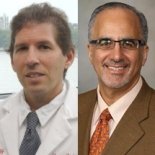
A liquid biopsy is a blood test that looks for cancer cells or genetic material, such as DNA, that are shed into the bloodstream in patients with cancer. In this episode of CancerCast, Dr. Massimo Cristofanilli and Dr. Manish Shah explore how liquid biopsies unlock real-time insights into cancer evolution through molecular diagnostics, painting a more comprehensive and holistic picture of what’s going on with cancer inside the body, and often much earlier than other imaging tools. By analyzing circulating tumor cells, cell-free DNA or circulating tumor DNA, liquid biopsies can offer many clues that may predict cancer recurrence, guide treatment decisions, or detect resistance to certain treatments. Learn more about how this evolving non-invasive technology enables more personalized care for patients.
Guest: Massimo Cristofanilli, MD, Associate Director of Precision Oncology at the Weill Cornell Medicine Meyer Cancer Center (MCC), Co-Leader of the MCC Breast Cancer Disease Management Team and Scientific Director of the Englander Institute for Precision Medicine (EIPM)
Host: Manish Shah, MD, Chief of Solid Tumor Service and Director of Gastrointestinal Oncology at Weill Cornell Medicine and NewYork-Presbyterian Hospital.
Mismatch repair deficiency is a condition caused by DNA errors in the body that lead to a high number of mutations, increasing cancer risk. Mismatch repair deficiency is also commonly associated with Lynch syndrome, an inherited genetic syndrome linked to higher rates of many cancers at younger ages, including colon cancer.
In this episode of CancerCast, Dr. Manish Shah is joined by two guests, Drs. Frank Sinicrope and Steven Lipkin, to discuss mismatch repair deficient colon cancer and how this subset of colon cancer is managed and treated differently. Drs. Shah, Sinicrope, and Lipkin explain how immunotherapy can be particularly effective for colon cancer patients with mismatch repair deficiency, as well as related research and treatment developments. Tune in to learn more about the latest advances in managing mismatch repair-deficient colon cancer.
Guests: Frank Sinicrope, MD, is a medical oncologist and researcher and the Mayo Clinic Rochester.
Steven Lipkin, MD, a physician scientist at Weill Cornell Medicine and a board-certified geneticist.
Host: Manish Shah, MD, Chief of Solid Tumor Service and Director of Gastrointestinal Oncology at Weill Cornell Medicine and NewYork-Presbyterian Hospital.
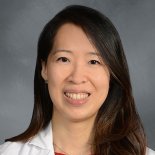
Tumor-infiltrating lymphocyte, or TIL, therapy is a new form of cellular immunotherapy that targets cancer cells by leveraging the body’s immune system and specialized cells called T-lymphocytes. This treatment is currently approved by the U.S. Food and Drug Administration (FDA) for metastatic melanoma with additional research ongoing in other types of cancer. Dr. Manish Shah spoke with melanoma expert Dr. Barbara Ma about how this treatment works, how it differs from other therapies, the logistics of this treatment process for patients, and more.
Guest: Barbara Ma, MD, MS a medical oncologist and researcher at Weill Cornell Medicine and NewYork-Presbyterian Hospital.
Host: Manish Shah, MD, Chief of Solid Tumor Service and Director of Gastrointestinal Oncology at Weill Cornell Medicine and NewYork-Presbyterian Hospital.
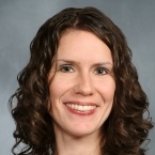
Drs. Manish Shah and Sarah Rutherford explore the groundbreaking research presented at the 2025 ASCO Annual Meeting. They discuss key developments from this year’s meeting, including new immunotherapy and targeted therapy options, the use of circulating tumor cell (ctDNA) and minimal residual disease (MRD) testing, the importance of selecting the right patients for the right treatments, and more. They also provide insights into how personalized and precision treatment options have the potential to reshape cancer care and minimize patients’ side effects.
The American Society of Clinical Oncology, or ASCO, Annual Meeting is the largest oncology conference. Each year, the meeting brings together oncology experts, thought leaders and professionals from around the world to share cancer care insights and present state-of-the-art research poised to impact patient care.
Guest: Sarah Rutherford, MD, a hematologist and researcher at Weill Cornell Medicine and NewYork-Presbyterian Hospital.
Host: Manish Shah, MD, Chief of Solid Tumor Service and Director of Gastrointestinal Oncology at Weill Cornell Medicine and NewYork-Presbyterian Hospital.

A familiar voice in a new role. Drs. John Leonard and Manish Shah reflect on the past seven years of cancer care and research as Dr. Leonard passes the microphone over to Dr. Shah as the new host of Weill Cornell Medicine’s CancerCast podcast. They reflect on how far podcasting has come since the launch of CancerCast in 2018 and discuss the biggest breakthroughs in cancer care and research, including how immunotherapies and cell therapies have transformed the field during this time. Drs. Leonard and Shah also share their insights and forecast where cancer treatments are headed in the future. From artificial intelligence to new minimally-invasive technologies to treat tumors while minimizing recovery times and side effects, hear from leading hematology and medical oncology experts as they explore what’s next in the fast-paced and cutting-edge world of cancer research and care.
Guest: Manish Shah, MD, Chief of Solid Tumor Service and Director of Gastrointestinal Oncology at Weill Cornell Medicine and NewYork-Presbyterian Hospital.
Host: John Leonard, MD, a leading hematologist and medical oncologist who specializes in caring for patients with lymphoma
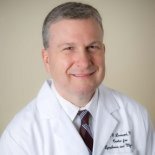
Join Dr. John Leonard for his special annual “Leonard List” episode. He shares his top 10 most interesting lymphoma and blood cancer-related abstracts to be presented at the 2024 American Society of Hematology (ASH) meeting. The ASH annual meeting features the latest and most exciting research in the field from global blood cancer experts. For the 7th year in a row, the Leonard List podcast tradition features a comprehensive look at this year’s innovative research plus 5 additional “bonus” abstract selections.
Host: John Leonard, MD, a leading hematologist and medical oncologist at Weill Cornell Medicine and NewYork-Presbyterian Hospital.

Immunotherapy is a type of cancer treatment that helps your immune system fight cancer. In the last 10 years, immunotherapy has joined the list of standard cancer treatment approaches, alongside chemotherapy, targeted therapy, radiation therapy, and surgery. There are a number of different types of immunotherapies that work in different ways to target cancer cells in the body. Immunotherapy expert and Meyer Director of the Sandra and Edward Meyer Cancer Center at Weill Cornell Medicine and NewYork-Presbyterian Hospital, Dr. Jedd Wolchok, outlines the ins and outs of how this treatment approach can be used in a variety of cancers.
Guest: Jedd Wolchok, MD, PhD, Meyer Director of the Sandra and Edward Meyer Cancer Center at Weill Cornell Medicine and NewYork-Presbyterian Hospital.
Host: John Leonard, MD, a leading hematologist and medical oncologist at Weill Cornell Medicine and NewYork-Presbyterian Hospital.

The American Society of Clinical Oncology, or ASCO, Annual Meeting is the largest global oncology conference and features state-of-the-art research presentations and cancer care insights from oncology professionals around the world. Every year on the CancerCast podcast, two of Weill Cornell Medicine’s leading experts discuss exciting research stemming from this annual meeting. This episode delves into the 2024 ASCO updates that patients should have on their radar across a wide range of solid tumors and blood cancers.
Guest: Manish Shah, MD, Chief of Solid Tumor Service and Director of Gastrointestinal Oncology at Weill Cornell Medicine and NewYork-Presbyterian Hospital.
Host: John Leonard, MD, a leading hematologist and medical oncologist at Weill Cornell Medicine and NewYork-Presbyterian Hospital.

Pathology has a crucial place in the medical field working behind the scenes to ensure patients and their care teams have the most up-to-date information. In cancer care, pathology plays an essential part in not only diagnosing cancer, but also treating and managing it. From examining tissue biopsies to evaluating blood samples, pathologists utilize a variety of tests and tools to ask and answer questions about what they observe in order to make accurate diagnoses and treatment recommendations.
Guest: Amy Chadburn, MD, a hematopathologist at Weill Cornell Medicine and NewYork-Presbyterian Hospital
Host: John Leonard, MD, a leading hematologist and medical oncologist at Weill Cornell Medicine and NewYork-Presbyterian Hospital

The skeletal system keeps the body upright, but did you know that the bones play a number of pivotal roles in the body? From storing minerals to providing the home for new cell creation, the body’s bones are dynamic and critical to the body in various ways. When things go awry, deterioration, fractures, and pain can occur. Cancer and its treatments – especially those involving or disrupting hormonal systems – can have a big impact on bone health. Tune in for a breakdown of the bone-cancer connection.
Guest: Panagiota Andreopoulou, MD, an endocrinologist and bone health expert at Weill Cornell Medicine and NewYork-Presbyterian Hospital
Host: John Leonard, MD, a leading hematologist and medical oncologist at Weill Cornell Medicine and NewYork-Presbyterian Hospital
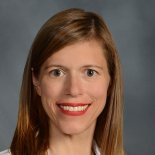
Pancreatic cancer can be a difficult cancer to diagnose and treat because symptoms don’t often appear until the disease is very advanced. New imaging techniques, personalized therapies and genetic knowledge are helping to change the landscape, as well as enabling families and loved ones to access better screening tools and technologies. Ongoing pancreatic cancer research is leading to continued advancements in the management and outcomes for patients and their families.
Guests: Despina Siolas, MD, PhD, a medical oncologist and pancreatic cancer researcher at Weill Cornell Medicine and NewYork-Presbyterian Hospital
Host: John Leonard, MD, a leading hematologist and medical oncologist at Weill Cornell Medicine and NewYork-Presbyterian Hospital
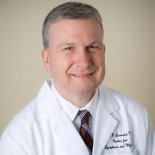
Dr. John Leonard shares his list of the 10 most interesting lymphoma-related abstracts to be presented at the 2023 meeting of the American Society of Hematology (ASH). The ASH annual meeting brings together blood cancer experts from around the world to present the most exciting research in the field. This annual special episode features an in-depth look at this year’s cutting-edge research and also features 5 “bonus” podcast-only abstract selections.
Host: John Leonard, MD, a leading hematologist and medical oncologist at Weill Cornell Medicine and NewYork-Presbyterian Hospital.

The 2023 American Society of Clinical Oncology, or ASCO, Annual Meeting brought together oncologists from around the world to share cutting-edge updates and scientific advancements. Every year, two of Weill Cornell Medicine’s top experts come together to discuss the latest research presented across both solid tumors and blood cancers as it pertains to patient care.
Guest: Manish Shah, MD, Chief of Solid Tumor Service and Director of Gastrointestinal Oncology at Weill Cornell Medicine and NewYork-Presbyterian Hospital.
Host: John Leonard, MD, a leading hematologist and medical oncologist at Weill Cornell Medicine and NewYork-Presbyterian Hospital
 Every child inherits a set of “germline” DNA from each of their biological parents. At times there are also mutations that are passed down. This differs from what are referred to as “somatic” mutations that are only present in cancer cells, but not in every cell in the body. Environmental factors can also contribute to the development of cancers. Knowing your family history and genetic makeup can help in understanding overall cancer risk, recommended screening and prevention strategies, as well as treatment approaches if diagnosed with cancer.
Guests: Ravi Sharaf, MD, MS, Director of Clinical Cancer Genetics at Weill Cornell Medicine
Host: John Leonard, MD, a leading hematologist and medical oncologist at Weill Cornell Medicine and NewYork-Presbyterian Hospital
Every child inherits a set of “germline” DNA from each of their biological parents. At times there are also mutations that are passed down. This differs from what are referred to as “somatic” mutations that are only present in cancer cells, but not in every cell in the body. Environmental factors can also contribute to the development of cancers. Knowing your family history and genetic makeup can help in understanding overall cancer risk, recommended screening and prevention strategies, as well as treatment approaches if diagnosed with cancer.
Guests: Ravi Sharaf, MD, MS, Director of Clinical Cancer Genetics at Weill Cornell Medicine
Host: John Leonard, MD, a leading hematologist and medical oncologist at Weill Cornell Medicine and NewYork-Presbyterian Hospital Nutrition plays an important role in cancer care, including helping people to navigate treatment side effects. Many people like to dish out diet advice, but for cancer patients, there are unique considerations to be mindful of before, during, and after treatment. From sipping to snacking, registered oncology dietitians provide invaluable advice and recommendations to optimize health.
 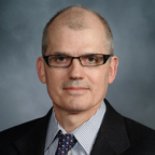 Colorectal cancer is the third most commonly diagnosed cancer in the United States with an increasing number of new diagnoses under the age of 55. Screening guidelines continue to evolve in an effort to find these cancers at an early stage. New surgical advancements are increasingly less invasive, reducing recovery times and hospital stays.
 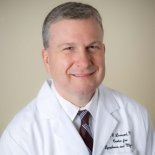 Dr. John Leonard shares his list of the 10 most interesting and impactful lymphoma and blood cancer abstracts to be presented at the 2022 meeting of the American Society of Hematology (ASH). This episode also features 5 “bonus” podcast-only abstract selections in addition to offering extra insight into one of this year’s plenary sessions.
 Lung cancer is the leading cause of cancer death, yet it receives far less research funding than other common cancers, in part due to the stigma surrounding this disease. However, smoking is not the only risk factor – many patients are diagnosed with lung cancer who have never smoked in their entire lives. Recent advancements in screening and treatment, including targeted therapies, have helped improve outcomes and quality of life.
  Breast cancer screening aims to catch breast abnormalities and cancers early, often before the onset of physical symptoms. There are many tools available including mammography, ultrasound, and MRI as well as image-assisted biopsies. Depending on cancer risk, breast density, and other variables, a combination of these may be used to detect breast malignancies and guide cancer treatment. Additionally, in the United States, radiologists have fought to ensure access to screenings via healthcare policies and insurance coverage.
 Chronic lymphocytic leukemia (CLL) accounts for about one-fourth of all new leukemia cases and diagnosis typically comes from routine bloodwork. While most cases result in a watch-and-wait strategy, understanding the underpinnings of this disease has helped advance CLL care, research and treatment.