All content for The Catholic Thing is the property of The Catholic Thing and is served directly from their servers
with no modification, redirects, or rehosting. The podcast is not affiliated with or endorsed by Podjoint in any way.
The Catholic Thing is a daily column rooted in the richest cultural tradition in the world, i.e., the concrete historical reality of Catholicism.
By Rev. Peter M.J. Stravinskas
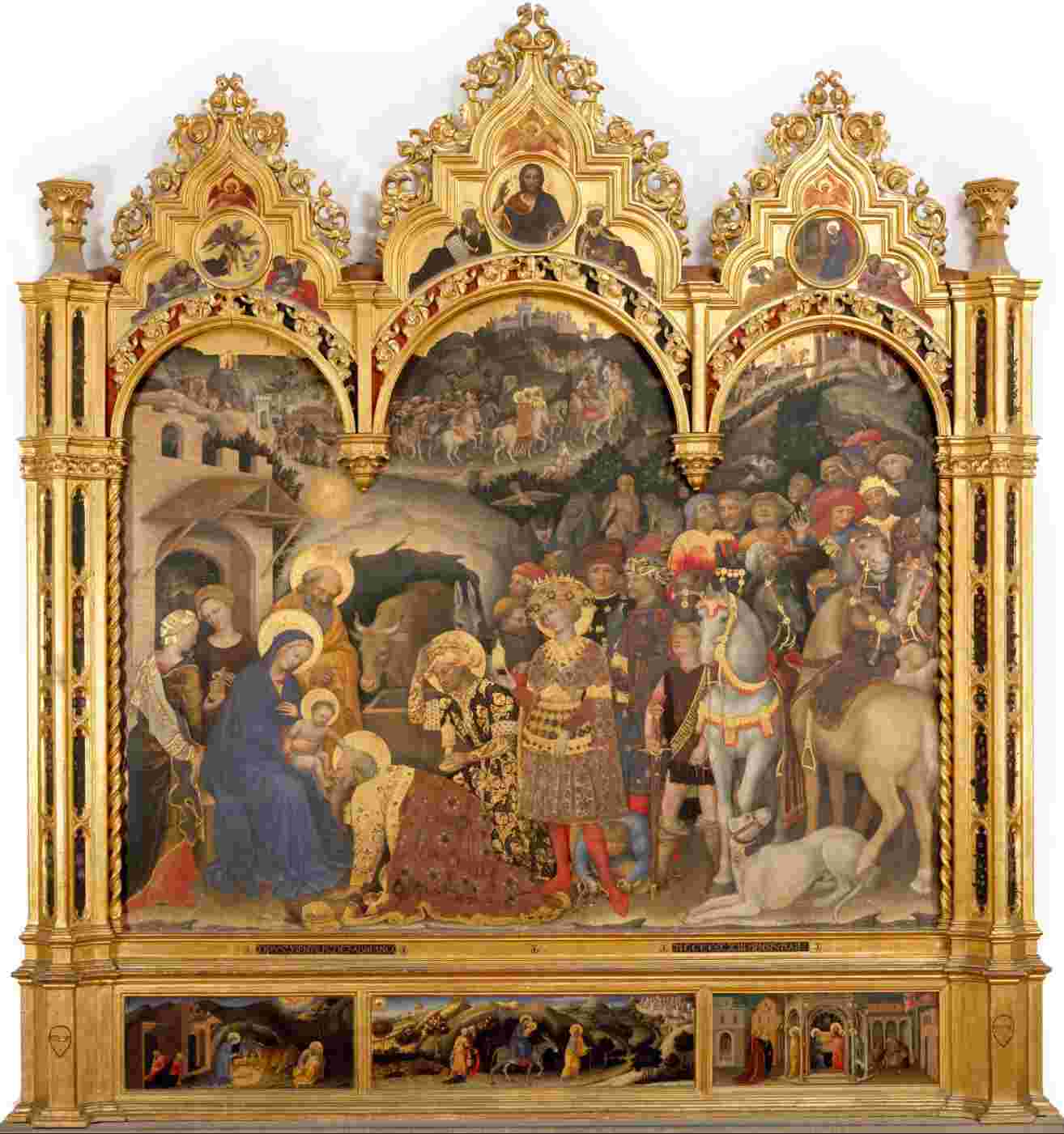
As should be obvious by now, the Solemnity of the Epiphany (celebrated in the Extraordinary Form and in all the Eastern Churches on January 6 and on January 4 in the United States this year in the Ordinary Form) is the day for the Gentiles at the Crib. Mary and Joseph represent believing Jews; Herod, stiff-necked or faithless Jews; the wise men, Gentiles with open minds and open hearts. A charming, ancient legend says that these wise men actually became the first Christian missionaries, their efforts meeting with both success and failure as they encountered both belief and unbelief among the Gentiles to whom they preached.
Surely, the point of this celebration is that "the Gentiles are now co-heirs with the Jews," but how does this happen? St. Paul gives the answer: "Through the preaching of the Gospel." If the barrier between Jew and Gentile is to be broken down, it will happen as both are brought into contact with the saving truth of Jesus Christ. That occurs through the process of evangelization, the sharing of the Good News, the Gospel. The day's solemnity, then, would have us reflect on the awesome task of evangelizing the world.
Therefore, a fundamental concern of the Church in every age must be the spread of the Gospel. For that very reason, the Fathers of the Second Vatican Council (appropriately enough), taught: "The Church on earth is by its very nature missionary" [Ad Gentes n. 2]. This truth was highlighted some years later in Pope Paul VI's landmark exhortation, Evangelii nuntiandi. It is important to keep that fact in sharp focus because it is one of the distinguishing characteristics of Catholicism.
Judaism, for instance, has no interest as such in making converts; they are not turned away, to be sure, but it is not a major thrust of that religious tradition. Nor is it so for the various Eastern religions, like Buddhism or Shintoism or Taoism. Even Eastern Orthodoxy and most of mainstream Protestantism have not had an evangelistic drive to them. What makes us different? Nothing less than taking Christ at His word in His great commission: "Go, therefore, and make disciples of all nations, baptizing them in the name of the Father, and of the Son, and of the Holy Spirit, teaching them to observe all that I have commanded you." (Matthew 28:19).
And from Epiphany's Magi to the modern missionaries, the Gospel has been shared and taken root on every continent. Thus, Germany has Boniface and Ireland Patrick. And 500 years ago, the so-called New World received the great blessing of being put into contact with the saving message of Jesus Christ through the selfless labors of dedicated clergy and religious.
Evangelization, however, is not a work of the past; nor is it the responsibility of a chosen few; nor is it restricted to what we generally consider to be "mission territories." On the contrary, evangelization is the obligation and privilege of every baptized Christian at all times and in all places. Indeed, Pope John Paul called for a "new evangelization" aimed primarily at those lands which were among the first to hear and accept the Gospel, but who have regrettably strayed from it through indifference or secularization. Certainly, this theme has been stressed at all the continental synods of the John Paul era.
In 1990, the Holy Father gave the Church the gift of an encyclical entitled Redemptoris missio, on the permanent validity of the Church's missionary mandate. Why was that encyclical needed? A look at the topics reveals the answer. Many people in the Church, through a confused and confusing form of ecumenism, had come to the position that one religion is as good as another and, therefore, that no one should attempt to bring anyone else into the Catholic Church.
Most astounding of all, however, was that many full-time missionaries had bought into that mentality, reducing themselves, their work, and the Church to mere conveyers of social services at best or political and even vio...
The Catholic Thing
The Catholic Thing is a daily column rooted in the richest cultural tradition in the world, i.e., the concrete historical reality of Catholicism.