
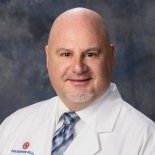
Today we are discussion advancements in treatment of vascular disease of the brain. Name some of these conditions and how they present themselves: Aneurysms: can be incidentally found or present with headache or subarachnoid hemorrhage; AVM's and AVF's usually present with seizures, hemorrhages, or focal deficits.

Menopause is the permanent cessation of menstruation, marking the end of a woman's reproductive years, and typically occurs between ages 45 and 55. It is a natural, normal transition with a phase called perimenopause, where symptoms begin gradually as hormone levels change. Common symptoms include hot flashes, vaginal dryness, and sleep disturbances, but experiencing them varies for each woman. Lifestyle changes, such as a healthy diet, regular exercise, stress management, and quitting smoking, can help manage symptoms, though some may benefit from medical treatments like hormone therapy or other options for severe symptoms, which require a doctor's consultation.

Lung cancer is the leading cause of cancer death in the United States for both men and women. Each year, more people die of lung cancer than of colon, breast, and prostate cancers combined. This is because the disease shows no symptoms until it has progressed to advanced stages when it is very difficult to treat. The good news is that advances in imaging have made it possible to detect lung cancer early on, when treatment can be highly successful.
The Eisenhower Lung Cancer Screening Program evaluates current and former smokers to determine their risk for lung cancer and provides assessment and evaluation for persons at risk for lung cancer.
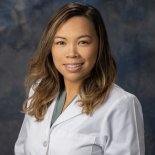
Public schools require that students get certain vaccines to attend. Let's go over which ones are needed in California Schools and what the CDC recommends.
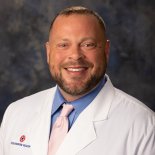
The Eisenhower Tennity Emergency Department has a collaborative and dedicated team of physicians, nurses, pharmacists, ED technicians, phlebotomists, X-ray technicians, social service workers, a concierge and 24-hour internal and external security. Eisenhower has received designation as a Level IV Trauma Center in cooperation with the Riverside County EMS Agency and has also earned bronze level accreditation from the American College of Emergency Physicians as a Geriatric Emergency Department.
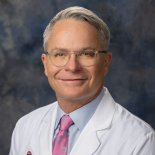
This episode explores how family medicine supports care for all ages, the benefits of residency clinics, and why it may be a great fit for your whole family.
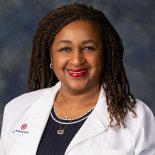
Skin cancer is very common among men and women. LaKimerly Coates, MD, a Board Certified Dermatologist, discusses signs and symptoms of skin cancer as well as how to reduce risk.
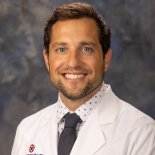
Toxicology is the study of the effects of chemical, biological, and physical agents on humans. This becomes important when someone goes to the Emergency department. Eisenhower Health’s emergency department has recently established 24/7 toxicology physician coverage, providing patients with expertise to help with rapid diagnosis of toxicology issues that may be present. Dr. Friedman discusses more about toxicology and why it’s important.
Eisenhower is the Coachella Valley’s Only Hospital To Receive Magnet® Recognition. Eisenhower Medical Center is honored to have just received Magnet recognition by the American Nurses Credentialing Center (ANCC) Magnet Recognition Program® for the third time. To date, only seven percent of the nearly 6,000 hospitals in the nation hold this prestigious designation. Eisenhower Medical Center is proud to be one of them.
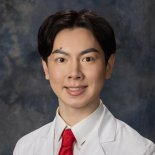
Physical Therapis Willy Quach discusses male pelvic health.
Venous Ablation is a minimally invasive office procedure to fix leaking superficial veins in the legs using radiofrequency heat.
Sepsis is a serious condition in which the body responds improperly to an infection. The infection-fighting processes turn on the body, causing the organs to work poorly. Sepsis may progress to septic shock. This is a dramatic drop in blood pressure that can damage the lungs, kidneys, liver and other organs. In this podcast, Denise Lewis shares critical information that every patient needs to know!

In this episode, Dr. Jay Bishoff leads a discussion focusing on the new advancements in the field of urology.
In this episode, Dr. Karimdad Otarodi, MD, orthopedic surgeon with Eisenhower Desert Orthopedic Center discusses rotator cuff tears, the latest treatments and some prevention tips. Dr. Otarodi specializes in shoulder surgery

An addiction to drugs or alcohol is a major challenge to overcome but treatment is available. Dr. Eduardo Javier discusses addiction medicine, the services that Eisenhower's treatment program has to offer, and more.
If you're struggling with obesity, weight loss surgery may be an option. Dr. Jorge Almodovar discusses the different bariatric surgery options available, who can possibly benefit from these surgeries, and more.
Prostate cancer is the most common cancer and the second leading cause of cancer death among men in the United States. Prostate cancer usually grows very slowly, and finding and treating it before symptoms occur may not improve men's health or help them live longer.
A surgical treatment for prostate cancer, the radical prostatectomy procedure removes the entire prostate gland. Radical prostatectomy can now be done by laparoscopic or robotic techniques. In open prostate surgery, the prostate gland is removed through a larger incision in the lower abdomen. Laparoscopic prostate surgery involves key-hole incisions which used for inserting a lighted viewing instrument (laparoscope) into the pelvic region and allows examination and removal of the prostate without a large abdominal incision.
TMS or Transcranial Magnetic Stimulation is a promising outpatient treatment option for individuals suffering from major depression where medications are working.

Learn about this new cardiac procedure that freezes instead of burns (ablation) disease tissue that causes AFIB.
Hear how clinical trials at Eisenhower Health are leading to new treatments and how your or someone you know can participate in a clinical trial.